
From Family Inspiration to Fine Details: The Story Behind Della Jewellery
From Family Inspiration to Fine Details: The Story Behind Della Jewellery. For some entrepreneurs, a business begins with an opportunity in the market. For others, it starts with a passion that eventually finds its place in the world of commerce. For Pippa de Charmoy, the creative mind behind Della, a love of beautiful design provides the foundation for a jewellery and lifestyle brand built around quality, practicality and distinctive style.
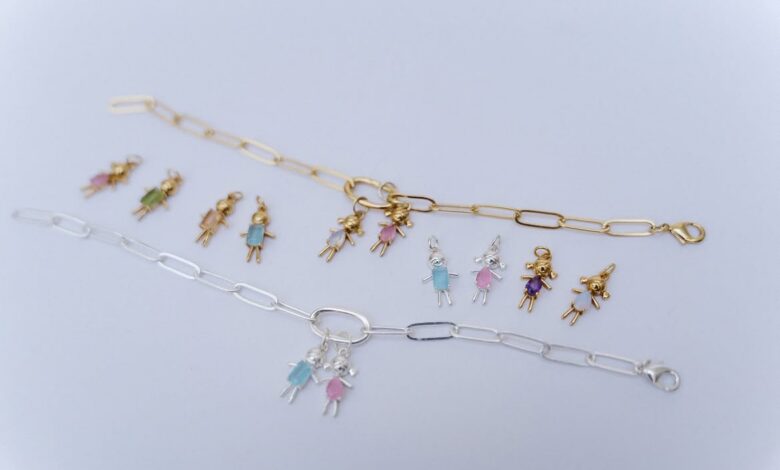
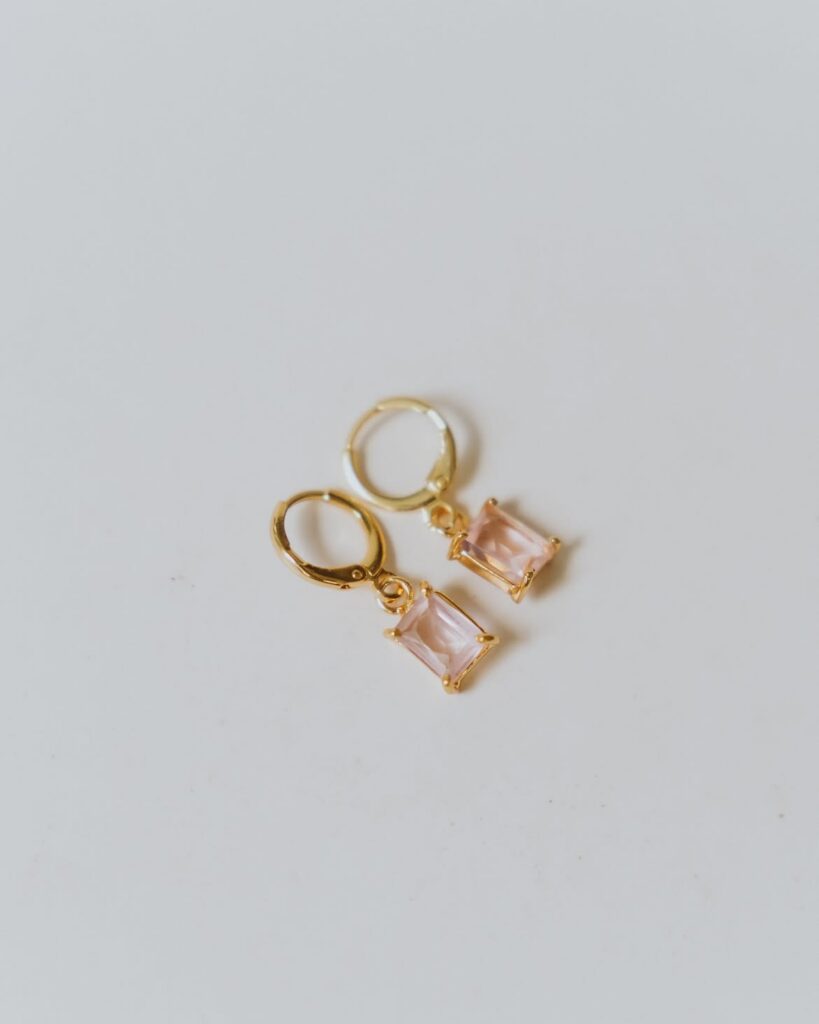
Della focuses on high-quality investment pieces that combine practical considerations with a stylish interpretation of modern jewellery. Its collections feature classic lines, semi-precious stones and fine craftsmanship, reflecting an approach that prioritises the details behind each creation.
The brand also has a personal story embedded in its name. Della combines the names of Pippa’s two daughters, Ella and Demi, giving the business a connection to her family.
This combination of creative direction, retail experience and personal meaning offers several lessons for entrepreneurs seeking to build distinctive brands. Della’s approach highlights the importance of defining a product’s identity, paying attention to quality and creating a customer experience that extends beyond the item itself.
Lesson 1: Turn Existing Industry Experience Into a Business Advantage
Pippa’s experience in the ladies’ accessory retail market provided a foundation for establishing Della as a jewellery and lifestyle business.
This background is an important part of the brand’s story because building a business requires more than an appreciation for attractive products. Entrepreneurs must also understand the market in which they intend to operate.
Experience within a retail category can provide useful familiarity with the products, customer expectations and commercial considerations associated with that market. In Della’s case, Pippa’s background in ladies’ accessories connects directly with the category in which she chose to develop her own brand.
The broader lesson for aspiring entrepreneurs is to examine the knowledge and experience they already possess before entering a market.
Previous industry exposure can help founders identify the type of business they want to build and the qualities they want their products to embody. It can also provide a starting point for developing a clearer product proposition.
However, experience alone does not guarantee success. Entrepreneurs still need to translate their knowledge into products and customer experiences that reflect a consistent business identity.
Della’s foundation demonstrates how existing retail experience can inform the development of a creative business.

Lesson 2: Build a Distinctive Identity Around Product Quality
Della’s approach centres on high-quality investment pieces, classic lines, semi-precious stones and fine craftsmanship.
Rather than defining its identity solely through changing styles, the brand focuses on creating jewellery with a distinctive appearance and an emphasis on quality.
This gives the business a clear direction for its product development. The selection of materials, the design of each piece and the craftsmanship involved all contribute to the overall character of the collection.
For entrepreneurs, the lesson is to identify the qualities that should consistently define their products. A brand becomes easier to recognise when its choices reflect a coherent identity rather than an assortment of unrelated ideas.
In the jewellery market, this can involve decisions about materials, design and finishing. In other industries, the same principle might apply to durability, functionality or the quality of manufacturing.
The important consideration is consistency between what a business promises and what it delivers.
Della’s emphasis on distinctive creations and careful craftsmanship provides an example of how product decisions can reinforce a brand’s positioning.
Entrepreneurs can apply this lesson by establishing clear standards for their products and evaluating new offerings against those standards before introducing them to customers.
Lesson 3: Make the Details Part of the Customer Experience
For Della, attention to detail extends beyond the finished jewellery.
The brand describes taking care with every stage of the process, from selecting raw materials to choosing the box in which an order is delivered. Its limited-edition pieces arrive in distinctive Della packaging, making the presentation part of the overall experience.
This approach demonstrates how businesses can consider the customer journey beyond the moment of purchase.
Packaging is a practical necessity, but it can also communicate a brand’s personality. When its presentation reflects the same care as the product inside, it helps create a consistent experience.
Della’s attention to packaging also illustrates the importance of treating seemingly small decisions as part of the wider brand identity.
For entrepreneurs, this does not necessarily mean investing in expensive packaging. The more useful starting point is to consider what customers encounter at each stage of an order, from browsing and purchasing to receiving the product.
Is the presentation consistent with the brand? Does the product arrive in a condition that reflects the expected standard? Have unnecessary complications been removed from the experience?
These questions can help businesses identify practical improvements without losing sight of their budgets.
Della’s approach shows how the details surrounding a product can contribute to the way a brand presents itself.

Lesson 4: Use Limited Editions to Define the Collection
Della’s collection consists of limited-edition pieces, giving this approach a specific place in its product offering.
For a jewellery business, limited editions provide a way to define the collection around selected designs rather than presenting every creation as part of an unlimited range.
The approach also fits the brand’s emphasis on distinctive pieces and individual design.
However, the available information does not establish how many items Della produces in each edition or whether limited availability has increased sales. The value of this lesson lies in understanding the role limited editions can play in product planning, rather than assuming a particular commercial outcome.
Entrepreneurs considering a similar approach should first understand what makes it suitable for their business.
A limited-edition strategy may be relevant when a brand prioritises selected designs, carefully managed collections or a particular creative direction. It also requires clear communication so customers understand what is being offered.
The wider lesson is that product range decisions should support the brand’s identity. Businesses do not need to introduce an extensive selection of products simply to appear established. A considered collection can provide a clearer expression of what the brand represents.
Lesson 5: Give the Brand a Story Customers Can Understand
The name Della combines the names of Pippa’s daughters, Ella and Demi. Its personal significance gives the brand an identity rooted in the founder’s family.
This detail distinguishes the name from one chosen solely for its commercial appeal. It connects the business to a meaningful part of Pippa’s life while supporting the authentic identity described in the brand’s story.
For entrepreneurs, the lesson is to consider what makes a business meaningful to its founder and how that meaning can be communicated honestly.
A compelling brand story does not require an exaggerated account of overcoming obstacles or achieving extraordinary milestones. Sometimes, its strength lies in a genuine detail that explains why the business exists in its current form.
The key is to ensure that the story connects naturally with the products and the values the business communicates.
Della’s name provides a personal foundation, while its focus on quality, craftsmanship and distinctive design gives customers a clearer understanding of the brand’s offering.
Together, these elements help explain both the personal inspiration behind the business and the product principles that shape it.
The Lasting Lessons Behind Della
Della’s story brings together creative ambition, retail experience, careful craftsmanship and personal meaning. Under Pippa de Charmoy’s direction, the jewellery and lifestyle brand focuses on investment pieces, classic design, semi-precious stones and limited-edition creations, with attention extending to the packaging in which each order arrives.
For aspiring entrepreneurs, the practical lessons are clear. Use existing experience to inform business decisions. Establish product standards that reflect the brand’s identity. Consider the complete customer experience, including details that might otherwise be overlooked. Make deliberate decisions about the collection, and communicate the story behind the business without embellishment.




