How NameBlocks Turned Wooden Blocks Into Meaningful Childhood Keepsakes
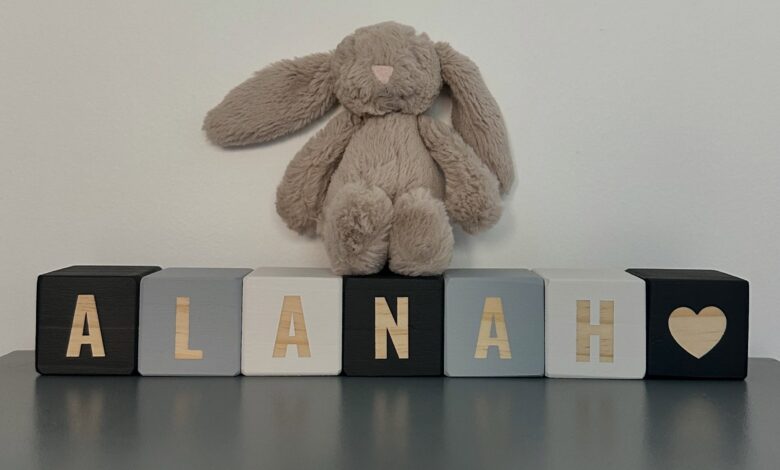
How NameBlocks Turned Wooden Blocks Into Meaningful Childhood Keepsakes. The best small businesses often begin with something personal. For Alexandra, founder of NameBlocks, that starting point was motherhood. The brand was born between nap times, snack times and cups of coffee that rarely stayed warm for long. What began as a small side project gradually developed into a creative business centred on personalised wooden blocks designed to become lasting keepsakes.
Today, NameBlocks brings together personalisation, handmade production and gifting in a product designed for some of the most memorable moments surrounding early childhood.
Every block is sanded smooth, painted by hand and wrapped in the brand’s Cape Town studio. Alexandra selects gentle, baby-friendly colours and checks every piece meticulously.
Behind the simplicity of a wooden block is a useful entrepreneurial story about finding an idea that fits naturally into your life, creating a product with emotional value and making small details part of the customer experience.
Starting with what was already around her
NameBlocks did not emerge from a traditional business launch story. It developed alongside motherhood.
Alexandra describes herself as a mom, maker and “midnight packer”, immediately placing the realities of running the business within the rhythm of family life.
That origin gives the brand an authentic foundation. The business grew from a side project rather than beginning as an abstract commercial concept.
For aspiring entrepreneurs, this highlights an important opportunity. Your existing circumstances can sometimes reveal an audience, a problem or a product category worth exploring.
Motherhood became part of the context in which Alexandra created NameBlocks, while the product itself became something designed for children and the people celebrating their arrival.
The lesson: Look closely at your own experiences. They may reveal product ideas and customer needs that you understand particularly well.
Turning a simple product into something personal
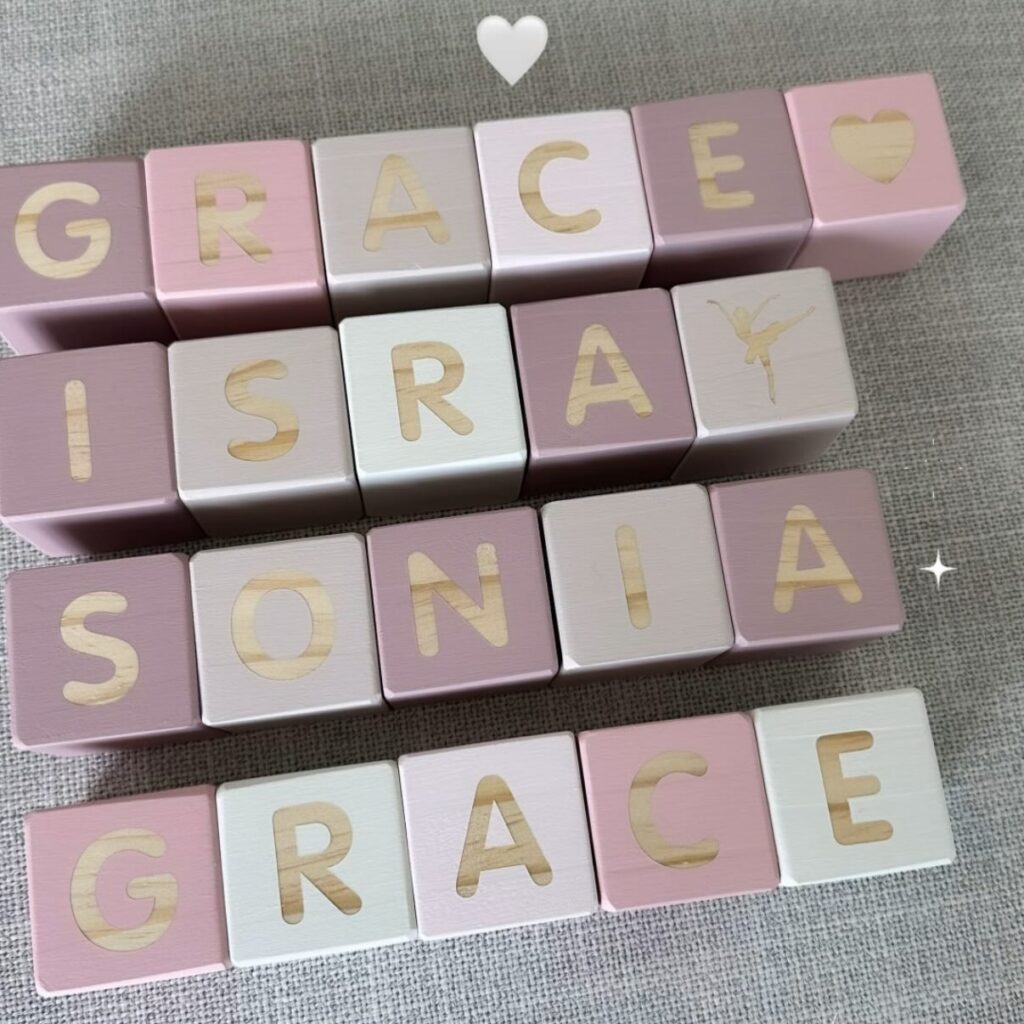
Wooden blocks are familiar childhood objects. NameBlocks gives them another layer through personalisation.
Instead of treating the blocks simply as toys, the brand creates pieces that can remain in a child’s environment long after other toys have disappeared. Alexandra describes them as personalised wooden blocks that can stay with little ones beyond the period when the toys themselves are used.
That changes the perceived role of the product.
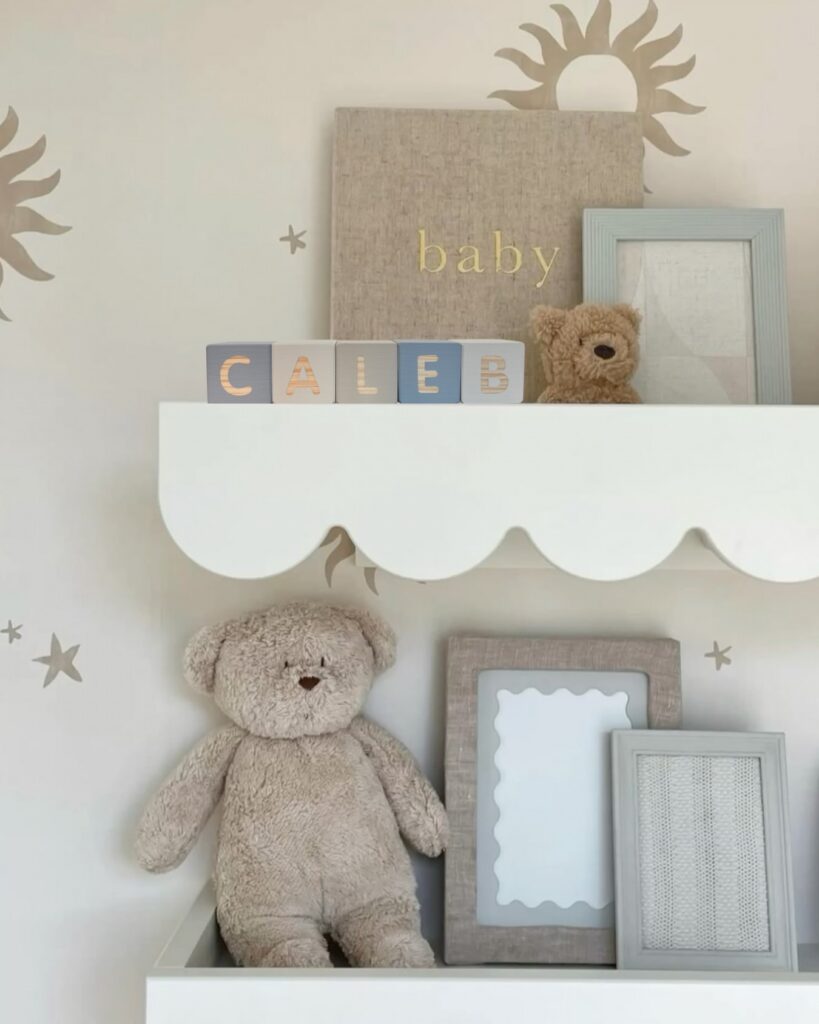
The blocks become keepsakes and nursery details, connecting them to a child’s identity and the memories surrounding their early years.
This is a powerful example of how personalisation can change the value of an otherwise straightforward product.
The lesson: Ask whether your product can become more meaningful when it reflects the individual customer. Personalisation can transform an ordinary item into something emotionally significant.
Handmade production becomes part of the value
Each NameBlocks piece is sanded smooth and painted by hand before being wrapped in the Cape Town studio.
These details are important because the handmade process is not hidden behind the finished product. It forms part of the brand’s identity.
Alexandra also says that every piece is checked meticulously. This adds another layer to the proposition: the product is not simply handmade, but carefully inspected before reaching its recipient.
For a small business, that attention to detail can become a meaningful point of differentiation. Customers are not only purchasing the finished object. They are also buying into the care represented by the process.
The lesson: If craftsmanship and quality control are genuine strengths of your business, make them visible. The process behind a product can help customers understand why it is special.
Choosing a gentle visual identity
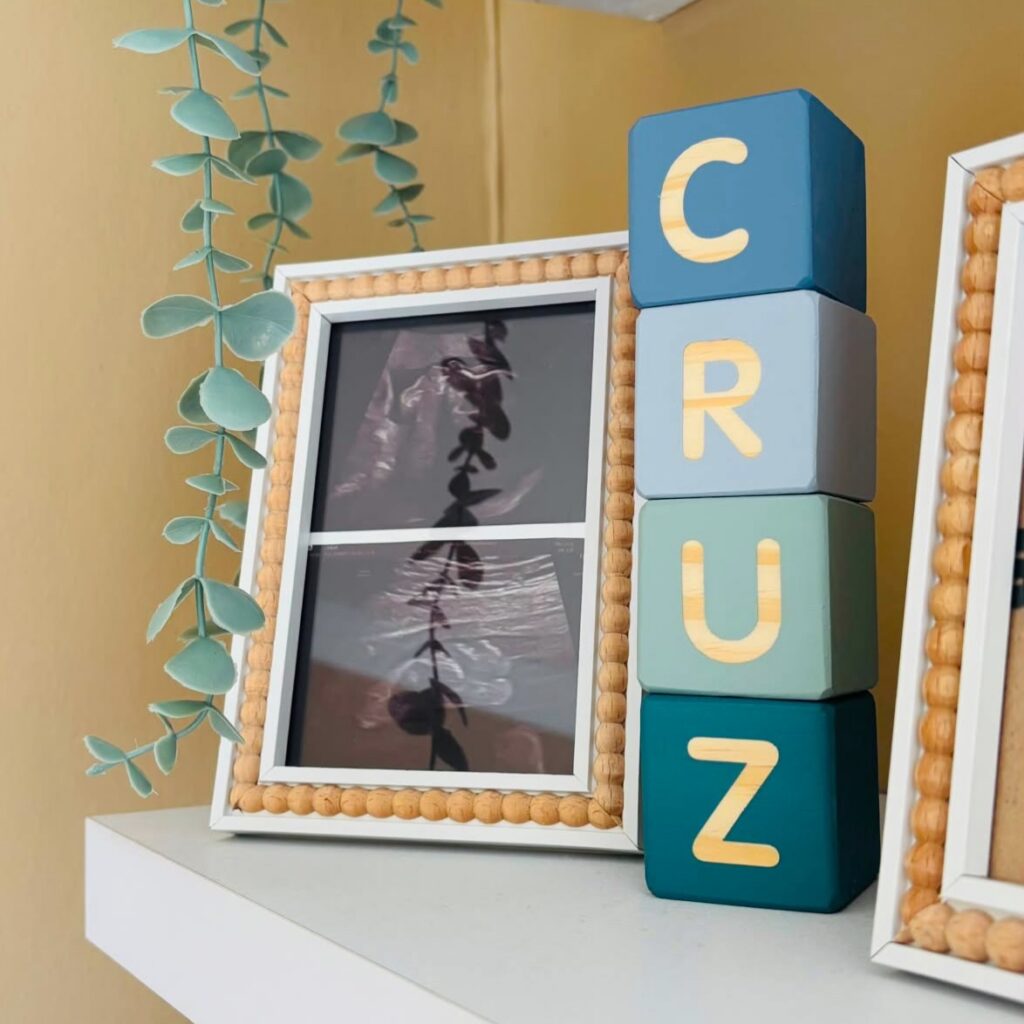
NameBlocks’ use of gentle, baby-friendly colours supports the context in which the products are intended to live.
The blocks are associated with baby showers, first birthdays, welcoming a new baby and nursery spaces. A softer aesthetic therefore fits naturally with the occasions and environments surrounding the product.
This demonstrates the importance of making design choices that reinforce the customer experience.
The colours are not described as an isolated branding decision. They are connected to the nature of the product and the people receiving it.
The lesson: Design should support the purpose of your product. Colours, materials and presentation become more powerful when they make sense within the customer’s world.
Building around meaningful gifting occasions
NameBlocks has found a clear place within gifting.
The brand describes its blocks as favourites for baby showers, first birthdays and “Welcome To The World” gifts. They are also positioned as a much-loved nursery room detail.
These occasions give the product natural contexts in which customers can discover and purchase it.
Rather than trying to make the blocks relevant to every possible occasion, NameBlocks has a clear connection to significant moments in early childhood.
For entrepreneurs, this is an important marketing lesson. A product can become easier to position when its ideal occasions are clearly defined.
The lesson: Identify the moments when your product makes the most sense. Occasion-based positioning can give customers a clear reason to buy and can simplify marketing communication.
The personal touch extends beyond the product
The brand’s personal approach does not end with the blocks themselves.
Alexandra describes the business as a small, mom-run studio and directly thanks customers for supporting it. That creates a sense of connection between the maker and the people purchasing the products.
For a small creative business, this relationship can become part of the overall customer experience.
The customer knows there is a person behind the product, making, checking and wrapping each order.
The lesson: Small businesses can turn their size into an advantage by showing the human side of the operation. Authentic founder stories can help customers understand the care behind what they are buying.
The bigger lesson from NameBlocks
NameBlocks demonstrates how a simple product can become a meaningful brand when the business understands what customers value beyond functionality.
The blocks are personalised. They are sanded smooth and painted by hand. They use gentle, baby-friendly colours. Each piece is meticulously checked and wrapped in a Cape Town studio.
But perhaps the most important element is what the product represents.
A personalised block can mark the arrival of a child, become part of a nursery and remain as a keepsake after other childhood toys have been forgotten.
That gives NameBlocks a clear emotional proposition.
For aspiring entrepreneurs, the story offers a practical reminder that successful products do not always need to be complicated. Sometimes the opportunity lies in taking a familiar object and giving it greater personal meaning.
Start with something you understand. Make it carefully. Give customers a reason to care about it. Then build the experience around the moments when it matters most.
For Alexandra, what began between nap times and lukewarm coffee became a mom-run studio creating personalised pieces for some of childhood’s earliest milestones.
The blocks may be small.
The memories attached to them can be much bigger.