
Madala Bags: How Craftsmanship Became the Heart of a Handmade Brand
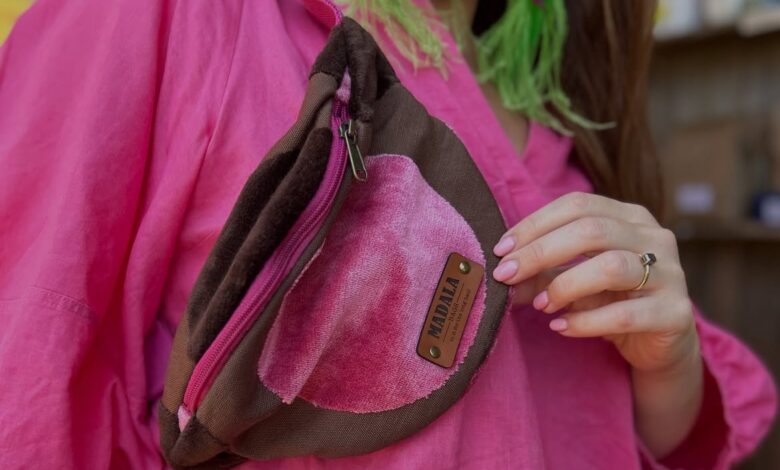
Madala Bags: How Craftsmanship Became the Heart of a Handmade Brand. A creative idea can remain a thought for years. The difference comes when that idea moves from imagination to something people can see, touch and use. For Madala Bags, that journey happens through a combination of creative thinking, pattern making, skilled craftsmanship and hands-on production.
Based in Hermanus, a seaside village in South Africa’s Western Cape, Madala Bags brings together Natalie and John to create bags shaped by an artisanal approach to making. At the centre of the brand is John, known as Madala, whose experience as a machinist and pattern maker gives the products their distinctive character.
The story offers useful lessons for entrepreneurs about turning creativity into a tangible product while keeping craftsmanship at the centre of the brand.
Start With the Power of an Idea
Madala Bags begins with a simple but important belief: it is wonderful when ideas manifest into reality.
That process is central to the brand. Creative thoughts and inspirations are developed into actual patterns, which then move through the stages of cutting, making and trimming at the Madala Bags workshop.
There is an important entrepreneurial lesson in this process. Ideas become commercially meaningful when they can be translated into something tangible.
For product-based businesses, creativity therefore needs a pathway from concept to finished item. At Madala Bags, that pathway is visible in the movement from drawing board to pattern and eventually to a completed bag.
Entrepreneurs can apply the same principle by creating a clear process for turning their ideas into products customers can experience.
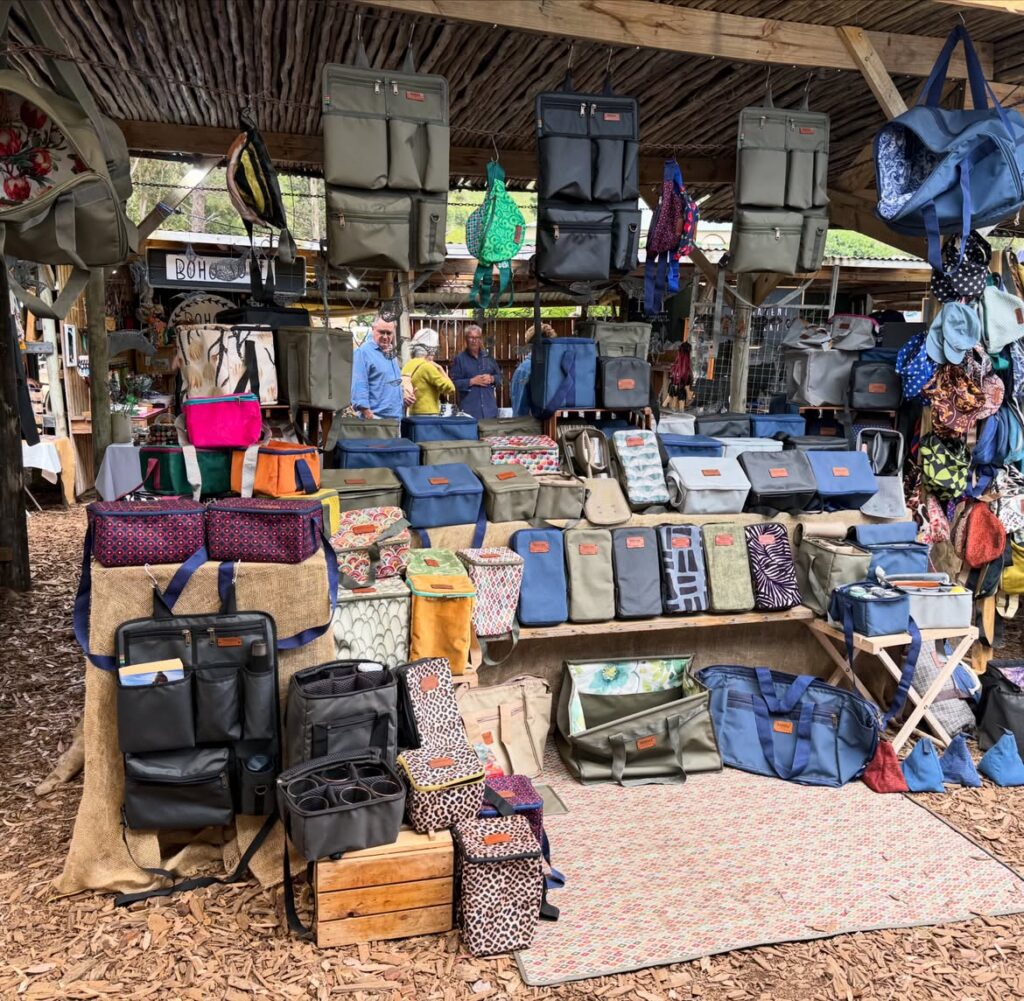
Let Expertise Shape the Product
The relationship between Natalie and John is an important part of the Madala Bags story.
While the brand brings their work together, John provides a specific technical skill set. He is described as an experienced machinist and pattern maker, with his expertise playing a central role in how the bags are produced.
Pattern making is particularly important because it connects an initial design concept with the physical structure of the finished product.
For entrepreneurs, this demonstrates why specialised skills matter. A strong idea may provide the starting point, but experience and technical knowledge help turn that idea into a finished product.
Rather than treating craftsmanship as something separate from the brand, Madala Bags places it at the heart of its identity.
Make the Maker Part of the Story
The name Madala is directly connected to the person behind the craftsmanship. John is known to those around him as Madala, and the brand was inspired by its “wonderful fabricator”.
This gives the business a human element. Customers are not presented with an anonymous manufacturing process. The story points directly to the person whose skills contribute to the final product.
That is a valuable branding lesson for small businesses. When a product is handmade or shaped by specialist expertise, the person behind that work can become part of the story.
This does not require exaggerated claims. Simply explaining who makes the product and what expertise they bring can give customers a clearer understanding of what makes the item distinctive.
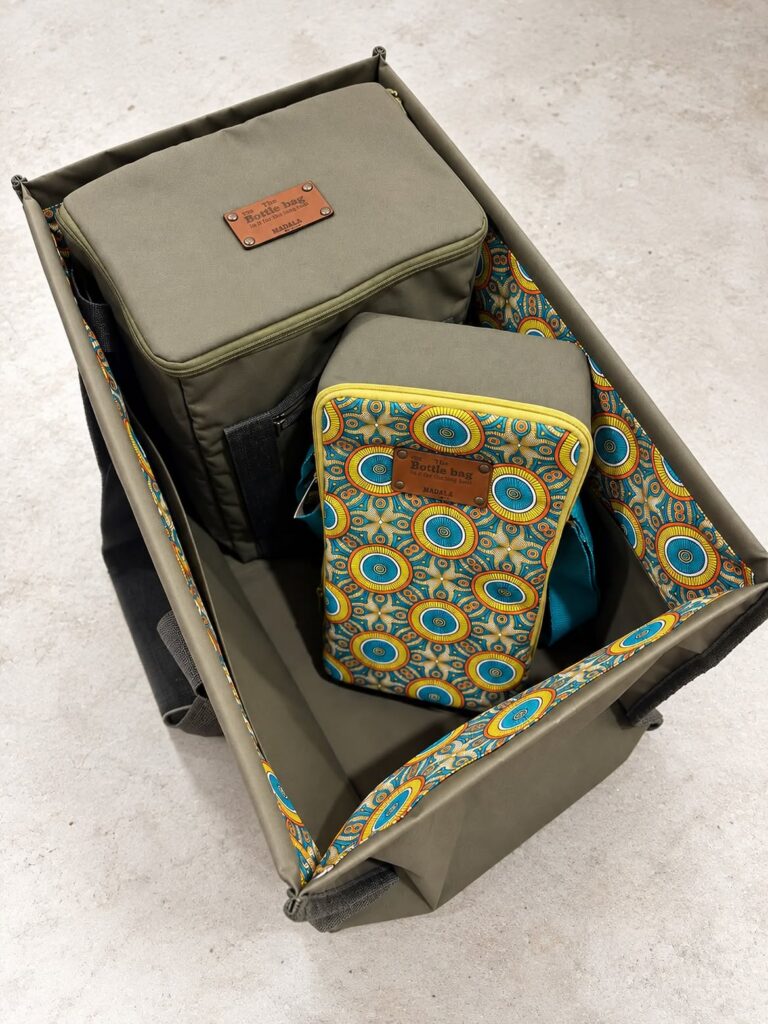
Build Around an Artisanal Strength
Every Madala Bag is made in the heart of Hermanus, giving the brand a specific place within its identity.
The location is not presented simply as an address. It forms part of the story of how the bags are created, with production taking place in a workshop in a South African seaside village.
John’s work also gives the bags what the brand describes as a unique and artisanal quality.
For entrepreneurs, the lesson is to identify the strengths that genuinely distinguish a business. If skilled craftsmanship is central to the product, it should be communicated clearly rather than hidden behind generic branding.
A brand becomes more memorable when its story reflects what actually happens behind the scenes.
Keep the Journey From Design to Product Visible
Madala Bags provides a straightforward example of how transparency around making can strengthen a product story.
The process moves through drawing, cutting, making and trimming, all within the workshop. This creates a clear connection between creative inspiration and finished product.
For aspiring entrepreneurs, that process can provide useful marketing material. Showing how something is made can help customers understand the work behind the final product and appreciate the skills involved.
The broader lesson from Madala Bags is that a business does not always need an elaborate story to create a distinctive identity. Sometimes the strongest story is already present in the work itself.
The Lesson Behind Madala Bags
Madala Bags shows how creativity can become a tangible business when ideas are supported by skilled execution. Natalie and John bring together creative inspiration and technical expertise, while John’s work as a machinist and pattern maker gives each bag its artisanal character.
For entrepreneurs, the practical lessons are clear: create a process that turns ideas into products, value specialist expertise, make the people behind the product visible and communicate genuine points of difference.




