Nika Atelier Turns Handmade Ceramics Into Objects With Meaning
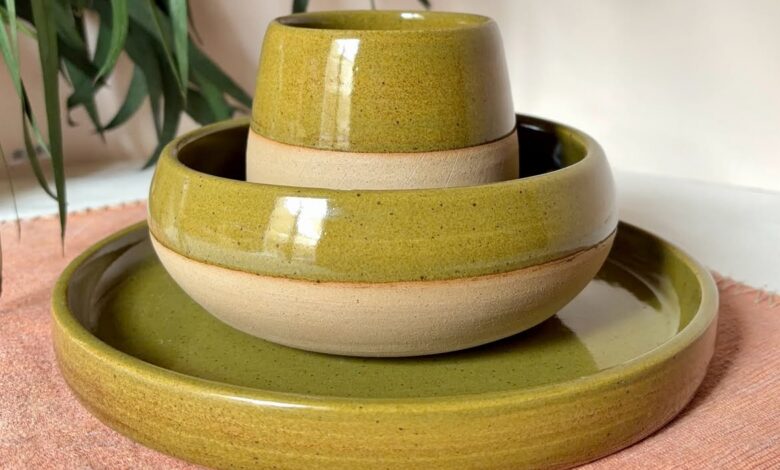
Nika Atelier Turns Handmade Ceramics Into Objects With Meaning. Nika Atelier began with a desire to create objects that feel deeply human. At its centre is a simple idea: the things we surround ourselves with can influence how we feel. Founded by South African ceramic and multimedia artist Tanika Pietersen, Nika Atelier grew from a creative exploration of texture, form and storytelling through clay. With a background in multimedia design and a lifelong connection to art, Pietersen found ceramics through its tactile and grounding nature.
That starting point gives the studio a clear identity. Nika Atelier is not positioned simply as a ceramics brand. It sits at the intersection of art, design and intentional living, creating contemporary ceramic homeware and sculptural objects that are designed to be both functional and expressive.
The journey offers valuable lessons for creative entrepreneurs about building a recognisable identity, drawing from personal experience and turning artistic interests into a focused brand.
Starting With a Genuine Creative Exploration
The foundation of Nika Atelier was not built around a single product. It began as an exploration of texture, form and storytelling through clay.
Pietersen’s background helps explain that direction. She completed a degree in Multimedia Visual Arts at Unisa and has more than eight years of experience in the creative industry. Her experience across design and multimedia art has contributed to a refined approach to aesthetics, composition and craftsmanship.
Her move into ceramics came from an appreciation for tactile artistry and the meditative process of making objects by hand.
For creative entrepreneurs, this provides an important lesson. A strong brand can emerge when different areas of experience are brought together rather than treated as separate skills. Existing knowledge can become a foundation for exploring a new medium.
Turning Everyday Objects Into Experiences
Nika Atelier’s work goes beyond the basic function of an object.
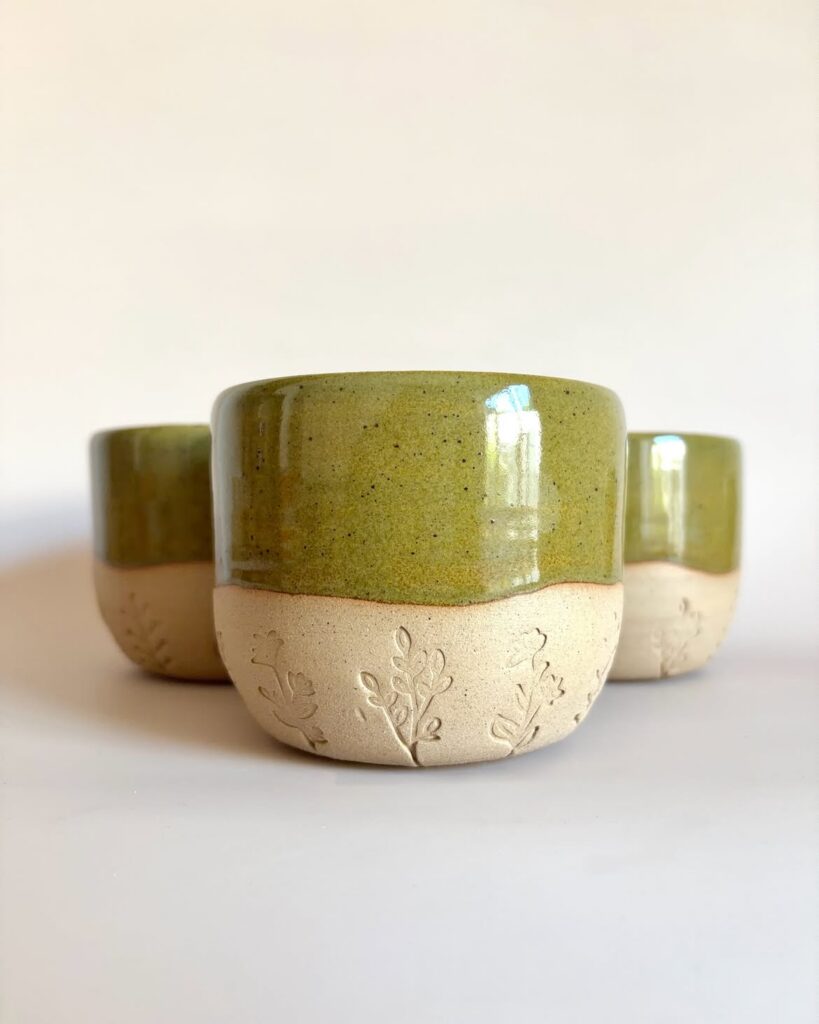
The studio’s philosophy is that a handmade mug can turn an ordinary morning into a quiet ritual, while a sculptural vessel can introduce softness and character into a space. In this approach, art is not limited to decoration. It can become part of everyday moments.
This gives the brand a distinctive storytelling opportunity.
Instead of focusing only on what an object is, Nika Atelier considers what that object can represent within someone’s surroundings and routine.
The lesson for entrepreneurs is to look beyond a product’s basic function. Understanding how customers experience a product can reveal a deeper story that strengthens the way it is presented.
Making Imperfection Part of the Identity
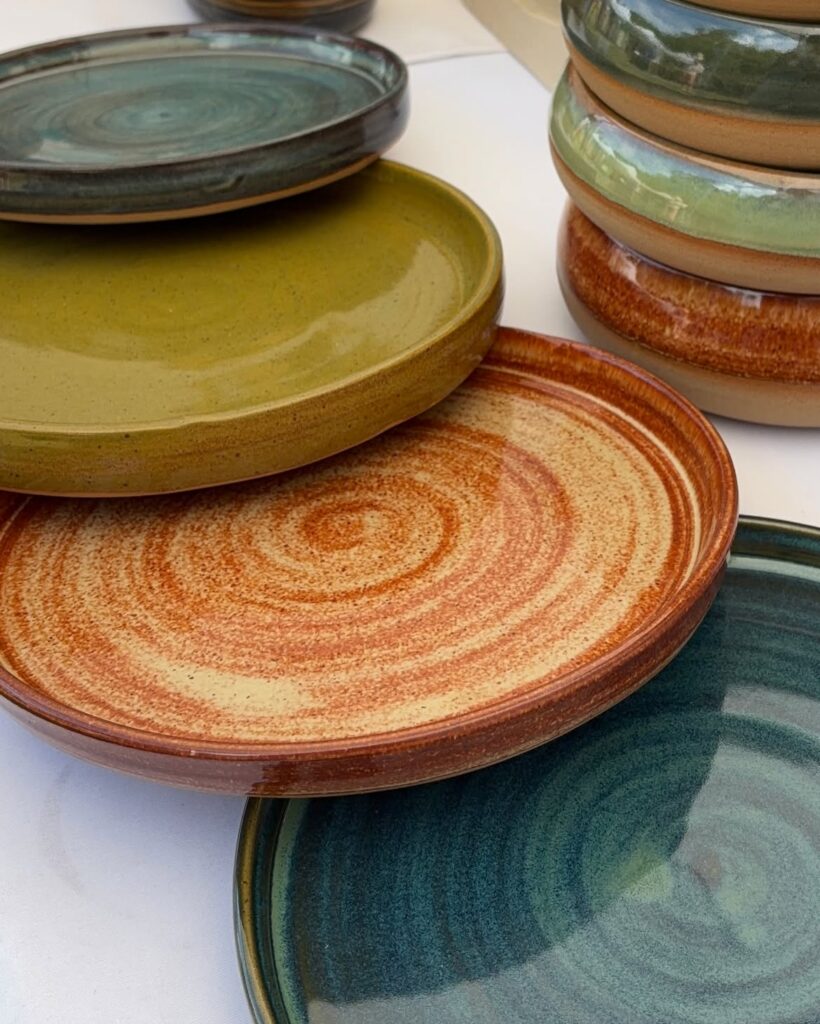
One of Nika Atelier’s defining characteristics is its embrace of handmade variation.
The collections are created with an emphasis on tactile beauty and thoughtful imperfection. Subtle variations are treated as an expression of the handmade process, meaning individual pieces are unique.
This approach aligns with the studio’s influence from Wabi-Sabi, alongside Japandi, Scandinavian, Modern Organic, Contemporary and Mediterranean styles.
For Nika Atelier, imperfection is therefore not something to hide. It forms part of the visual and philosophical character of the work.
That creates a useful lesson for product-based entrepreneurs. Not every difference between handmade products needs to be presented as a flaw. When variation is a genuine consequence of the production process, it can become part of the product’s identity.
Building a Visual Language From Diverse Influences
Nika Atelier draws inspiration from natural textures, contemporary minimalism, fibre art and the emotional landscapes of inner life.
Its aesthetic is also influenced by several design traditions and styles, including Japandi, Scandinavia, Wabi-Sabi, Modern Organic, Contemporary and Mediterranean roots.
Rather than reducing the brand to one aesthetic label, these influences contribute to a broader visual language centred on texture, warmth, simplicity and character.
For entrepreneurs, the lesson is to understand the difference between inspiration and imitation. Drawing from multiple influences can help establish a distinctive creative direction when those influences are interpreted through the creator’s own perspective.
Connecting Art With Inner Worlds
Pietersen’s artistic philosophy adds another layer to the Nika Atelier identity.
Her work explores form, texture and storytelling while connecting these elements with symbolism and psychology. She is particularly drawn to psychoanalytic themes, the divine feminine, the relationship between the conscious and subconscious, and the exploration of inner worlds.
These ideas influence how emotions and narratives are translated into tangible forms.
The result is a practice where functional objects can also carry an expressive dimension. Vessels, mugs, sculptures and lighting pieces can balance usefulness with artistic expression.
This offers an important lesson for creative businesses: a clear philosophy can help connect different products under one recognisable identity.
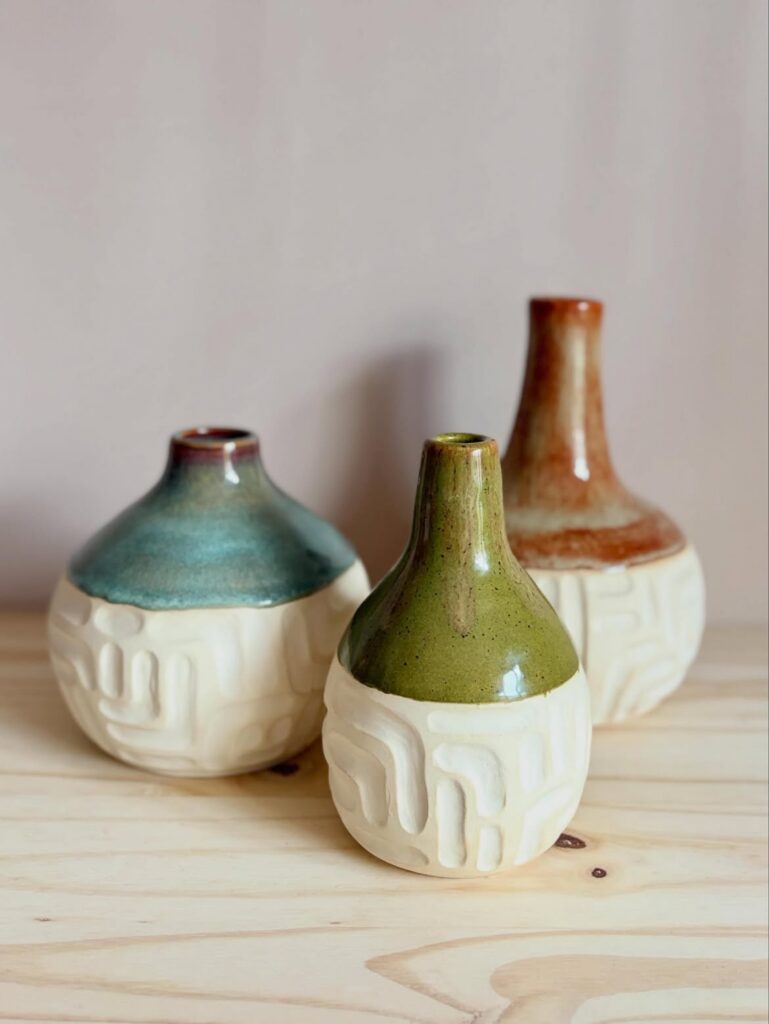
Creating Across Function and Sculpture
Nika Atelier’s offering includes small-batch vessels and tableware as well as mixed-media sculptural pieces. Pietersen also creates mugs, sculptures and lighting pieces.
This range reflects the studio’s willingness to work across both utilitarian and artistic forms.
The common thread is not simply the category of product. It is the emphasis on craftsmanship, experimentation, tactile beauty and soulful design.
For entrepreneurs, this demonstrates the value of identifying the principle that connects different offerings. A business can evolve its products without losing its identity when there is a clear foundation underneath them.
The Lessons Behind Nika Atelier
The Nika Atelier story shows how a creative brand can be shaped by the founder’s experience, artistic philosophy and approach to materials.
Start with genuine curiosity. Build on existing skills. Let the production process influence the identity of the product. Develop a clear visual language and give customers a reason to understand the object beyond its basic function.
Most importantly, Nika Atelier demonstrates the potential of giving everyday objects emotional meaning.
Its ceramics are shaped by hand, influenced by natural textures and contemporary design, and connected to ideas of curiosity, introspection and intentional living.
For aspiring creative entrepreneurs, the lesson is not to manufacture a story around a product. It is to find the story that is already present in the work and communicate it clearly.