Rue Leather Goods Is Building a Different Kind of Luxury: One Designed to Age With You
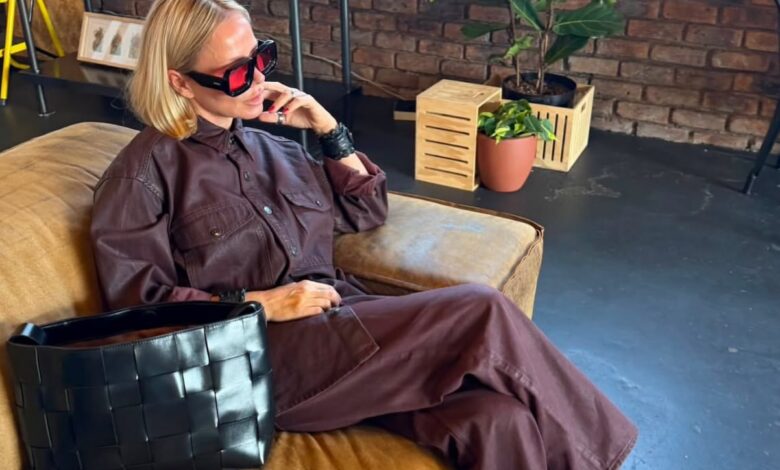
Rue Leather Goods Is Building a Different Kind of Luxury: One Designed to Age With You. Rue Leather Goods did not begin with a desire to make another bag. It began with frustration. The founder had become tired of searching for beautiful, high-quality bags that could last a lifetime, only to encounter PU leather instead. That experience became the starting point for Rue, a brand created around a different idea: premium leather goods should not simply look good when they are new. They should become better and more personal with time.
That philosophy shapes almost everything Rue says about its products. The brand focuses on materials selected for how they age, full-grain leathers that soften, surfaces that deepen in colour and edges that show the evidence of use.
For entrepreneurs, the story offers a useful lesson in turning dissatisfaction into an opportunity. A frustration can become the foundation of a business when it points towards a problem that the founder genuinely wants to solve.
Building a Brand Around the Problem
The starting point for Rue was clear. The founder wanted beautiful, high-quality bags that would last, but found PU leather instead.
Rather than treating that frustration as simply a purchasing problem, Rue turned it into a product philosophy. The brand set out to create premium leather goods designed to age gracefully.
This gives Rue a defined position. The focus is not simply on producing leather products. It is on creating pieces where longevity is part of the reason for their existence.
That is an important lesson for aspiring entrepreneurs. When developing a business, identify the frustration behind the idea. What disappointed you? What were you unable to find? What would you have wanted instead?
Those questions can help transform a personal problem into a clear business proposition.
Making Material Choice Part of the Value
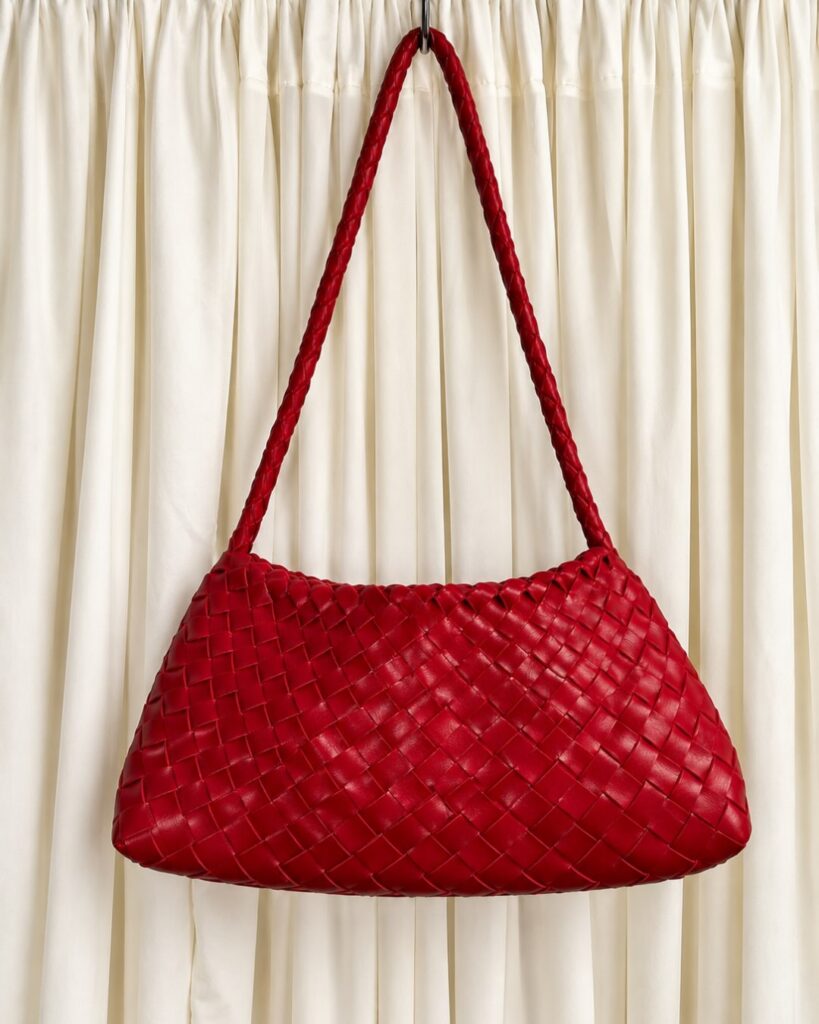
Rue’s approach places significant emphasis on materials.
The brand says each piece is made from materials selected for how they age, rather than simply how they appear at first glance. Full-grain leathers soften with time, while surfaces deepen in colour and edges develop signs of use.
That changes the way the product is presented. The effects of time are not described as deterioration. They are part of the intended character of the product.
For a brand, this creates an opportunity to explain quality in concrete terms. Instead of simply saying that a product is premium, Rue connects that positioning to specific material characteristics and the way those materials change over time.
The lesson is valuable beyond leather goods. Entrepreneurs should look for tangible evidence behind claims such as quality, durability or craftsmanship. Specific details can make a brand’s proposition easier for customers to understand.
Designing for Longevity Instead of Trends
Rue also takes a deliberate approach to design. The brand says its silhouettes must remain relevant and its forms should settle into a customer’s life without demanding attention.
That philosophy places longevity at the centre of the design process.
Rather than building the identity around constant change, Rue focuses on pieces intended to remain relevant. The design is meant to become familiar rather than disposable.
This offers another lesson for entrepreneurs. A product does not necessarily need to chase every trend to remain desirable. A clear understanding of the intended lifespan of a product can influence decisions about design, materials and positioning.
For Rue, the idea of lasting value extends beyond the physical construction. The design itself is expected to have staying power.
Turning Products Into Personal Objects
Perhaps the most distinctive part of Rue’s story is what happens after a product leaves the brand.
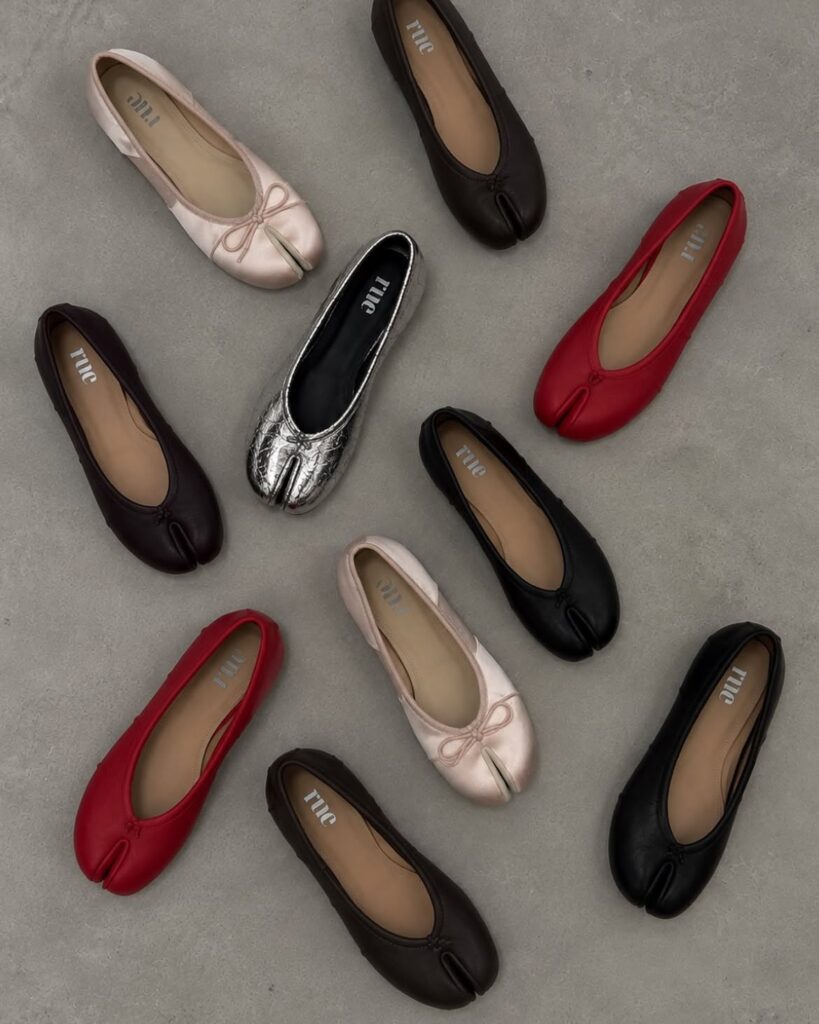
Rue imagines its pieces becoming familiar through everyday use. They hold routines, movement and transitions. Over time, the product becomes personal and potentially irreplaceable.
This is where the brand moves from selling an object to communicating an emotional relationship with that object.
That is a powerful marketing lesson. Entrepreneurs can ask what their products become in the customer’s life after the purchase. A product might solve a practical problem, but repeated use can give it meaning.
Rue builds its storytelling around that progression. A new leather piece starts as a product. Through use, it becomes familiar. Eventually, the brand says, it can become an heirloom.
Making Purpose Part of the Mission
Rue’s mission is captured in the phrase “Designed to Last. Crafted with Purpose.”
The brand says every piece is thoughtfully designed with durability, timeless style and everyday functionality at its core. Its commitment to craftsmanship is presented as something that goes beyond making products. The aim is to create goods that become part of a customer’s story and age beautifully with them.
This gives the brand a consistent connection between its stated mission and product philosophy.
For entrepreneurs, consistency matters. A mission becomes more meaningful when it can be seen in the decisions a business makes. In Rue’s case, longevity, materials, design and functionality are all connected to the stated goal of creating products that stand the test of time.
The Opportunity in Making Things Last
Rue’s story demonstrates how a business can find an opportunity by challenging an experience that feels unsatisfactory.
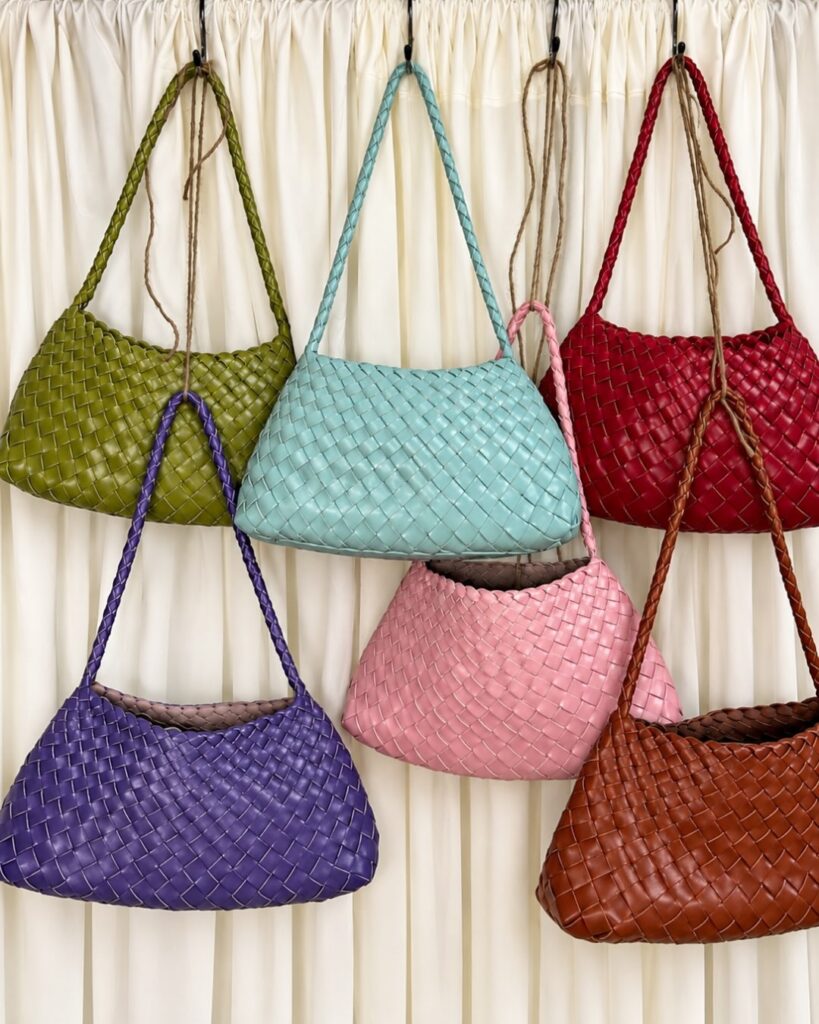
The founder’s frustration with PU leather led to a focus on premium leather goods. The choice of materials became part of the value proposition. Design became centred on longevity. And the story surrounding the products focuses on how they can become personal through years of use.
For aspiring entrepreneurs, the practical lesson is to look closely at the gap between what customers want and what they are finding. That gap can reveal an opportunity.
But identifying the gap is only the beginning. A brand needs a clear response to it. Rue’s response is expressed through materials, design, functionality and a commitment to products intended to last.
The Lessons Behind Rue Leather Goods
The Rue Leather Goods story shows how a strong brand can grow from a simple but specific frustration.
Start with a genuine problem. Define what a better alternative would look like. Make the product’s distinctive qualities tangible. Build the design around the purpose rather than adding a story afterwards. Most importantly, ensure the brand’s messaging reflects the actual product philosophy.
Rue does not frame ageing as something a leather product should avoid. It makes ageing part of the story.
That idea gives the brand a distinctive foundation. Its products are designed not only for the moment they are purchased, but for the routines, movement and experiences that follow.