
How Mobicel Challenged Global Smartphone Giants: The Business Lessons Behind Ridhwan Khan’s Homegrown Success

How Mobicel Challenged Global Smartphone Giants: The Business Lessons Behind Ridhwan Khan’s Homegrown Success. Breaking into the smartphone industry is one of the toughest challenges an entrepreneur can attempt. The market is dominated by global technology giants with enormous research budgets, worldwide distribution networks, and decades of brand recognition. Yet in 2007, Limpopo-born entrepreneur Ridhwan Khan decided to build something different. He introduced Mobicel, a South African smartphone brand that would go on to establish itself in one of the country’s most competitive consumer markets.
What makes Mobicel’s story remarkable is not simply that it entered the smartphone industry. It is that the brand secured distribution through some of South Africa’s largest retailers and, according to the information provided, has sold more units than the iPhone in South Africa since its launch.
For entrepreneurs, Mobicel’s journey demonstrates that competing with global brands is possible when a business understands its market, builds strong partnerships, and remains focused on execution.
Seeing Opportunity Where Others Saw Impossible Competition
Most entrepreneurs would hesitate before entering a market dominated by international companies.
Ridhwan Khan chose a different path.
Rather than avoiding the smartphone industry because of its complexity, he founded Mobicel in 2007. Launching a local smartphone brand required confidence, long term thinking, and the willingness to compete against businesses with significantly greater resources.
The first lesson from Mobicel’s story is that industries dominated by large companies are not necessarily closed to newcomers. Entrepreneurs who identify underserved opportunities and execute effectively can still establish meaningful positions within competitive markets.
Success often belongs to businesses willing to challenge assumptions.
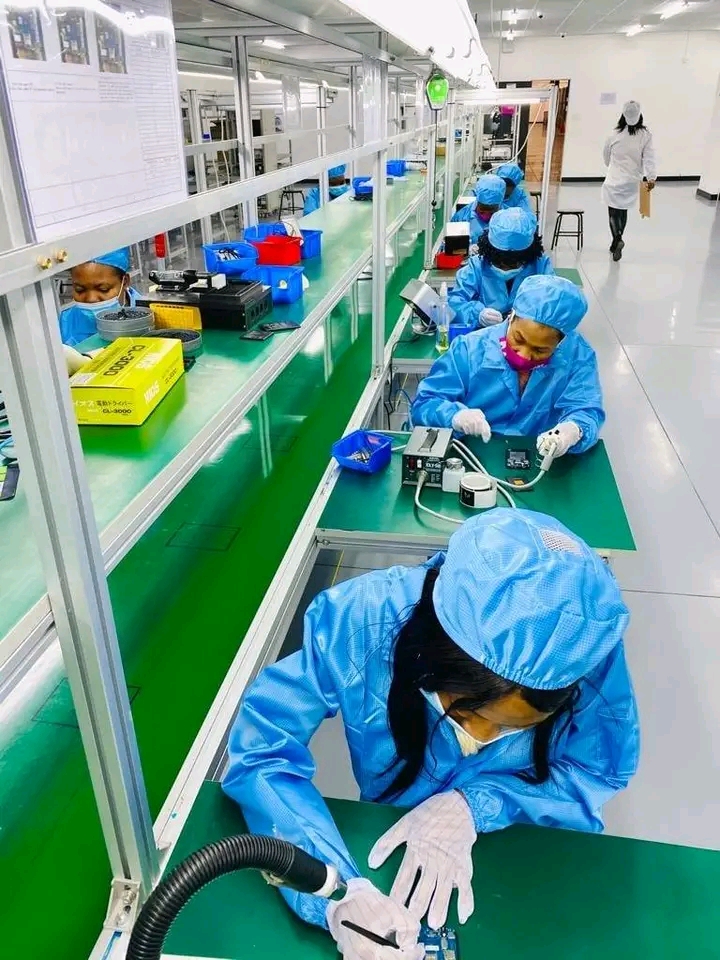
Building a Proudly South African Technology Brand
One of Mobicel’s strongest differentiators has been its identity as a South African smartphone brand.
In an industry where many products originate from global manufacturers, Mobicel created an opportunity for consumers to support a homegrown technology company.
For entrepreneurs, this highlights the value of building a brand with a clear identity.
Customers often connect with businesses that reflect their own communities, understand local markets, and offer products that feel relevant to their everyday lives. A distinctive brand identity can become a significant competitive advantage even in crowded industries.
Distribution Became a Powerful Growth Strategy
Creating a great product is only part of building a successful business.
Customers must also be able to find it.
One of Mobicel’s major turning points came through securing multimillion rand contracts with leading South African retailers and businesses, including Pep, Pep Cell, Ackermans, Takealot, Mr Price, Game, and Bash.
These partnerships dramatically expanded the brand’s visibility and accessibility.
Instead of relying on a limited number of sales channels, Mobicel positioned its products where millions of South Africans already shop.
This demonstrates an important entrepreneurial lesson.
Strategic distribution partnerships can accelerate growth far more effectively than relying solely on direct sales. Building relationships with established retail networks allows businesses to reach larger audiences while strengthening customer confidence.

Competing Through Market Understanding
Large international companies often design products for global markets.
Local businesses have an important advantage.
They understand the needs, shopping habits, and purchasing preferences of local consumers.
While the information provided does not specify Mobicel’s product strategy, its strong retail presence suggests a deliberate focus on serving South African customers through accessible distribution.
Entrepreneurs should remember that understanding customer behavior often creates opportunities that competitors may overlook.
Businesses that remain closely connected to their target audience are better positioned to make informed decisions about products, pricing, and customer experience.
Long Term Commitment Drives Sustainable Growth
Launching a business is only the beginning.
Remaining competitive over many years requires consistency.
Since its founding in 2007, Mobicel has continued operating within one of the fastest changing technology industries in the world.
Consumer electronics evolve rapidly, making long term sustainability particularly challenging.
The company’s continued presence demonstrates the importance of building a business capable of adapting while remaining committed to its original vision.
Entrepreneurs should understand that sustainable businesses are rarely built through short bursts of success. They grow through continuous improvement and long term commitment.
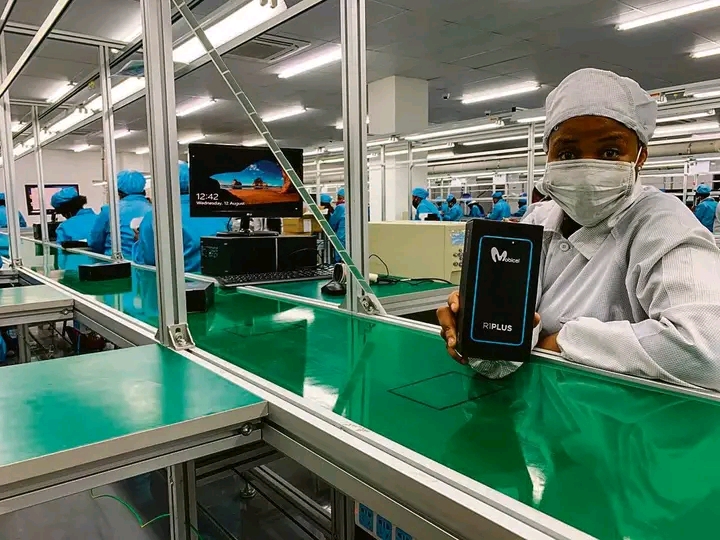
Building Credibility Through Major Business Relationships
Securing contracts with nationally recognized retailers does more than increase sales opportunities.
It also strengthens credibility.
When established companies choose to stock a product, customers often view that as an additional signal of trust.
For Mobicel, relationships with retailers such as Pep, Ackermans, Takealot, Mr Price, Game, Bash, and Pep Cell significantly expanded the brand’s reach while reinforcing its position within the market.
Aspiring entrepreneurs should never underestimate the importance of strategic business relationships. Strong partnerships can accelerate both reputation and growth.
Believing That Local Innovation Can Compete
Perhaps the greatest lesson from Mobicel’s journey is one of confidence.
Many entrepreneurs assume groundbreaking technology businesses can only emerge from global innovation hubs.
Ridhwan Khan’s decision to establish a South African smartphone brand demonstrates a different perspective.
Innovation is not limited by geography.
Entrepreneurs who identify opportunities, solve genuine customer problems, and execute consistently can build businesses that compete alongside internationally recognized brands.
Confidence, however, must always be supported by disciplined execution, strong partnerships, and an understanding of customer needs.
Lessons Entrepreneurs Can Learn from Mobicel
Mobicel’s business journey offers several practical lessons for entrepreneurs across industries:
- Do not be intimidated by industries dominated by global competitors.
- Build a brand with a clear and authentic identity.
- Prioritize strong distribution partnerships that increase accessibility.
- Stay closely connected to the needs of your target market.
- Focus on long term consistency rather than short term success.
- Develop credibility through trusted business relationships.
- Believe that local innovation can compete on a national scale.
Mobicel’s story illustrates what can happen when ambition is matched with execution. From its founding in 2007 by Limpopo-born entrepreneur Ridhwan Khan to securing multimillion rand retail partnerships across South Africa, the brand has demonstrated that local businesses can compete in industries often viewed as inaccessible. For aspiring entrepreneurs, the journey serves as a reminder that success is not determined by the size of your competitors, but by your willingness to identify opportunities, build meaningful partnerships, and remain committed to your vision over the long term.