Mother of Gao: The Purpose-Driven Design Lessons Behind a Brand Built to Last
Mother of Gao: The Purpose-Driven Design Lessons Behind a Brand Built to Last. Motherhood can change the way a person sees the world. For Katlego Mokwana, becoming a mother also changed the way she thought about design, consumption and the responsibility that comes with creating products. That shift became the foundation for Mother of Gao, a brand built around a simple belief: the things people choose to live with should be made with intention.
Rather than responding to constant consumption and fleeting trends, Mother of Gao focuses on timeless essentials designed to be useful, beautiful and enduring. Its offering spans clothing, accessories and lifestyle objects, combining functionality with playful design.
The brand’s approach provides valuable lessons for entrepreneurs about building a purpose-led business, making responsible production part of the product itself and creating a brand story that has a genuine personal connection.
A Daughter’s Name Became a Brand’s Foundation
The story behind Mother of Gao begins with its name.
Katlego Mokwana named the brand after her daughter, Gaopaleloe, who is affectionately known as Gao. The name means “one who is not defeated”, representing resilience, strength and hope.
Those ideas are not simply attached to the brand’s name. Mother of Gao says they are woven into its foundation and influence the way its products are conceived.
This provides an important lesson in brand building. A name becomes more powerful when it has an authentic story behind it.
For entrepreneurs, personal meaning can provide a strong foundation, but it needs to connect naturally with what the business actually does. In Mother of Gao’s case, the values represented by Gao’s name align with the brand’s emphasis on longevity, care and future generations.
Turning a Personal Transformation Into a Business Philosophy
Mother of Gao’s purpose is closely connected to Mokwana’s experience of becoming a mother.
She describes motherhood as transforming the way she thinks about design and the impact of the things people create. That experience challenged her to build a brand focused on quality over quantity and to consider not only how products are made, but also the legacy they leave behind.
This is a useful lesson for entrepreneurs who want to build purpose into their businesses.
Purpose is most convincing when it emerges from a genuine reason for doing something differently. Rather than adding a purpose statement after the business has been established, Mother of Gao has made its philosophy central to the product development process.
The result is a brand where the founder’s personal motivation and commercial proposition are closely connected.
Choosing Longevity Over Fleeting Trends
At the centre of Mother of Gao’s proposition is longevity.
The brand creates timeless essentials rather than focusing on short-lived trends. Its products are designed to become lasting companions rather than temporary possessions.
That approach creates a clear contrast with constant consumption.
For entrepreneurs, this demonstrates the value of taking a deliberate position in an industry. A business does not necessarily have to follow the dominant model within its category.
Mother of Gao has chosen to emphasise enduring products, giving longevity a role in both its design philosophy and its communication.
The practical lesson is to identify a principle that genuinely differentiates the business and apply it consistently. A strong position should influence what a company creates, how it creates it and how it communicates with customers.
Responsible Production Becomes Part of the Product
Mother of Gao’s commitment to responsible production is visible in its design and manufacturing approach.
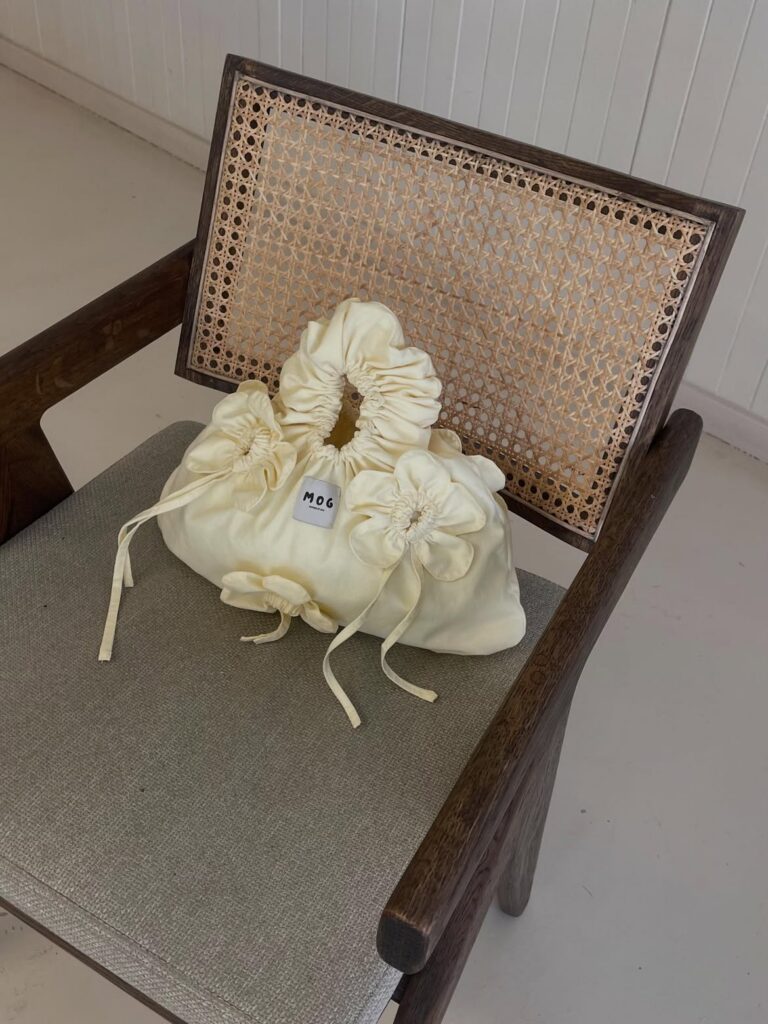
The brand uses organic materials, natural dye techniques, zero-waste design principles and small-batch manufacturing wherever possible.
These are not presented as separate initiatives. They form part of the way the brand approaches product creation.
For entrepreneurs, this offers an important lesson about responsible business. Customers are increasingly exposed to broad sustainability claims, so specific practices can communicate a brand’s approach more effectively than vague statements.
Mother of Gao identifies particular methods within its production process, giving its philosophy a practical dimension.
The lesson is simple: if responsibility is part of your brand promise, identify the actual decisions that demonstrate it.
Small-Batch Manufacturing Supports the Brand Philosophy
The use of small-batch manufacturing also fits naturally with Mother of Gao’s emphasis on considered consumption.
Producing in small batches can support a product strategy centred on intentional design rather than constant volume.
For Mother of Gao, this sits alongside organic materials, natural dyes and zero-waste design principles.
For entrepreneurs, the broader lesson is to make sure operational choices support brand positioning.
A company cannot effectively communicate quality, intention and responsible production if its internal processes contradict those ideas. The strongest brands create alignment between what they say and what they do.

Combining Function With Playful Design
Mother of Gao is not defined only by its responsible production practices.
The brand creates clothing, accessories and lifestyle objects that balance functionality with playful design.
That balance is important because purpose-driven products still need to be desirable and useful.
Functionality gives an item a practical role, while playful design creates personality.
For entrepreneurs, this demonstrates that responsible products do not have to sacrifice creativity. Values such as longevity and conscious production can coexist with distinctive design.
The lesson is to avoid treating purpose and product appeal as competing priorities. A successful proposition needs both a reason to exist and a product customers genuinely want to use.
Building a Lifestyle Rather Than Selling Individual Items
Mother of Gao’s vision extends beyond individual products.
The brand encourages a slower, more considered way of living. It believes the things people bring into their lives should be useful, beautiful and enduring.
That philosophy allows its clothing, accessories and lifestyle objects to exist within a broader way of living.
For entrepreneurs, this provides an interesting branding lesson. A company can sometimes create stronger connections by articulating the lifestyle or values surrounding its products rather than focusing only on individual features.
The important distinction is authenticity. The broader lifestyle message needs to be supported by the actual products and practices of the business.
Thinking About the Customer Beyond Today
Future generations are another important part of Mother of Gao’s philosophy.
The brand says its products are made with future generations in mind. That idea connects its emphasis on longevity with its approach to responsible production.
This creates a longer-term perspective on product creation.
For entrepreneurs, the lesson is to consider the lifespan of what the business creates. Asking how long something should remain useful, how it is produced and what happens beyond the initial purchase can lead to more thoughtful decisions.
The Bigger Lesson Behind Mother of Gao
Mother of Gao’s story begins with motherhood but develops into a broader philosophy about design and consumption.
Founded by Katlego Mokwana, the brand brings together clothing, accessories and lifestyle objects with a focus on functionality, playful design, longevity and responsible production.
Its use of organic materials, natural dye techniques, zero-waste design principles and small-batch manufacturing reinforces that philosophy.
For aspiring entrepreneurs, the lessons are practical. Build from a genuine belief. Let personal experiences inform the business without losing sight of the customer. Make your values visible through actual production decisions. Prioritise quality when it supports the proposition. And ensure that your brand story connects naturally with what you sell.
Mother of Gao shows what can happen when a founder asks a bigger question about the products she creates: not simply whether they can be made, but whether they are worth making.