Terminal Three: How a Search for Better Travel Bags Inspired a Lifestyle Brand
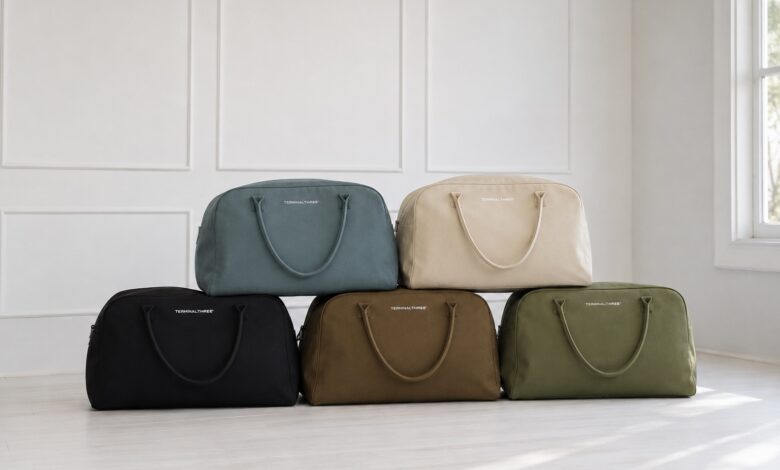
Terminal Three: How a Search for Better Travel Bags Inspired a Lifestyle Brand. Finding a travel bag that looks good is one thing. Finding one that offers enough space, works practically and still looks stylish after a journey is another. It was this particular frustration that inspired the creation of Terminal Three, a travel essentials brand built around the belief that functionality and aesthetics should go hand in hand.
The idea began with Heike, who struggled to find bags that provided sufficient space without compromising on style. Rather than accepting the limitations of the options available to her, she began exploring the possibility of creating something better.
With the support of her husband, Ryno, and her brother, Heinrich, the idea developed into a shared vision. Terminal Three was born from a straightforward objective: to create travel bags that combine generous capacity, everyday functionality and understated design.
For aspiring entrepreneurs, the starting point offers an important lesson. A business opportunity does not always emerge from identifying an entirely new market. Sometimes it comes from recognising an existing product category where the available options do not meet a particular need.
Heike’s experience provided a clear starting point because she understood the frustration personally. That gave the original idea a practical purpose rather than making it a product concept built around appearance alone.
Building a Brand Around Two Essential Product Qualities
Terminal Three’s central philosophy is captured in its belief that travel bags should be as functional as they are aesthetic. This balance is important because it defines what the brand wants its products to deliver.
On one side is functionality. The bags are designed with generous capacity and everyday practicality, acknowledging that travellers need space for the belongings they carry. On the other is understated style, ensuring that the products retain a considered appearance rather than treating design as secondary to utility.
The brand describes its travel essentials as being made for journeys that matter, with the intention of helping customers carry more, go further and arrive looking as good as they did at departure.
This positioning gives Terminal Three a recognisable product philosophy. Instead of focusing on a long list of unrelated features, it connects its offering to a specific customer expectation: a travel bag should make the journey easier without requiring the owner to compromise on appearance.
For entrepreneurs, the lesson is to identify the qualities that matter most to the customer and make them central to the product strategy. A business becomes easier to understand when its value proposition addresses a clear need.

The Strength of a Shared Founding Vision
Another defining part of Terminal Three’s origins is the involvement of three family members. Heike’s initial idea received support from her husband, Ryno, and her brother, Heinrich, turning an individual frustration into a shared business vision.
This is an important part of the brand’s founding story because it shows how an idea can develop through collaboration. While Heike identified the original product opportunity, the support of Ryno and Heinrich helped turn that idea into the foundation of Terminal Three.
For entrepreneurs, collaboration can be valuable when developing a business from an early concept. Different perspectives can help shape an idea, challenge assumptions and contribute to the work required to establish a product offering.
However, a shared vision also needs clarity. People involved in a business should understand what the brand is trying to achieve and what standards its products must meet.
Terminal Three’s stated direction provides that common reference point: travel essentials that combine space, functionality and understated style.
Why Product Design Is Central to the Marketing Strategy
For a brand built around physical products, design is not simply an aesthetic consideration. It is part of the value being communicated to customers.
Terminal Three’s approach places the practical and visual qualities of its bags at the centre of its identity. Generous capacity addresses the need for space, everyday functionality speaks to usability, and understated style establishes the desired appearance.
These elements create a coherent marketing message because each one connects to the original problem that inspired the business.
This offers a practical lesson for product-based entrepreneurs. Marketing should not promise qualities that exist separately from the product. Instead, the strongest product messages are rooted in features and benefits that customers can understand and experience.
For Terminal Three, the opportunity lies in communicating how its design philosophy addresses the tension between carrying what is needed and maintaining a polished appearance.
A clear product story also makes it easier to maintain consistency across brand descriptions, product presentations and customer communication.

Creating a Travel Brand With Everyday Relevance
Terminal Three describes its offering as thoughtfully designed travel essentials. This wording gives the brand room to position its products around the broader experience of travelling rather than limiting the conversation to the appearance of individual bags.
The emphasis on everyday functionality also matters. It suggests that practicality is considered alongside the demands of travel, rather than being treated as a feature relevant only at departure or arrival.
The brand’s message, “carry more, go further and arrive looking just as good as you did at departure”, brings these priorities together in a memorable way.
For entrepreneurs, this illustrates the value of communicating a product through the experience it is designed to support. Customers do not always buy an item simply because of its specifications. They also consider how it fits into their routines and activities.
A travel bag, for example, needs to accommodate belongings while remaining convenient to use and visually appealing. Explaining that relationship gives customers a more meaningful reason to consider the product.
Lessons From Terminal Three for Aspiring Entrepreneurs
Terminal Three’s founding story offers several practical lessons for people looking to build a product-based business.
First, pay attention to everyday frustrations. Heike’s difficulty finding a spacious yet stylish travel bag revealed a product opportunity she could relate to personally.
Second, establish a clear product philosophy. Terminal Three’s focus on functionality, generous capacity and understated style gives the brand a consistent direction.
Third, use collaboration constructively. The involvement of Ryno and Heinrich helped turn an individual idea into a shared vision.
Finally, make sure the brand promise is reflected in the product itself. A business that emphasises functionality and aesthetics must consider both when developing its offering.
The available information does not detail Terminal Three’s sales performance, retail partnerships, manufacturing process or geographical expansion. Its development is therefore best examined through its founding motivation and the design principles behind its products, rather than unsupported claims about commercial growth.
A Clear Idea Behind Every Journey
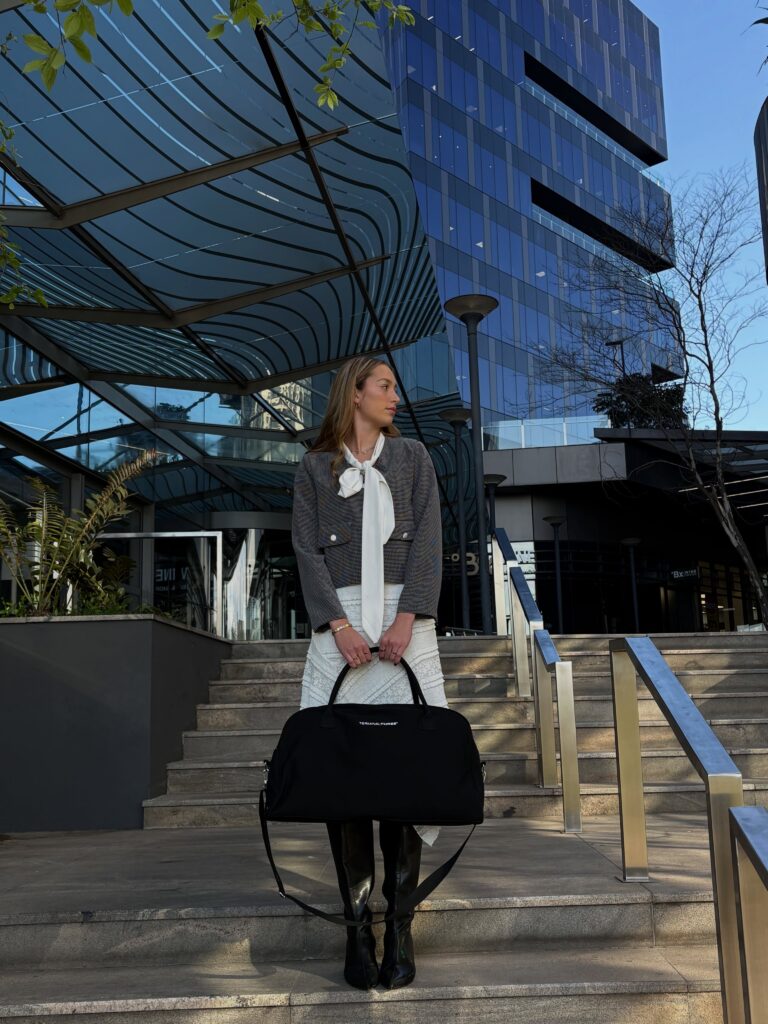
Terminal Three began with a simple observation: travel bags should not force people to choose between practicality and appearance. Heike’s search for a better option became the starting point for a brand developed alongside Ryno and Heinrich.
Its identity remains centred on thoughtfully designed travel essentials that offer generous capacity, everyday functionality and understated style.
For aspiring entrepreneurs, the story demonstrates the importance of understanding a customer problem before developing a product. A clear need can provide direction, while a consistent design philosophy can help translate that need into a recognisable brand.
Terminal Three’s proposition is straightforward, but that is precisely what gives its founding story direction. It is built around improving an everyday travel essential by bringing together two qualities that customers should not have to sacrifice: useful design and good looks.