Lanolab Skincare: How a Sporting Need Grew Into an All-in-One Skincare Brand
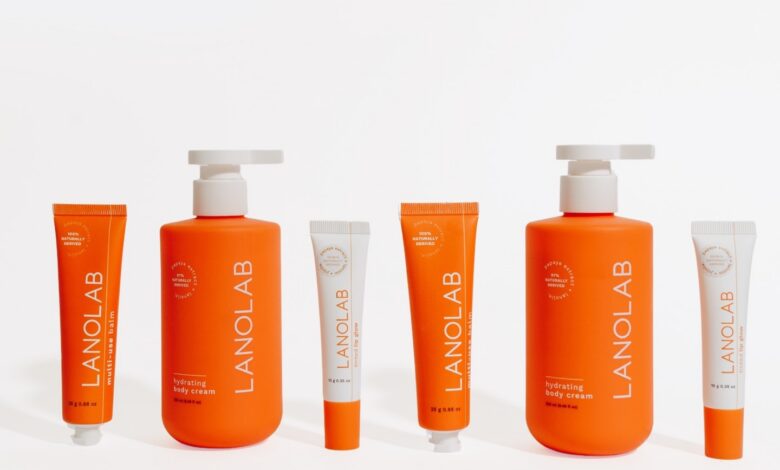
Lanolab Skincare: How a Sporting Need Grew Into an All-in-One Skincare Brand. The idea behind Lanolab Skincare did not begin with a plan to develop an extensive beauty range. It started with a practical problem: finding a balm that could protect and soothe skin exposed to demanding outdoor conditions.
In 2014, the founders were looking for a product that could help their husband deal with chapped and dry lips, grazes, chafing and sunburn while participating in multi-day sporting events. The changing conditions of South African summers and winters made the search particularly relevant. They wanted one dependable product that could address several common skin complaints without relying on multiple specialised solutions.
Unable to find a suitable locally manufactured option, they decided to develop their own. Working with a pharmacist, they formulated a balm designed to offer versatile skin care using a natural approach.
That decision became the starting point for Lanolab.
For aspiring entrepreneurs, the first lesson is found in the problem itself. The founders were not simply looking for an idea to commercialise. They had a specific need, understood the circumstances in which it arose and recognised that the available local options did not meet their requirements.
This is a useful way to approach product development: identify a genuine problem, understand what an effective solution would need to do, and investigate whether existing products already meet that need.
Working With a Pharmacist to Turn an Idea Into a Formula
Recognising a product opportunity was only the beginning. Creating a balm that could address different skin concerns required formulation knowledge beyond identifying desirable ingredients.
The founders teamed up with a pharmacist to develop the product, bringing professional expertise into the process. This collaboration was an important step in turning a personal requirement into a formulated skincare product.
It also highlights a practical lesson for entrepreneurs: knowing what customers need and knowing how to manufacture a product that meets those needs are two different challenges.
A founder may understand the problem better than anyone, but specialist input can be essential when developing products that require technical knowledge. Working with someone who has the relevant expertise can help bridge the gap between an idea and a usable product.
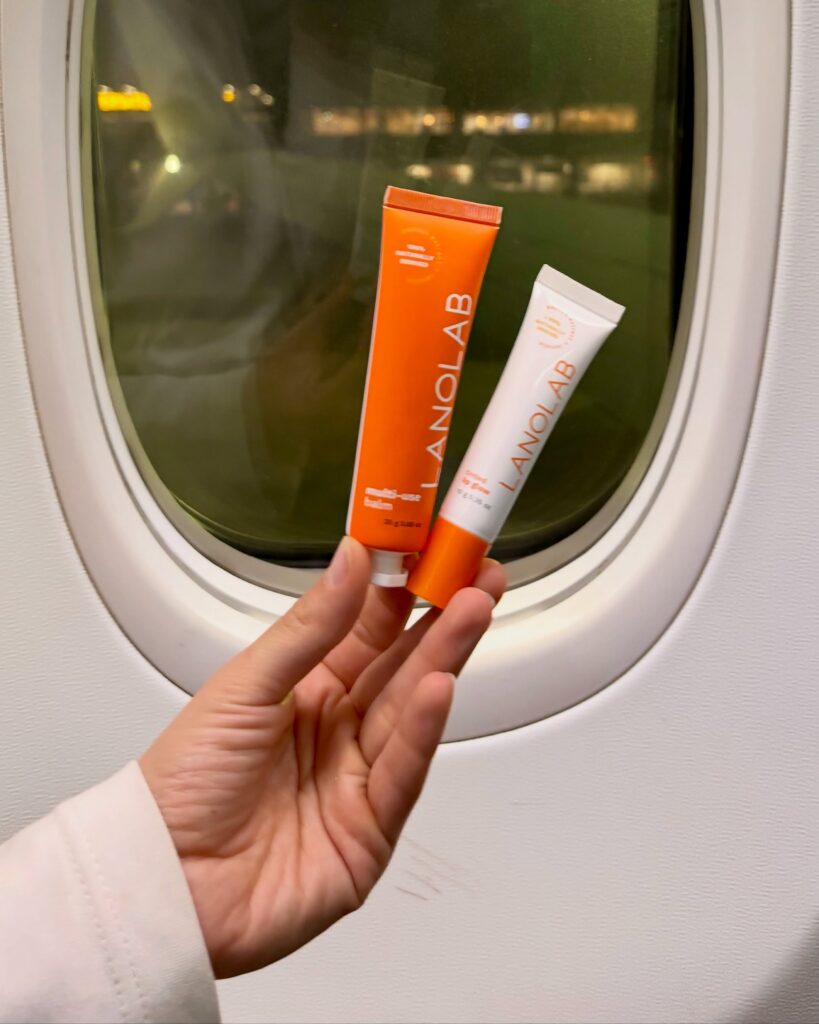
For Lanolab, the collaboration helped establish the foundation of its multi-purpose balm. The original brief was specific, covering issues such as chafing after running, saddle sores and sunburnt lips. The resulting product was intended to be useful beyond a single sporting activity.
From the Garage to an ISO-Approved Manufacturing Facility
One of the clearest milestones in Lanolab’s story is its progression from garage-based beginnings to manufacturing in an ISO-approved facility.
This transition represents an important development in the brand’s production journey. What began as a response to a household need became a product manufactured in a dedicated facility.
The move also offers a valuable lesson for small business owners. Developing a product and establishing a process for manufacturing it are separate stages of building a business. A product that begins on a small scale may eventually require a different production environment as the business develops.
Entrepreneurs should therefore think beyond the first successful batch. They need to consider how production can be maintained, what expertise is required and what standards the manufacturing process must meet.
Lanolab’s move to an ISO-approved facility is a documented milestone, although the available information does not specify the certification standard or the precise production changes involved. The broader lesson is to recognise when the original way of making a product needs to evolve to support its continued manufacture.
Making Versatility the Centre of the Brand
Lanolab’s defining proposition is simplicity through versatility. Rather than presenting its balm as a product for one narrow purpose, the brand positions it as an all-in-one skincare solution.
Its intended uses extend from dry lips and cracked heels to baby care, alongside skin concerns such as chafing, grazes and sunburn. This broad positioning reflects the original motivation behind the product: finding one balm that could serve different needs.
The strategy gives customers a straightforward reason to consider the product. Instead of navigating a complicated collection of specialised solutions, they are introduced to a multi-functional option designed to fit into different parts of everyday life.
For entrepreneurs, this illustrates the value of a clear product proposition. Customers should be able to understand what a product is designed to do and why it may be useful to them.
However, versatility needs to be communicated responsibly. A product’s broad range of intended uses should be supported by appropriate formulation evidence and clear usage guidance. A multi-purpose positioning is strongest when customers understand both its benefits and its limitations.

Building a Brand Around Simple, Practical Skincare
Lanolab uses three words to express its identity: “SIMPLE. VERSATILE. TRUSTED.”
These words reinforce the brand’s focus on practical skincare without unnecessary complexity. Its message centres on hydration, soothing and skin protection, with a product designed for different situations and members of the household.
The sporting origins remain an important part of this positioning. The balm was initially developed to address the effects of outdoor activity and demanding conditions, but its intended applications extend into everyday family care.
This creates a clear narrative for the brand: a solution developed for a specific need that has a wider place in daily routines.
For business owners, the lesson is to connect a product’s original purpose with the broader value it can offer. A compelling brand story should explain why the product exists, what problem it addresses and how customers might use it.
Lanolab’s story is grounded in a practical experience rather than an invented lifestyle narrative. That gives its positioning a clear starting point.
Taking a Local Product to a Wider Market
Lanolab describes itself as a locally manufactured skincare solution trusted by families and professionals worldwide. This gives the brand an international dimension while retaining local manufacturing as part of its identity.
Its journey also highlights an opportunity for businesses that develop products around specific local needs. A solution created because a suitable locally manufactured option could not be found can potentially appeal to customers beyond its original market.
For entrepreneurs, this is a reminder that local production and broader market ambitions do not have to be opposing ideas. A business can maintain its manufacturing identity while communicating the usefulness of its product to a wider audience.
The information provided does not identify specific export markets, retail partnerships or international sales figures, so the scale and mechanics of Lanolab’s international reach cannot be established here. What is clear is that the brand presents its product as relevant to families and professionals beyond its original setting.
What Entrepreneurs Can Learn From Lanolab Skincare
Lanolab’s development offers several practical lessons for people building product-based businesses.
First, everyday frustrations can reveal genuine product opportunities. The founders identified a specific skincare need arising from multi-day sporting events and pursued a solution when they could not find a suitable local product.
Second, collaboration matters. Bringing a pharmacist into the formulation process helped turn the original idea into a developed product.
Third, manufacturing needs to evolve alongside a business. Lanolab’s progression from a garage to an ISO-approved facility marks an important step in its production journey.
Finally, a clear product proposition makes it easier for customers to understand the value being offered. Lanolab’s all-in-one positioning keeps versatility at the centre of its identity.
The brand’s story began with a search for a balm that could handle more than one skin concern. That practical requirement became the foundation for a locally manufactured skincare product with applications ranging from sporting conditions to everyday family care.
Lanolab demonstrates how a focused product idea, specialist collaboration and a commitment to practical usefulness can shape a brand’s development. Its central lesson is straightforward: sometimes a business begins by creating the product its founders could not find, then builds its identity around making that solution useful to others.