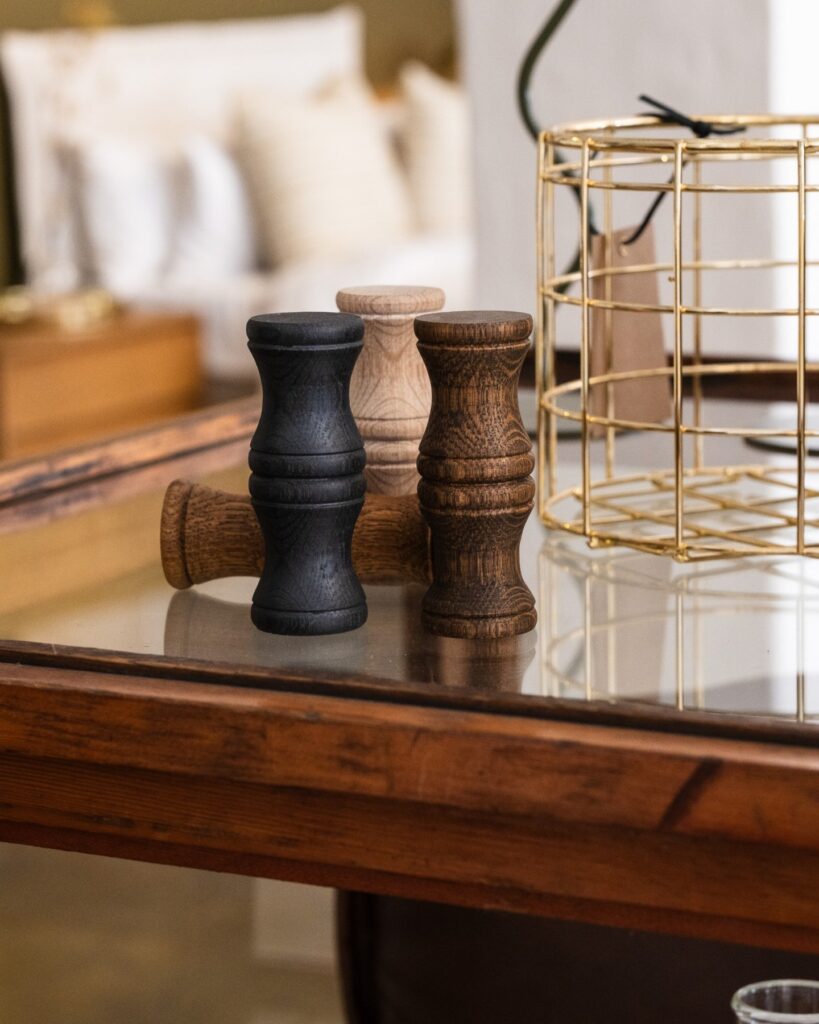
Anatomy Design: From an Award-Winning Light to Leading Design Showrooms
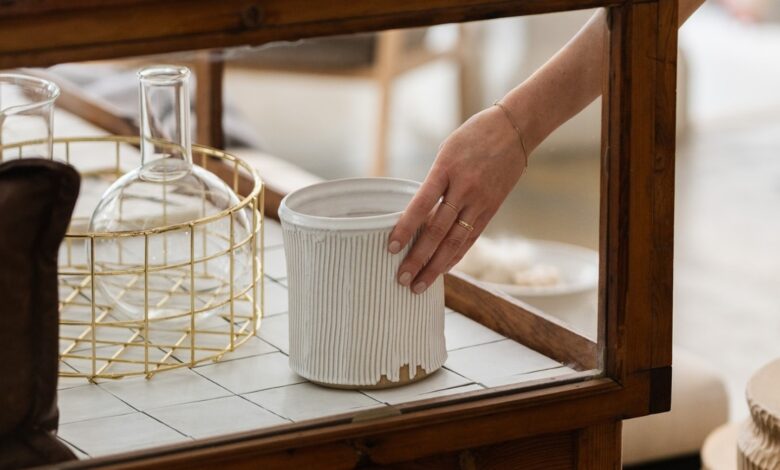
Anatomy Design: From an Award-Winning Light to Leading Design Showrooms. Some design businesses build their reputations gradually. Anatomy Design made an early impression with a product that placed its name firmly on the South African design map. Established in Johannesburg in 2010 by Megan Hesse and Andrea Kleinloog, Anatomy Design quickly attracted attention with The Lab Light, which received the Most Beautiful Object in South Africa award at the 2010 Design Indaba.
That recognition gave the young business an important early milestone. Rather than entering the market as just another furniture and homeware retailer, Anatomy Design introduced itself through a product that demonstrated its creative ambitions.
The award also provides a useful starting point for understanding the brand’s development. Its journey has involved more than selling beautiful objects. It has centred on product design, creativity, local manufacturing and the development of a recognisable presence in South Africa’s design industry.
For aspiring entrepreneurs, the first lesson is the value of having a strong opening proposition. A distinctive product can help a new business attract attention, establish credibility and communicate the standard it wants to maintain.
Building a Design Identity From 44 Stanley
Anatomy Design began at 44 Stanley in Johannesburg, where the business initially housed both its retail store and interior design studio.
This combination brought two related activities together under one roof. Customers could engage with the brand’s products while the founders also pursued interior design work.
The arrangement reflected the complementary creative interests of Hesse and Kleinloog, but it also meant that the business was developing two distinct areas of operation.
As both the retail and interior design divisions grew, the need for a more dedicated structure became apparent. The eventual separation of these activities would become one of the most important organisational developments in the company’s history.
For entrepreneurs, this early stage highlights the value of allowing a business to evolve around its strengths. Starting with connected activities can create opportunities, but growth may eventually require clearer structures and specialised teams.
The important lesson is to recognise when an original business model needs to change to accommodate the scale and demands of its different operations.
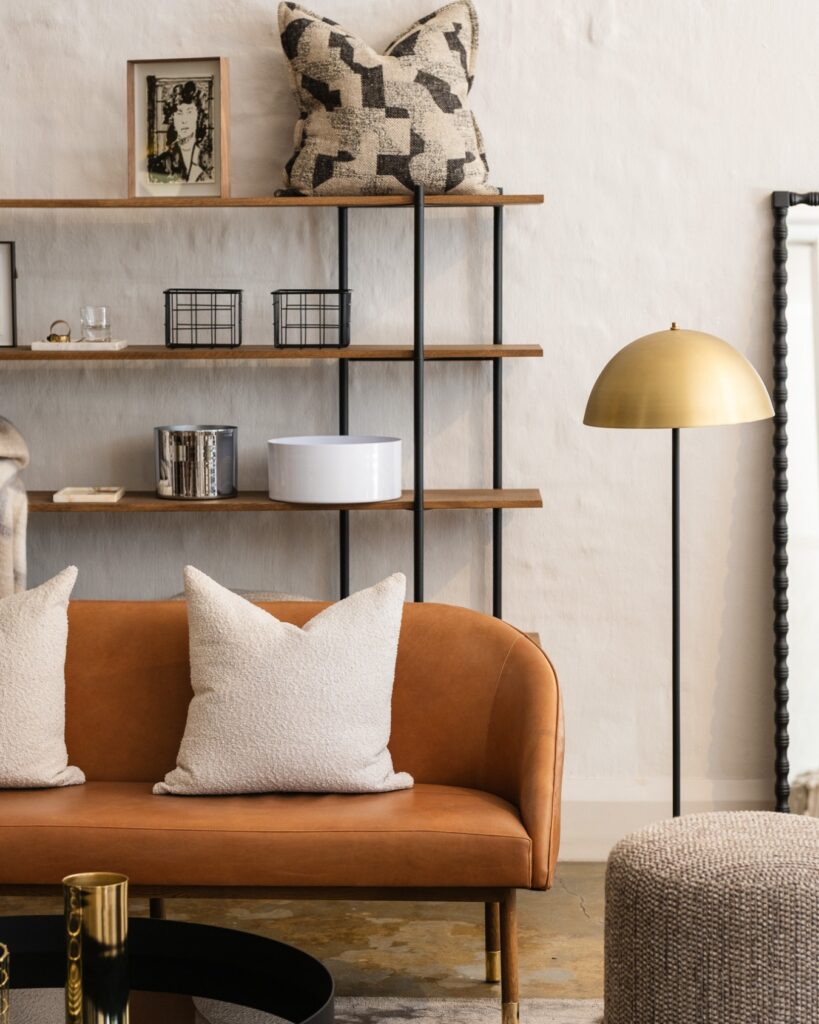
The 2016 Decision That Created a Dedicated Interior Design Business
One of Anatomy Design’s most significant turning points came in 2016, when Hesse Kleinloog was established as a dedicated interior design wing.
The decision followed the welcome growth of both the retail and interior design sides of the original business. Instead of continuing to manage both activities within the same structure, the founders created a separate operation focused on interior design.
This was a strategic development because it allowed the two areas to have distinct identities while remaining connected through their creative foundations.
It also demonstrates an important principle for growing businesses: expansion does not always mean opening another location or introducing more products. Sometimes it involves restructuring an existing operation so that each part can develop with greater focus.
Entrepreneurs can apply this lesson by regularly evaluating whether their current business structure still supports their ambitions. When different divisions develop their own demands, giving them dedicated attention can help create a more sustainable foundation for growth.
Expanding From Johannesburg Into Cape Town
Anatomy Design’s physical presence has also developed considerably since its beginnings at 44 Stanley.
The business now operates two showrooms: one in Johannesburg’s Kramerville Design District and another in Cape Town’s De Waterkant.
These locations give the brand a presence in two important South African design destinations. They also provide spaces where customers can experience its approach to product design, manufacturing and creativity.
The expansion represents a significant development from its original Johannesburg location. Rather than remaining tied to its first retail environment, Anatomy Design has established a presence in another major city.
For entrepreneurs, this illustrates the importance of thinking carefully about physical expansion. A new location should do more than increase a business’s footprint. It should provide a meaningful opportunity to bring its products and identity closer to customers.
Anatomy Design’s showrooms also reinforce the importance of the physical retail experience in a design-focused business, where customers benefit from seeing how products look and function in real spaces.
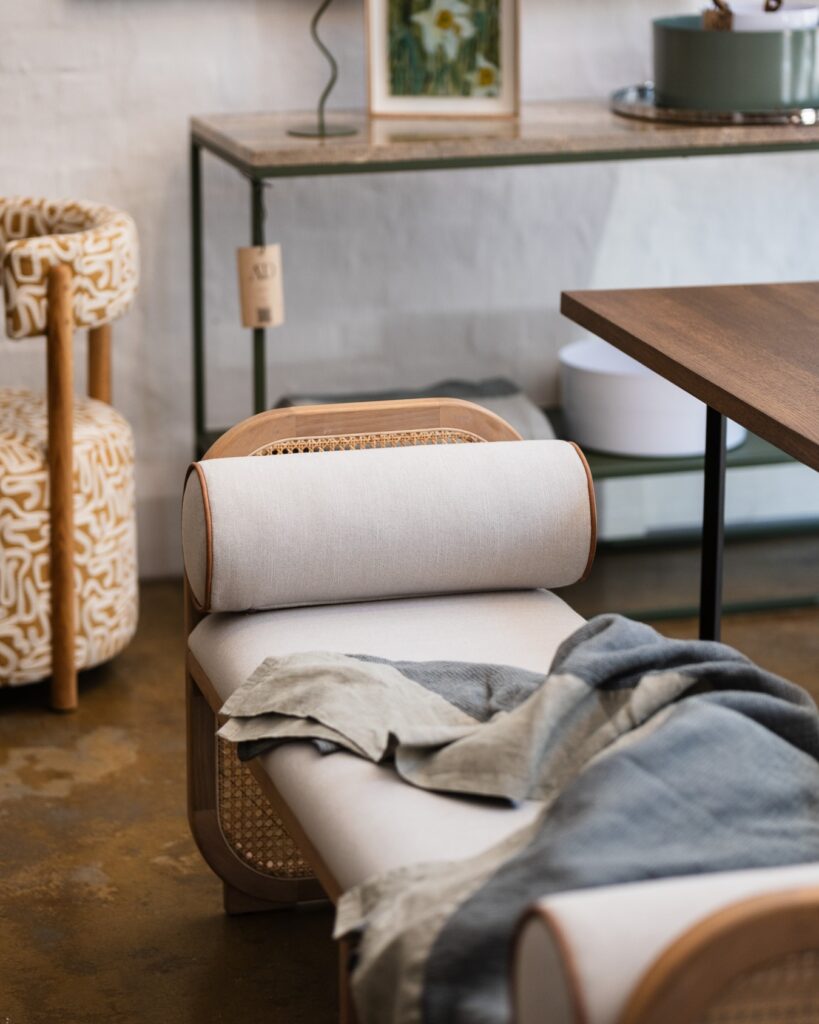
Making Local Design and Manufacturing Central to the Brand
A defining part of Anatomy Design’s positioning is its commitment to local manufacture, design and innovation.
The business describes its work as an expression of quality and creativity, with its showrooms showcasing that commitment. This gives its retail presence a purpose beyond displaying products. It becomes a way of communicating the brand’s broader design philosophy.
Its recognition as a multi-award-winning product design store further reflects the reputation it has established within the South African design industry.
For entrepreneurs, the lesson is that a clear point of difference needs to be visible in the products and customer experience. Local manufacturing can be an important part of a brand’s identity, but it becomes more meaningful when it is supported by the quality, creativity and design standards customers encounter.
Anatomy Design’s approach demonstrates how a business can make its design values central to its commercial identity rather than treating them as secondary marketing messages.
What Anatomy Design Teaches Entrepreneurs About Growth
The journey of Anatomy Design brings together several important business decisions. Its early recognition through The Lab Light gave it a distinctive introduction to the design industry. Its beginnings at 44 Stanley established a physical retail and studio presence. The creation of Hesse Kleinloog in 2016 gave its interior design activities a dedicated structure, while its subsequent showroom presence in Johannesburg and Cape Town expanded its reach.
These developments offer practical lessons for entrepreneurs.
First, a strong product can help establish a new business’s identity. Second, complementary activities can create opportunities, but they may eventually need separate structures. Third, physical expansion should reinforce the brand’s offering rather than simply increase its number of locations. Finally, a consistent commitment to quality and creativity can help distinguish a business in a competitive industry.
Anatomy Design’s story is particularly relevant to entrepreneurs working in creative industries, where commercial growth and artistic identity must develop together.
From an award-winning lighting design to two showrooms and a dedicated interior design operation, the business has built its presence through a series of identifiable developments. Its journey shows that growing a creative brand requires more than producing attractive objects. It requires a clear vision, an ability to recognise new opportunities and the willingness to adapt the business as it develops.