Wedgewood Nougat: How a Family Kitchen Creation Became a Confectionery Business
Wedgewood Nougat: How a Family Kitchen Creation Became a Confectionery Business. Wedgewood Nougat’s story began in a family kitchen, with a recipe that did not work the first time. In 1999, Gilly Walters was hosting concerts at her home for up to 100 guests. After her husband became ill with cancer, the gatherings helped the family make ends meet. Gilly combined her love of food with the events, creating culinary treats for the music lovers who visited.
Her inspiration for nougat came from an earlier chapter of her life. Having travelled to France as an au pair, she wanted to recreate Montélimar nougat as an alternative to the usual evening dessert. Her first attempt tasted good but was too runny, leaving her with no choice but to serve it frozen.
For Gilly, that was not the end of the idea. She spent five months working over the stove, testing and refining the recipe until she perfected the soft honey-rich nougat that remains central to the business.
This is the first important lesson behind Wedgewood: product development takes patience. An appealing idea does not automatically translate into a product customers will want to buy. The willingness to experiment, recognise what is not working and keep improving can be the difference between an interesting kitchen project and a viable business.
From Concert Guests to the Local Farmers’ Market
Once Gilly had perfected her recipe, she began packaging the nougat in baskets and taking it to the local farmers’ market. The response helped turn a home-based experiment into a growing business.
The demand for her nougat, followed by her distinctive nougat biscuits, meant production soon increased. Her three sons joined in, helping stir pots and support the work wherever needed. The family kitchen that had hosted a steady stream of testing and tasting became the starting point of Wedgewood Crafted Confectionery.
The farmers’ market was an important early route to customers. It allowed Gilly to introduce the product directly to people, build a following and see how they responded to something unfamiliar.
For entrepreneurs, this offers a practical lesson in testing a business idea close to the customer. A small market, community event or local selling opportunity can provide valuable feedback before a business commits to a larger operation. It also allows founders to build relationships and learn which products attract interest.
Wedgewood’s early growth was rooted in a product people could taste and experience for themselves. The business did not begin with a large-scale launch. It started by putting a carefully developed product in front of customers.
Creating a Second Product That Strengthened the Brand
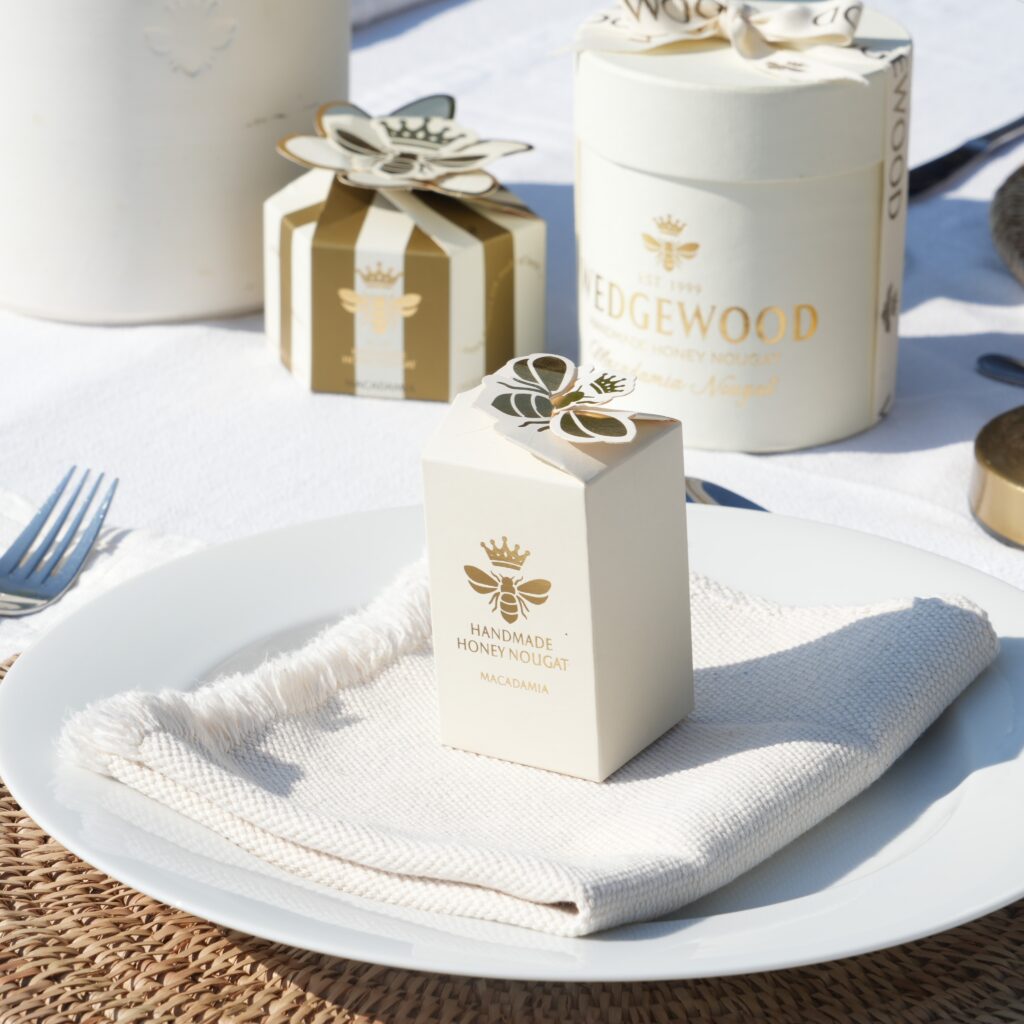
Wedgewood’s development was not limited to its original nougat. Gilly also created what the family describes as the world’s first nougat biscuit, giving the business another distinctive product connected to its original speciality.
This was an important development because it extended the brand’s identity without abandoning the product that had introduced it to customers. Nougat remained the foundation, while the biscuits offered another way to enjoy the family’s recipes.
The lesson for other food entrepreneurs is to explore opportunities that build naturally on an existing strength. New products can broaden a business’s offering, but they are more coherent when they reflect the knowledge, skills and identity the brand has already established.
Wedgewood’s product development also demonstrates the value of culinary experimentation. Gilly’s original curiosity about recreating a French confectionery product led to a recipe that became the basis for further creations. Her approach continues to inspire the next generation of flavour innovators within the business.
A Family Business Built Around Quality and Continuity
Wedgewood’s family involvement has remained central to its identity. The three sons who helped their mother during the early days became part of the business’s development, while the wider Wedgewood team has grown to include people from different backgrounds who share its goals.
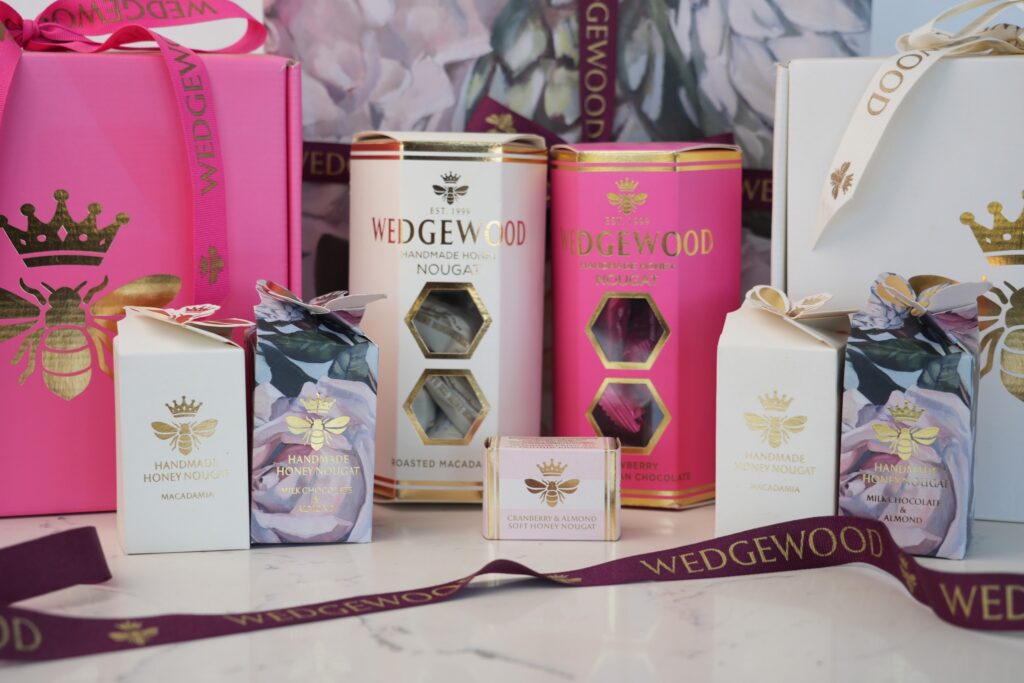
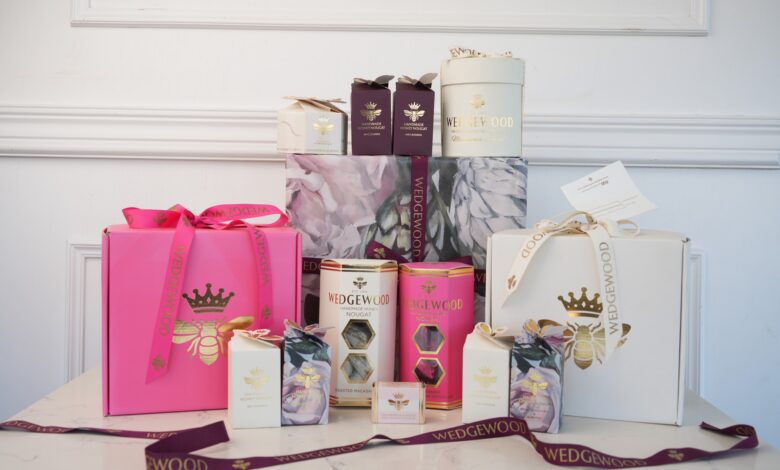
The business continues to make its nougat by hand on its farm, using the original family recipe in small batches. It also says it maintains a close focus on quality, sustainably sourced ingredients and environmentally friendly practices.
This consistency is an important part of the brand’s story. As businesses grow, maintaining the qualities that made their original products distinctive can become a challenge. Wedgewood’s continued use of Gilly’s recipe demonstrates how a business can develop while preserving an important part of its beginnings.
For entrepreneurs, the lesson is to identify which elements of the original product or customer experience should remain non-negotiable. Growth does not have to mean changing everything. A strong foundation can provide direction as a business introduces new ideas.
Recognition and a 25-Year Milestone
Wedgewood received recognition in 2010 when it won the Fair Lady Consumer Award for Best Health and Wellness Product. The award marked a significant moment in the business’s journey, following its establishment in 1999.
The family has also marked its 25th anniversary as a business, reflecting on a journey that began with handmade nougat for concert guests and developed into a family-run confectionery operation.
Its story highlights the importance of recognising milestones without losing sight of the work that follows them. Awards and anniversaries can provide opportunities to reflect on progress, but the long-term task remains the same: maintaining quality, developing products and serving customers.
Keeping Gilly’s Spirit of Experimentation Alive
Wedgewood’s development has been shaped by a combination of persistence, family involvement and a willingness to keep creating. Its commitment to making nougat by hand continues alongside the development of new recipes and attention to sourcing and sustainability.
The business also describes its family more broadly, including the employees who contribute their time and passion, as well as the customers who have supported its growth. Giving back to the community and finding more environmentally friendly ways of working form part of the shared purpose it describes.
For aspiring entrepreneurs, Wedgewood offers several practical lessons: take time to perfect the product, use local markets to build an early customer base, develop new offerings from existing strengths and protect the qualities that make a brand recognisable.
Above all, its journey shows how persistence can turn an imperfect first attempt into the foundation of a lasting business. Gilly’s first nougat batch had to be served frozen. Five months of experimentation changed that outcome, and a family kitchen became the birthplace of a South African confectionery brand that has continued to carry her recipes and passion forward.