
How Makwala Agri Grew from Hustle to Hope: The Story of Mphoke Makwala’s Poultry Business
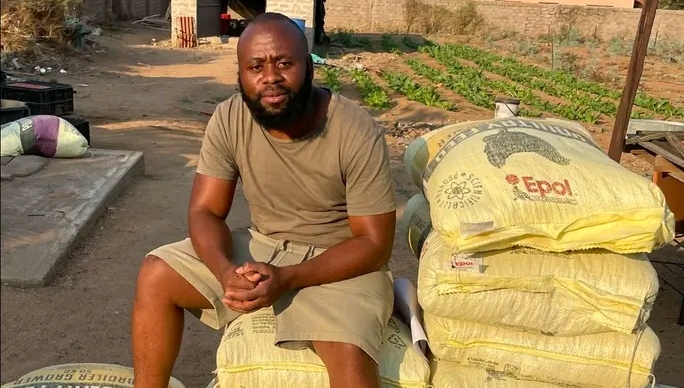
How Makwala Agri Grew from Hustle to Hope: The Story of Mphoke Makwala’s Poultry Business. In Botlokwa, Polokwane, Mphoke Makwala found himself staring down the hard reality of unemployment. Fresh out of Damelin College with a financial accounting qualification, his dream of working in property looked far away. While his peers found opportunities in family businesses, Makwala had no such cushion.
His mother gave him tough love when he asked for support to start his venture: if he wanted to go into business, he had to use his own money. That moment became the push that reshaped his future.
Lesson #1: Tough beginnings often force clarity and independence. Use rejection as motivation, not defeat.
Funding the Dream through Grit
In 2019, Makwala took on three jobs to fund his vision. By day he interned at the Department of Education. By night and weekends, he delivered parcels for Takealot and food for McDonald’s. He carefully split his income: rent, groceries, and savings. By year’s end, he had saved over R100,000.
That savings became the foundation of Makwala Agri. The discipline it took to live lean and work tirelessly shows that financial planning and sacrifice are not optional for entrepreneurs starting out.
Lesson #2: Side hustles can be stepping stones. Multiple income streams can fast-track your savings and reduce risk.
Entering Poultry with Precision
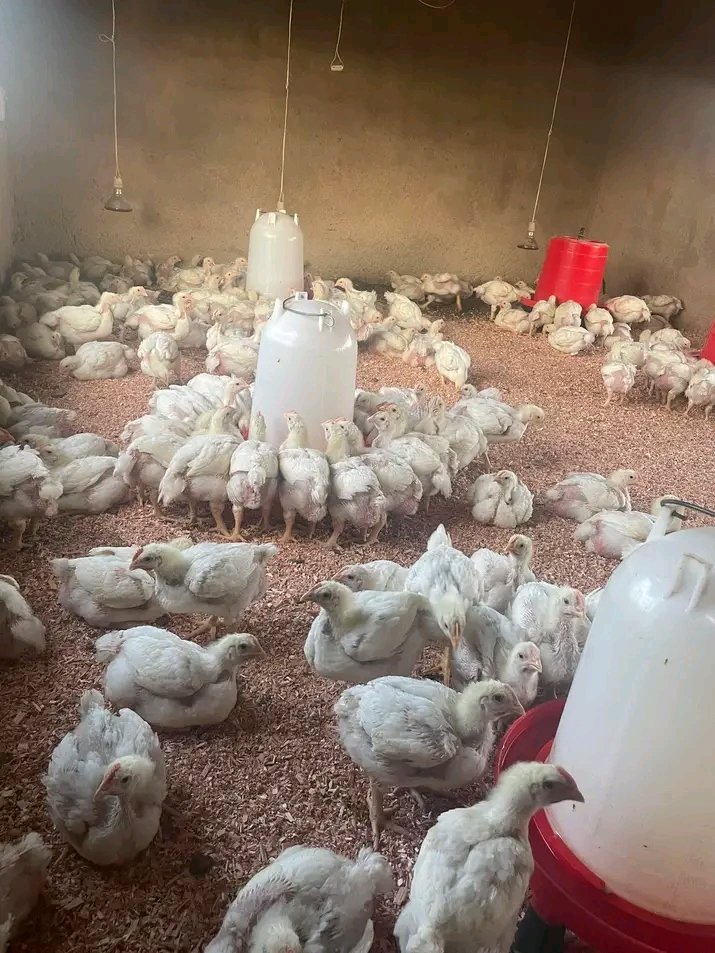
At first, Makwala considered raising layer chickens, but the cost and market challenges proved too steep. He pivoted to broilers, which offered faster turnover and a strong informal market. With R30,000, he built his first chicken house, and with R7,000, he raised 200 chickens. Six weeks later, he earned R14,000 in sales.
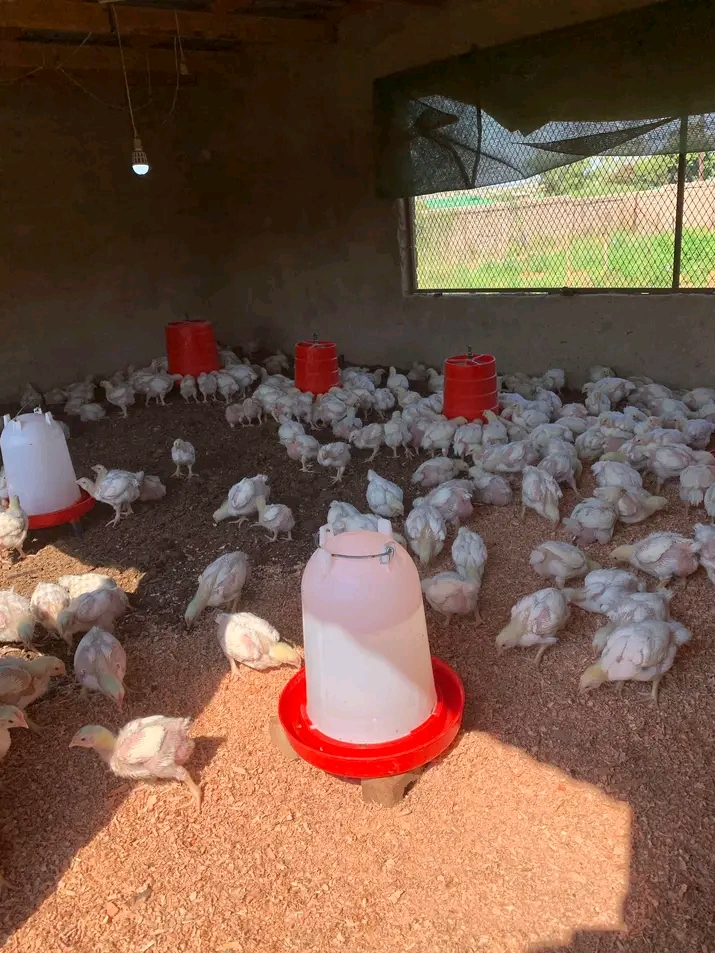
That quick cycle showed him the viability of poultry. But his early mistake, only having one chicken house, limited his income. With just four cycles in a year, survival was difficult. He adapted by building another house, allowing him to run cycles every month.
Lesson #3: Start small but always scale strategically. Identify bottlenecks quickly and reinvest profits to remove them.
Building a Model That Works
By 2023, Makwala Agri was running cycles of 200 to 300 chickens at a time. Spending between R7,000 and R8,000 per cycle, Makwala expected a full return on investment within six weeks. His philosophy was simple: every rand invested had to bring back another rand in profit.
This model gave him stability and predictability, but more importantly, it demonstrated that even in under-resourced provinces, disciplined farming can create real livelihoods.
Lesson #4: A simple, repeatable business model with fast cash flow can be a game-changer for new entrepreneurs.
Turning Knowledge into Influence
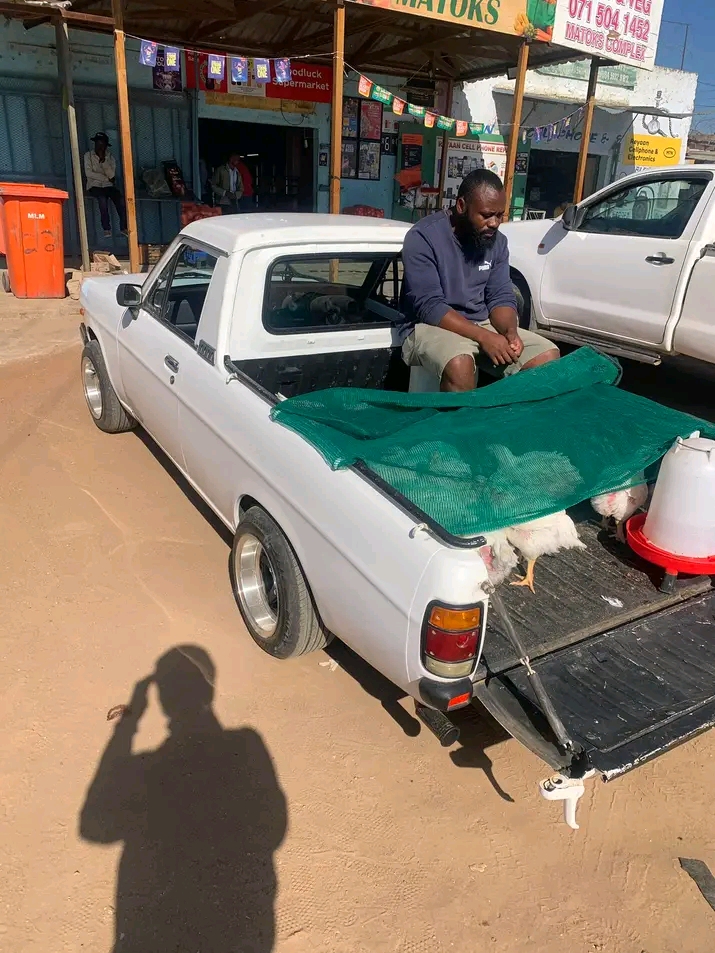
As word spread of his success, aspiring farmers began reaching out for guidance. Makwala noticed a gap: most poultry farming information online came from outside South Africa. To fill it, he launched a YouTube channel where he documented his methods, shared lessons, and offered local insights.
The channel now has over 4,000 subscribers and continues to grow. Beyond inspiring new farmers, it has attracted brands looking for collaborations. For Makwala, the platform is more than a teaching tool, it is a future income stream. By creating evergreen content, he is building royalties that will benefit him long after his active farming days.
Lesson #5: Share your knowledge. Teaching builds credibility, expands your influence, and can open new revenue streams.
Challenges that Shaped Growth
Makwala’s journey has not been free of obstacles. From the tough financial start to his early missteps in scaling poultry operations, every challenge demanded adaptation. He learned that efficiency in poultry farming depends on infrastructure and planning, and that mistakes are costly but fixable.
The resilience to correct mistakes, rebuild, and reinvest in his business became his strongest competitive edge.
Lesson #6: Every mistake is tuition. Learn fast, adjust, and treat challenges as stepping stones.
Looking Ahead: Scaling Ambition
Makwala’s story has already inspired thousands of aspiring poultry farmers across South Africa. His goal is to keep growing Makwala Agri into a larger operation while building his YouTube platform into a recognised hub for local agricultural content.
The dual strategy of farming and digital education ensures that his impact is both practical and scalable. His journey shows that young people can transform unemployment into opportunity with determination and vision.
Conclusion: Lessons from Makwala Agri
From hustling three jobs in 2019 to running a poultry brand that sustains him today, Mphoke Makwala has proven that entrepreneurship thrives on grit, strategy, and adaptation. His ability to pivot, reinvest, and share knowledge has made Makwala Agri a symbol of what is possible when resilience meets opportunity.
Aspiring entrepreneurs can learn from his journey: start where you are, save with discipline, choose fast-moving models, reinvest to scale, and share your expertise to build influence. In doing so, you can create not just a business but a ripple effect that inspires others to follow.