Local Village Africa and the Business of Healing Land, Livelihoods and Markets
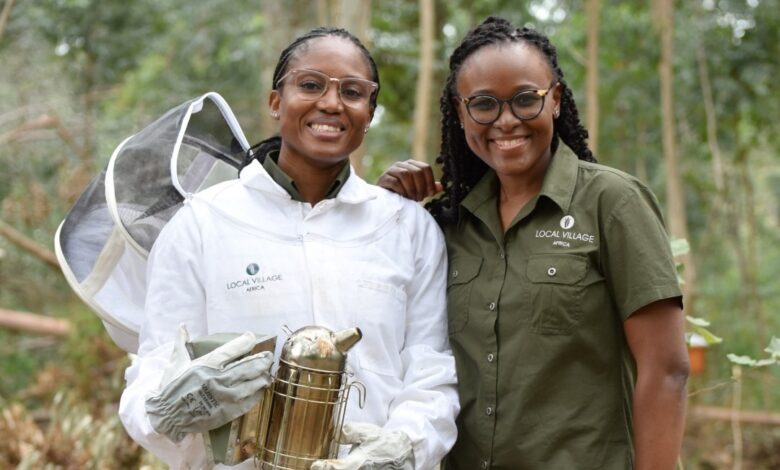
Local Village Africa and the Business of Healing Land, Livelihoods and Markets. Local Village Africa did not begin as a product idea. It began as a response to two realities unfolding at the same time. Bee populations were declining at a rate that threatened biodiversity and food security, while rural poverty across Africa continued to deepen, even though these same rural landscapes were ideally suited to sustainable agriculture and beekeeping. For Sipamandla Manqele and Mmabatho Morudi, both raised in villages themselves, this contradiction was impossible to ignore. What emerged was not just a brand, but a working model that links conservation, rural livelihoods and conscious markets into a single ecosystem.
Seeing Opportunity Where Crisis Overlapped
The foundation of Local Village Africa was built on a clear intersection. Bees are essential to food systems, yet their habitats are under pressure. Rural communities often live closest to nature, yet are excluded from economic value chains connected to it. Manqele and Morudi identified beekeeping as a point where environmental restoration and income generation could meet without exploitation. This clarity shaped every decision that followed.
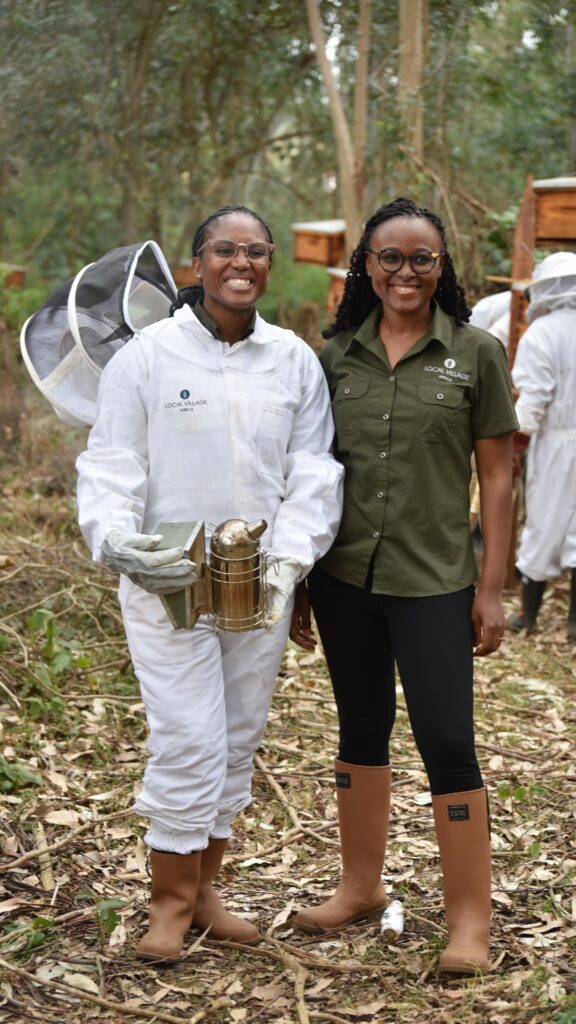
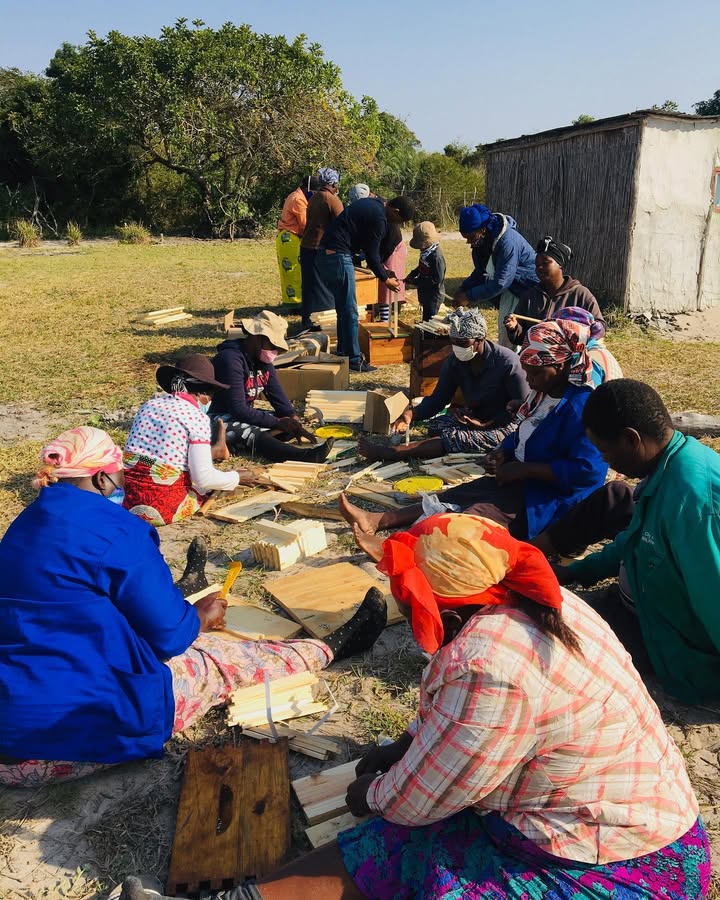
Rather than treating conservation as charity, Local Village Africa positioned it as a value creating activity. Communities are trained in sustainable beekeeping and conservation practices, enabling them to protect pollinators while producing high quality, ethically harvested honey. That honey, in turn, meets a growing market demand for traceable, responsibly sourced products.
Building Skills Before Building Products
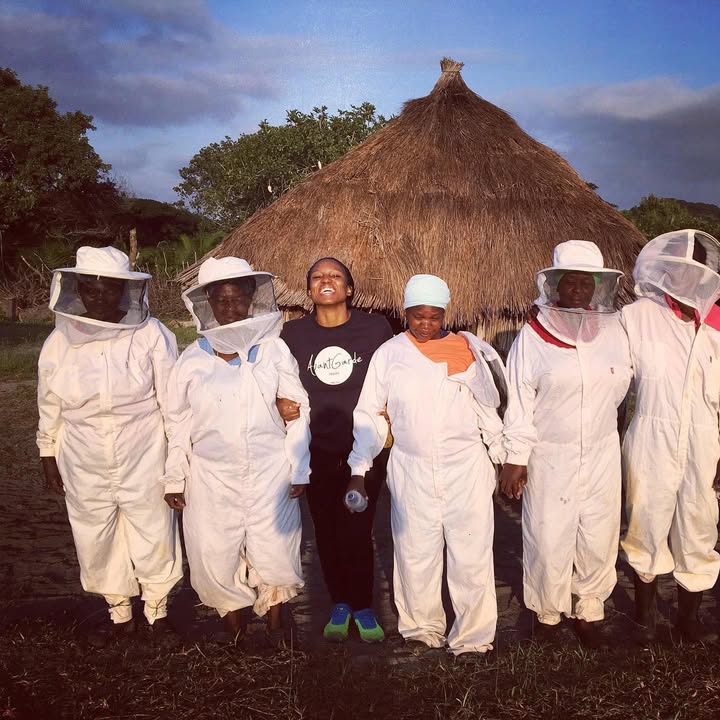
One of the most defining strategic choices made early on was to prioritise education. Local Village Africa developed community based training programmes that focus not only on technical beekeeping skills, but also on pollination, food security and environmental stewardship. This ensured that participants understood the long term value of conservation, not just the short term income it could generate.
This approach created a virtuous cycle. As communities earned income, they reinvested in their land and avoided harmful practices that degrade ecosystems. Over time, conservation became economically rational, not externally imposed. For aspiring entrepreneurs, the lesson is clear. Sustainable impact scales faster when people understand why the system works, not just how to participate in it.
The Formation of One Village
Before Local Village Africa became a unified enterprise, the founders each operated separate ventures. One focused on ethically sourced agricultural produce with a distinct African identity. The other centred on beekeeping as a tool for environmental protection and rural opportunity. The decision to merge was not driven by expansion for its own sake, but by alignment of values.
They combined their efforts into a single social enterprise rooted in a shared belief that ethical producers and conscious consumers could be meaningfully connected. This moment marked a turning point. Local Village Africa shifted from isolated initiatives to a village model, where producers, processors and markets are interdependent rather than transactional.
The Village Philosophy as a Brand Anchor
The word “village” is not a marketing label within Local Village Africa. It is the organising principle of the brand. A village represents heritage, shared responsibility and balance between people and nature. This philosophy informs everything from sourcing to packaging to storytelling.
Their product range, which includes artisanal granola, African indigenous wholefoods, raw honey and botanical iced tea, reflects this grounding. Each product is positioned as an extension of land and people, rather than a disconnected commodity. As the team explains, “Each jar of our raw Noju honey tells a story. It connects the consumer directly to the landscape, the people, and the sustainable practices behind the product.”
Innovation Through Regenerative Agriculture
Local Village Africa’s work extends beyond beekeeping. By introducing regenerative agriculture alongside apiculture, the organisation helps restore degraded habitats while creating alternative income streams. This integrated model strengthens food system resilience and reduces dependency on single crops or practices.
Their business model also links conservation of natural resources, rural producer initiatives and markets in a mutually beneficial relationship. Communities are taught how to derive greater long term value from protecting the environment rather than exploiting it. Initiatives such as community bee sanctuaries and efforts to address human wildlife conflict further reinforce this approach.
Scaling With Purpose, Not Speed
Expansion for Local Village Africa is measured through networks, not outlets. Their vision is to build a continental system that connects producers, suppliers and customers in a responsible and fair way. As the village grows, so does the range of products and the number of people included in the ecosystem.
Future goals include planting indigenous trees, promoting climate resistant crops and mitigating deforestation. These ambitions are consistent with the brand’s core logic rather than a departure from it. Growth is framed as deepening impact, not diluting values.
Lessons for Entrepreneurs Building Impact Driven Brands
Local Village Africa offers several practical lessons. Start with a real problem that intersects social and economic value. Build skills before scaling products. Align partners through shared philosophy, not convenience. Treat sustainability as a value driver, not a cost. Most importantly, design systems where people benefit more from protecting resources than destroying them.
Their journey shows that strong brands are often built by repairing broken connections between land, people and markets. When those connections are restored thoughtfully, growth becomes a by product of purpose rather than the other way around.