The ButtaNutt Story and the Power of Building What People Actually Want
The ButtaNutt Story and the Power of Building What People Actually Want. A jar of macadamia butter being sold from a university residence room in Stellenbosch did not look like the beginning of one of South Africa’s most recognisable plant based food brands. There were no giant investors at the start, no polished factory, and no guaranteed market waiting for the product.
There was simply an engineering student named Antoine van Heerden trying to make extra money by selling his parents’ macadamias in 2012.
Ironically, the failure to sell plain nuts became the turning point that shaped the future of ButtaNutt.
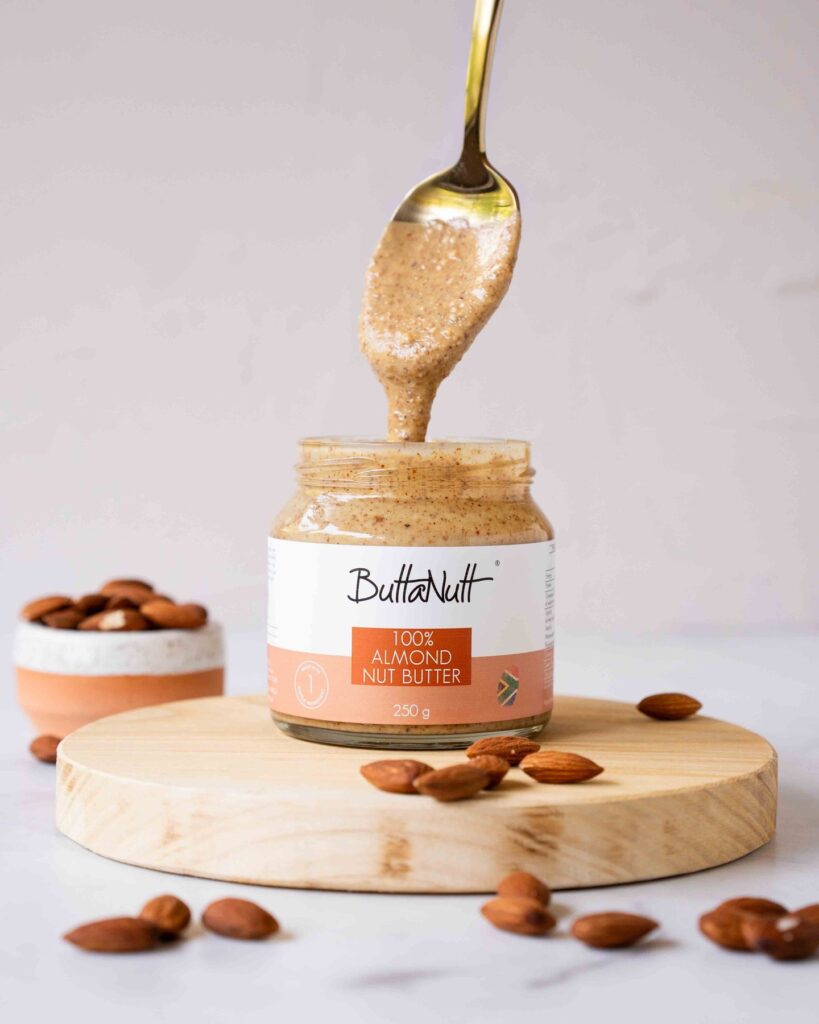
Instead of forcing a product people were not excited about, Antoine adapted. He discovered that roasted and ground macadamias created a creamy nut butter that people immediately loved. That small observation became the foundation of a business that would eventually grow into a large scale operation with national retail listings, international trade exposure, and major investment from PepsiCo.
The story behind ButtaNutt offers valuable lessons about product innovation, persistence, timing, and the importance of listening to consumer behaviour instead of personal assumptions.
Turning Rejection Into Product Innovation
One of the biggest lessons from ButtaNutt’s rise is that failed ideas can sometimes point entrepreneurs toward better opportunities.
When Antoine realised university students were not interested in buying raw macadamias, he could have abandoned the idea completely. Instead, he experimented with roasting and grinding the nuts into butter.
That shift changed everything.
The early days of ButtaNutt were intensely hands on. Antoine roasted, ground, bottled, and labelled products from his student accommodation. Friends, athletes, and roommates helped stick labels onto jars and work market stalls. The business grew through direct interaction with customers at local farmers markets, where Antoine spent countless hours explaining what nut butter even was to curious shoppers.
This stage mattered more than many entrepreneurs realise.
Before scaling, ButtaNutt built awareness person by person. That grassroots marketing approach helped the brand understand customer reactions in real time while slowly building trust.
For aspiring founders, there is a major lesson here: early growth often comes from education and consistency rather than instant virality.
Choosing Entrepreneurship Over Comfort
As the business gained traction, Antoine faced a difficult decision while studying toward his Masters degree at Stellenbosch University.
He chose to leave further studies behind and pursue the business full time.
That decision represented a major turning point for ButtaNutt. Many businesses remain side hustles because founders hesitate to fully commit when momentum appears. Antoine recognised the opportunity and leaned into it.
The company later joined the LaunchLab entrepreneurial hub at Stellenbosch University, giving the business a stronger environment for growth and development.
In 2016, ButtaNutt won the Western Cape’s Premier’s Entrepreneurship Recognition Awards for Best Emerging Agri-Processing Business. Recognition like this helped validate the brand and increased its credibility in the market.
Soon after, ButtaNutt products secured shelf space in major retailers including Pick n Pay, Wellness Warehouse, and Dis-Chem.
That progression highlights another important lesson: credibility compounds.
Each milestone opened the door to the next one.
Scaling Without Losing the Brand Identity
As demand increased, production moved from Worcester to Maitland before eventually settling in Paarl.
Scaling production is where many food startups struggle. Quality can decline, operations become chaotic, and brand identity gets diluted. But ButtaNutt continued expanding while maintaining its focus on wholesome, plant based products.
The company also achieved FSSC22000 accreditation, an important food safety certification that strengthened operational credibility.
Instead of staying comfortable with one successful product category, ButtaNutt continued investing in research and development.
That mindset became especially important when the company began experimenting with nut milks in 2015.
The process was far from glamorous. Early experiments reportedly involved squeezing cheese cloths by hand only to watch the milk curdle in coffee. Yet the company kept refining the concept.
In 2016, Antoine travelled to the United States to study developments in plant based milk alternatives. That exposure helped shape ButtaNutt’s next phase of growth.
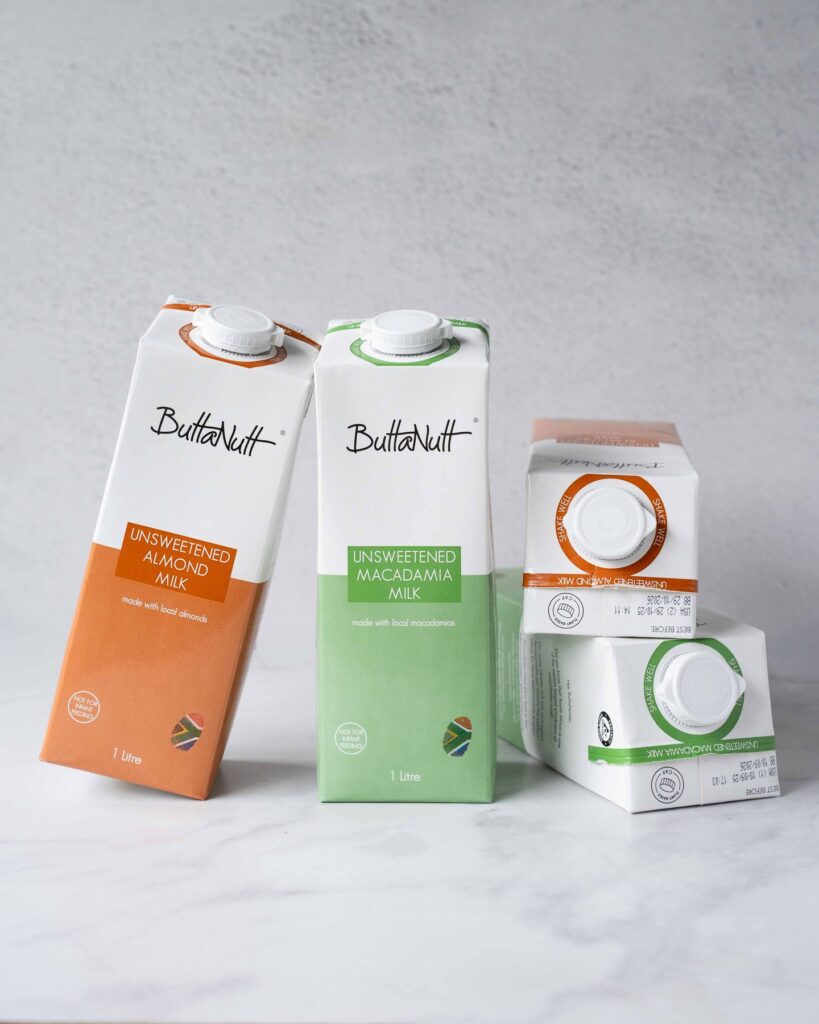
By 2021, the company officially launched three milk alternatives, and demand quickly accelerated.
The lesson here is powerful: innovation often starts long before consumers fully understand the opportunity.

The PepsiCo Investment That Changed the Scale
A defining moment arrived in 2022 when PepsiCo invested in ButtaNutt.
The investment enabled the installation of a new Tetra Pak processing and packaging plant, dramatically increasing production capacity from 20,000 litres to 100,000 litres per day.
That expansion created room for exports, co-packing opportunities, and future product development.
Importantly, ButtaNutt did not abandon its original mission while scaling. The company continues positioning itself around plant powered products designed to support people, communities, and the environment.
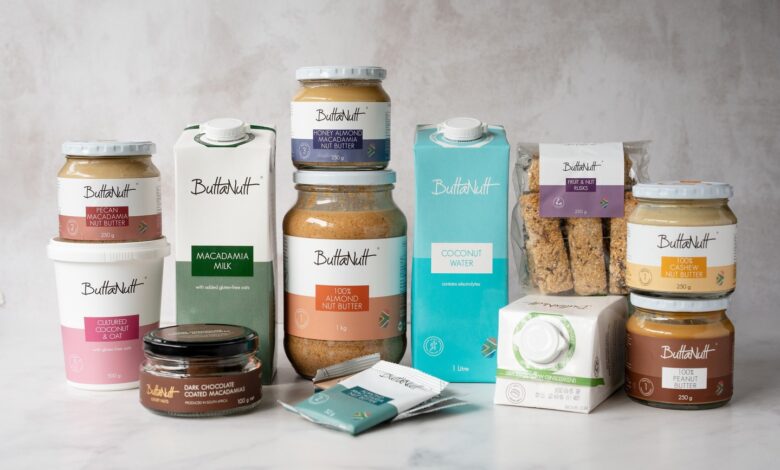
Today, the business employs around 100 people and continues exploring new product categories including ice cream, chocolate, rusks, and other plant based innovations.
Why the ButtaNutt Journey Matters to Entrepreneurs
The ButtaNutt story proves that successful brands are rarely built through perfect plans from day one.
They are built through experimentation, customer feedback, adaptability, and the willingness to evolve.
Antoine van Heerden started with a product that nobody wanted. Instead of quitting, he reshaped the idea into something customers genuinely loved. He tested products directly with consumers, built slowly, embraced innovation, and expanded strategically when the timing was right.
For entrepreneurs, the biggest takeaway may be this: sometimes the breakthrough is hidden inside the failure people initially overlook.