
How Pang Turned Specialty Coffee and Creativity into Community
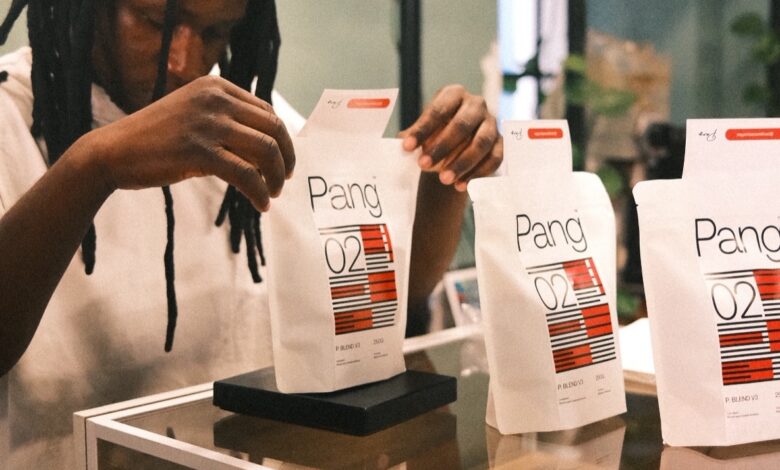
How Pang Turned Specialty Coffee and Creativity into Community. In a city filled with cafés competing for attention, Pang chose a different route. Instead of building a business around speed or convenience, the Cape Town specialty coffee brand focused on something slower and far more intentional: craftsmanship, detail, and community.
From the beginning, Pang positioned itself as more than a coffee shop. It became a meeting point for creatives, coffee lovers, and people searching for spaces that feel genuine. Built in the heart of Cape Town, the brand combined specialty coffee culture with fashion, creativity, and thoughtful hospitality to create an experience customers could emotionally connect with.
That balance between product quality and cultural identity has become one of Pang’s greatest strengths. The brand’s journey offers valuable lessons about differentiation, authenticity, and why building community can be more powerful than chasing mass appeal.
Creating More Than a Coffee Shop
One of the biggest lessons behind Pang is the importance of understanding what customers truly want beyond the product itself.
The business did not simply open its doors to serve coffee. It created what it describes as a “safe haven and hub” for like minded creatives from different walks of life. That positioning immediately gave the brand emotional depth.
Many hospitality businesses focus only on transactions. Pang focused on atmosphere and belonging.
This decision matters because modern consumers increasingly search for experiences rather than just products. A café today competes not only on taste, but also on feeling, identity, and environment.
By creating a welcoming community centered space, Pang built something customers could associate with personally. Whether local or visiting Cape Town for the first time, customers were invited into a culture rather than just a café.
For entrepreneurs, this highlights a critical insight: businesses grow stronger when they become part of people’s lifestyles instead of remaining simple service providers.
Building a Brand Around Craftsmanship
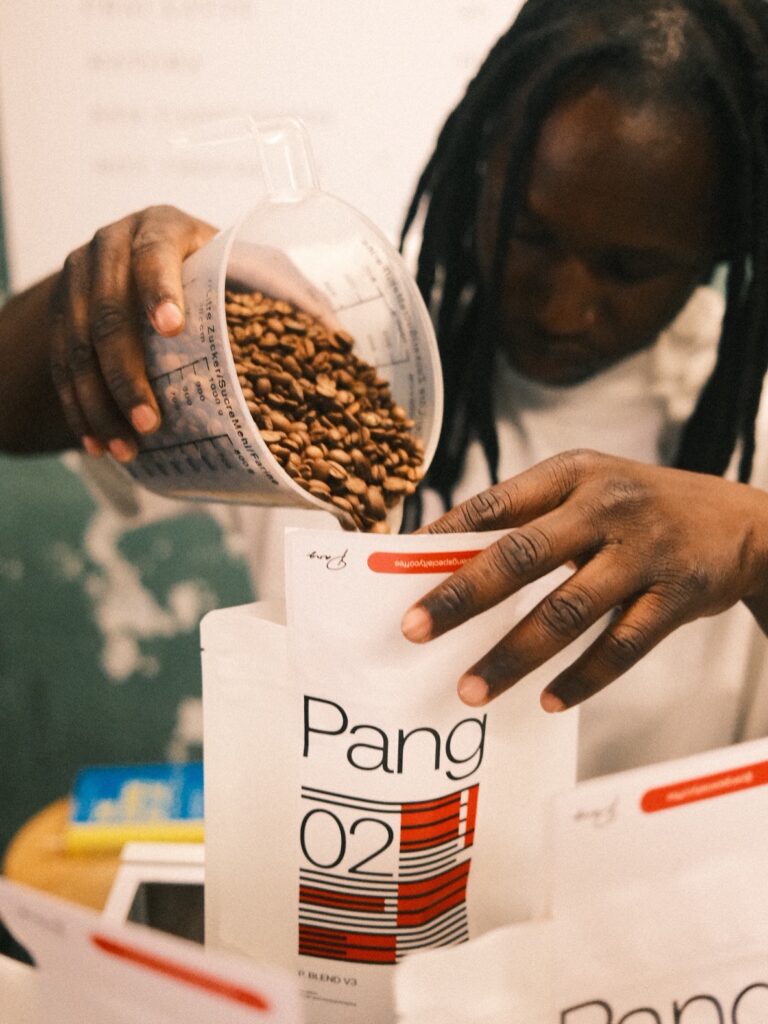
Another major turning point behind Pang’s identity was its commitment to craftsmanship and attention to detail.
The brand openly states that it was inspired by small businesses that specialize in quality and detail driven work. That philosophy shaped how Pang approached coffee, design, and customer experience.
Rather than trying to appeal to everyone through mass market shortcuts, the business leaned into specialization. Specialty coffee itself requires patience, precision, and consistency. Pang embraced those values fully.
Its collaboration with local coffee roasters also strengthened its positioning. By working closely with roasters to source high quality beans, the café ensured that every cup reflected the standards the brand wanted to represent.
This commitment to quality helped Pang establish trust with customers. In competitive industries, consistency often becomes one of the strongest forms of marketing.
Entrepreneurs can learn an important lesson here: attention to detail may seem small in the short term, but over time it shapes reputation.
Using Storytelling to Strengthen the Brand
Pang’s success also reflects the power of storytelling.
The brand consistently communicates its journey through themes like discovery, craftsmanship, creativity, and connection. Even its description of coffee focuses on flavour, aroma, and the story behind each cup.
That storytelling transforms ordinary products into memorable experiences.
Modern customers rarely buy products based on function alone. They buy identity, emotion, and meaning. Pang understands this well. The café’s carefully curated atmosphere and focus on craftsmanship help customers feel part of something intentional.
This approach creates stronger emotional engagement than generic branding ever could.
For startups, storytelling is one of the most affordable and effective tools available. Businesses that clearly explain why they exist often stand out more than businesses with bigger advertising budgets.

The Strength of Niche Positioning
One reason Pang stands out in Cape Town’s café scene is because it did not attempt to become everything for everyone.
Instead, the business leaned into a niche identity tied to specialty coffee, creativity, and culture. That focused positioning helped attract customers who value thoughtful experiences and quality products.
Trying to appeal to everyone often weakens a brand’s identity. Pang avoided that trap by embracing specificity.
Its combination of fashion, coffee culture, and creative community gave the brand a distinctive personality that customers could immediately recognize.
This is a valuable lesson for entrepreneurs across industries. A strong niche often creates stronger customer loyalty than broad but forgettable positioning.
Turning Collaboration Into a Competitive Advantage
Pang’s relationship with local coffee roasters is another important strategic lesson.
Instead of operating in isolation, the brand collaborated with others who shared similar values around quality and craftsmanship. These partnerships strengthened the café’s credibility while also supporting local industry connections.
Collaboration can become a major growth strategy for emerging businesses. Working with aligned partners often allows brands to expand their reach and strengthen their identity without losing authenticity.
Pang’s journey demonstrates that partnerships built around shared values tend to feel more natural and trustworthy to customers.
Why Authentic Spaces Matter in Modern Business
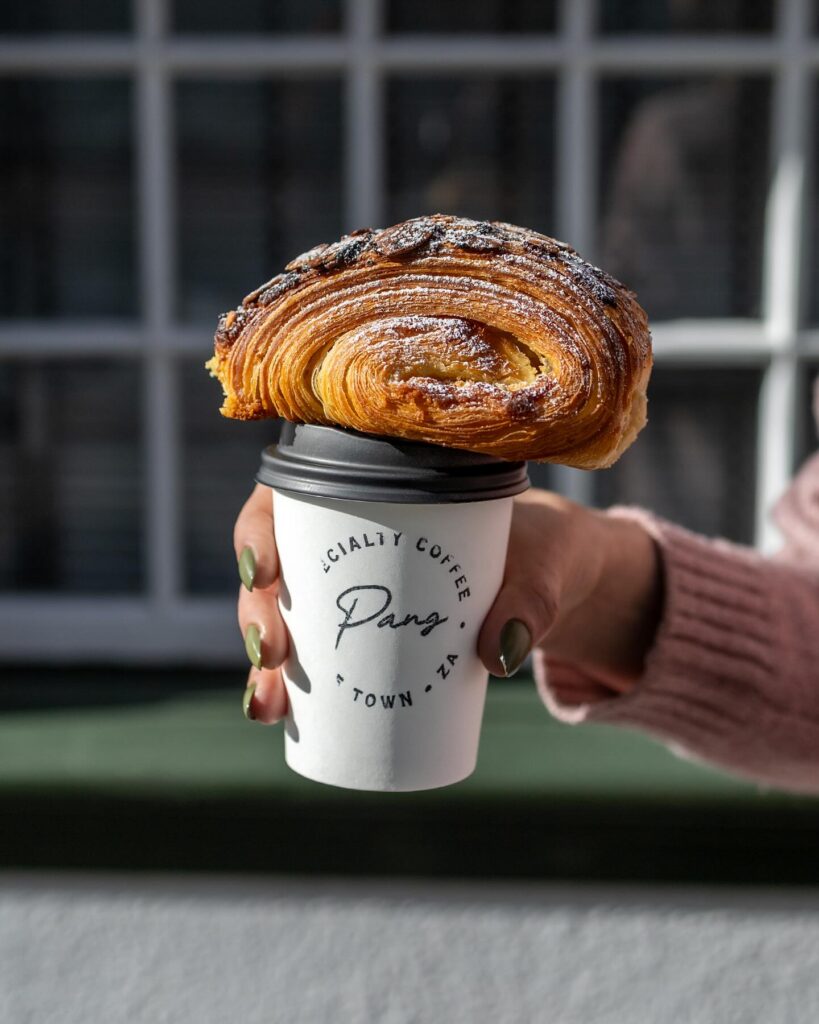
One of the most powerful aspects of Pang is its atmosphere of authenticity.
The café was not built to imitate global coffee trends without personality. It was built around genuine passion for coffee, detail, creativity, and human connection. That authenticity gives the business emotional staying power.
Consumers are becoming increasingly selective about where they spend their money and time. They are drawn toward brands that feel intentional, honest, and culturally aware.
Pang’s identity feels rooted in real passion rather than manufactured branding. That distinction matters.
The Bigger Lesson Behind Pang
Pang’s rise reflects a growing shift in modern entrepreneurship. Consumers no longer want businesses that simply sell products. They want spaces, brands, and experiences that feel human.
By combining specialty coffee with craftsmanship, creativity, and community, Pang created a brand that stands out through emotion and identity rather than scale alone.
Its story proves that businesses do not need massive size to leave a lasting impression. Sometimes the strongest brands are built quietly through consistency, detail, and meaningful connection.
Pang understood something many businesses overlook: when people feel welcomed, inspired, and emotionally connected, they do not just return for the coffee. They return for the experience.