
From Hotel Corridors in America to a Fast Food Counter in Mthatha: The Rise of Kitchen Brothers
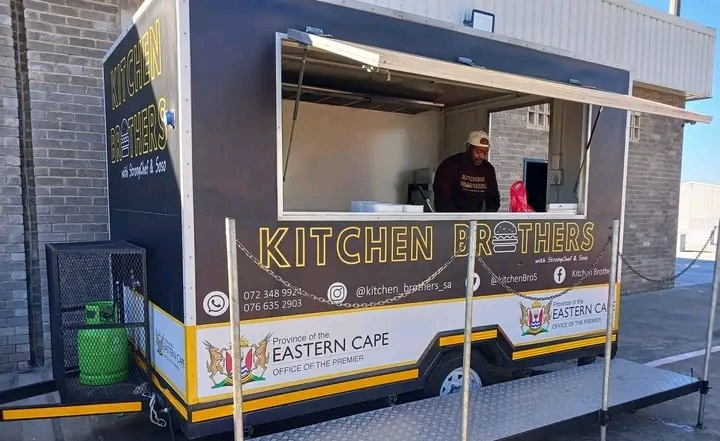
From Hotel Corridors in America to a Fast Food Counter in Mthatha: The Rise of Kitchen Brothers. Some business journeys begin with a detailed plan written on paper. Others begin with uncertainty, timing and the willingness to take a risk when life changes direction unexpectedly. For Wandile Mabija, the founder of Kitchen Brothers, the turning point came during one of the most uncertain periods in modern history.
In 2020, while much of the world was slowing down because of lockdown restrictions, Wandile returned from the United States after working at a hotel. Back home in Mthatha in the Eastern Cape, he made a decision that would reshape his future. Instead of waiting for opportunities to return, he created one of his own by launching a fast food restaurant business called Kitchen Brothers.
What makes this story compelling is not just the launch itself, but the mindset behind it. Wandile’s journey reflects a growing generation of entrepreneurs who are turning global experiences, local understanding and difficult moments into sustainable businesses.
Turning Uncertainty Into Opportunity
The year 2020 forced many people to rethink their careers and financial security. For Wandile, returning home from the United States could easily have felt like a setback. Instead, it became the beginning of a new chapter.
One of the strongest lessons behind Kitchen Brothers is the ability to act during uncertain times.
Many entrepreneurs wait for perfect conditions before launching a business. They wait for more money, more confidence or a better economy. But history has shown that some of the most resilient businesses are built during periods of disruption.
Wandile recognised that people would always need affordable and convenient food. Fast food businesses, especially those rooted in local communities, often survive because they meet daily needs consistently.
Rather than seeing lockdown as the end of opportunity, he used it as a moment to build something from the ground up.
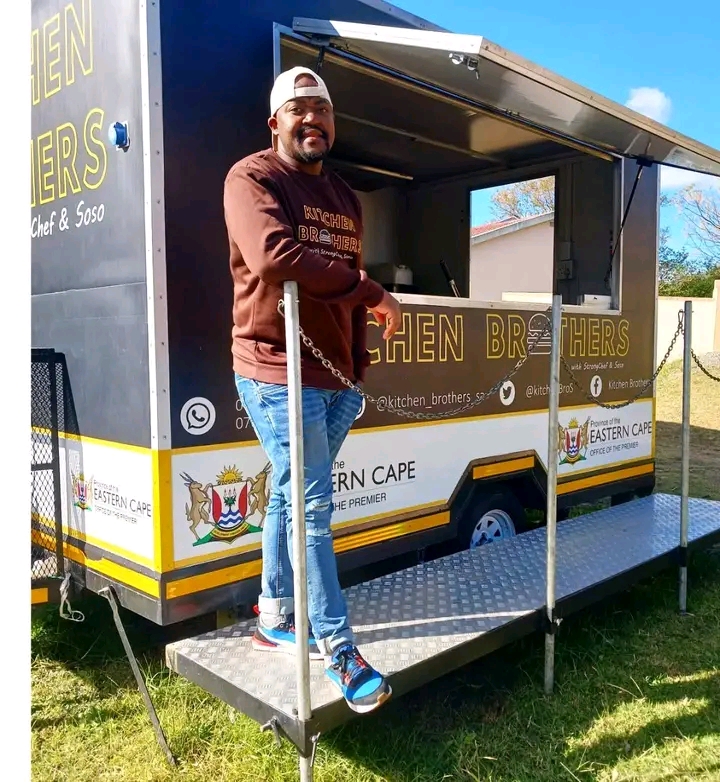
Using International Exposure to Build Local Value
Working at a hotel in the United States likely exposed Wandile to hospitality standards, customer service and operational discipline. While the details of his work abroad are limited, one thing is clear: international exposure gave him a broader understanding of service driven business environments.
That matters in the food industry.
Customers may forget a menu item, but they rarely forget how a business made them feel. Hospitality teaches entrepreneurs the importance of consistency, presentation and customer experience.
Kitchen Brothers represents an important entrepreneurial lesson. Sometimes the greatest value of working elsewhere is not the salary earned, but the skills and perspective brought back home.
Many successful entrepreneurs apply lessons from previous industries into entirely new ventures. Wandile’s transition from hospitality work abroad into food entrepreneurship in Mthatha reflects that principle clearly.
Building a Business Within Community
Another major strength behind Kitchen Brothers is location awareness.
Too many entrepreneurs try to build businesses based only on trends they see online. Wandile built a business within his own community, understanding the rhythm, tastes and needs of local consumers in Mthatha.
Fast food businesses thrive when they become part of people’s routines. Customers return not only because of the food, but because the business feels familiar, accessible and connected to the area.
This is one of the most overlooked lessons in entrepreneurship. Businesses grow faster when founders deeply understand the environment they serve.
Kitchen Brothers was not built around trying to impress everyone nationally overnight. It started by serving local demand first. That foundation often creates stronger long term businesses than rapid expansion without community loyalty.

The Power of Starting Small and Starting Anyway
There is something powerful about entrepreneurs who begin with what they have instead of obsessing over what they lack.
Wandile did not wait for massive funding announcements or perfect economic conditions. He started.
That decision alone separates many successful entrepreneurs from people who remain stuck in planning mode for years.
Small beginnings are common in the food industry. Many recognised restaurant brands started with limited resources, small kitchens or simple menus before growing larger over time.
The important lesson is momentum.
Entrepreneurs build confidence by taking action, solving problems and learning directly from customers. Business growth rarely happens in theory alone.
Kitchen Brothers demonstrates that action creates opportunities that hesitation never will.
Why Storytelling Matters in Modern Brands
Part of what makes Kitchen Brothers memorable is the human story behind it. A young entrepreneur returns home from working abroad during lockdown and builds a fast food business in the Eastern Cape.
That narrative naturally creates emotional connection.
Modern consumers increasingly support brands with authentic stories. People enjoy knowing who is behind a business, what inspired it and what challenges were overcome along the way.
For aspiring entrepreneurs, this highlights the importance of personal branding. Your story can become one of your strongest marketing tools when it is genuine and grounded in real experience.
Customers connect with ambition, resilience and authenticity far more than polished corporate language.

Building Beyond Survival
Kitchen Brothers represents more than a restaurant. It reflects self belief, adaptability and the willingness to create opportunities in difficult circumstances.
Wandile Mabija’s journey shows that entrepreneurship is not always about inventing something completely new. Sometimes success comes from entering a familiar industry with commitment, discipline and a strong understanding of people.
His story also highlights a larger lesson for young South Africans. Skills gained overseas, in formal jobs or through life experience can all become foundations for local businesses that create impact at home.