
How Majozi Bros Construction Became a Luxury Name in Township Development
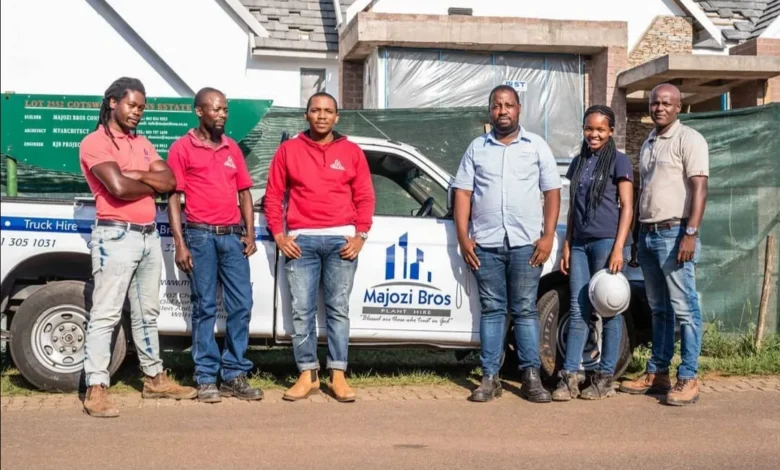
How Majozi Bros Construction Became a Luxury Name in Township Development. The story of Majozi Bros Construction is rooted in both experience and vision. Founded by Simphiwe Majozi under the guidance of his father Musa Majozi, the business began with a strong foundation in construction knowledge.
This combination of youth and experience created a unique starting point. Simphiwe brought fresh perspective and ambition, while his father contributed years of industry expertise.
From the beginning, the business was not just about construction. It was about building something that could stand out in a competitive and often inconsistent market.
The lesson here is clear. Strong foundations, whether through mentorship or experience, can accelerate growth.
Identifying a gap in the market
One of the most important turning points in the journey came from recognising an underserved market. Simphiwe Majozi identified a growing black middle class that wanted to build luxury homes in townships.
Despite this demand, many clients struggled to find contractors who could deliver high end results. Common challenges included poor reliability, missed deadlines, budget overruns, and lack of quality finishes.
This gap created an opportunity. Majozi Bros Construction positioned itself as a solution to these problems by focusing on reliability, quality, and turnkey project execution.
This strategic positioning became a key driver of growth.
For entrepreneurs, this highlights a powerful insight. The most valuable opportunities often lie in solving persistent problems within existing markets.
Building a reputation through execution
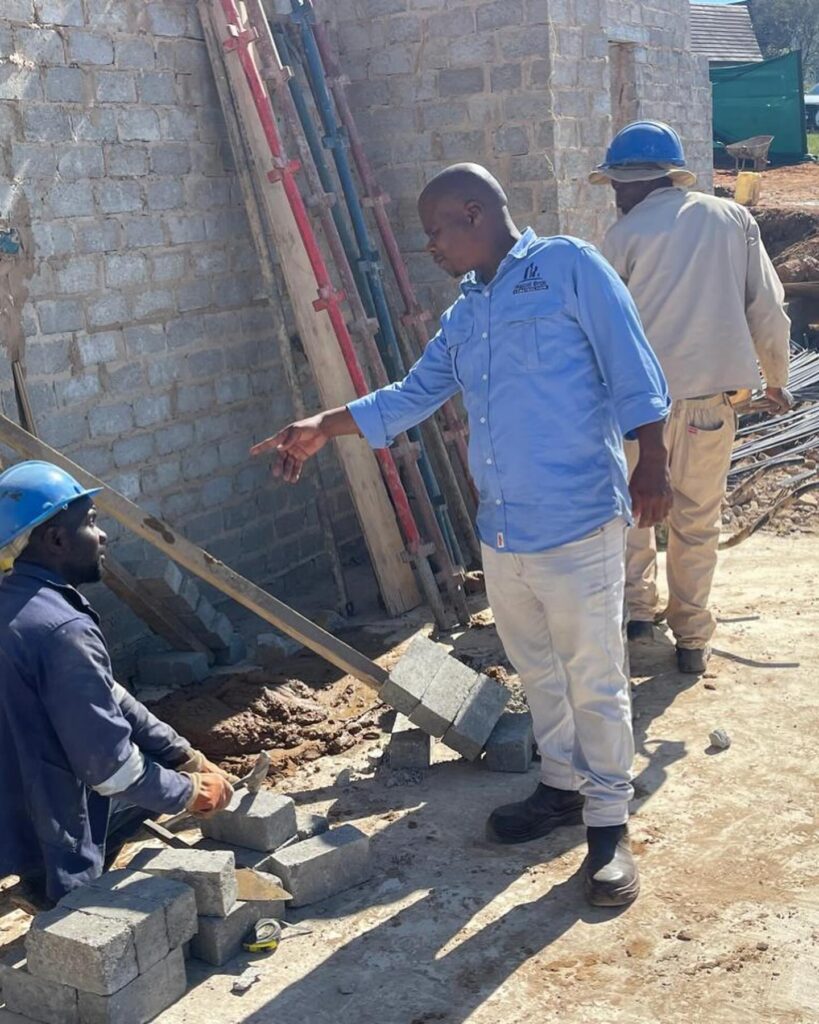
In construction, reputation is built on results. Delivering projects on time, within budget, and to a high standard is essential.
Majozi Bros Construction focused on addressing the exact issues that clients faced. By improving reliability and ensuring quality finishes, the company differentiated itself from competitors.
This consistency helped build trust with clients. Over time, trust translated into referrals and repeat business.
The lesson here is practical. Delivering on your promises is one of the most effective ways to grow a business.
Expanding through strategic partnerships
The addition of Sihle Ndlela marked another important phase in the company’s growth. With experience in marketing and business management, he complemented the technical strengths of the business.
This partnership strengthened the company’s ability to scale. It combined operational expertise with strategic thinking.
Together, they focused on building a brand that not only delivers quality but also communicates its value effectively.
For entrepreneurs, this reinforces an important idea. The right partnerships can unlock new levels of growth.
Transitioning from township projects to luxury estates
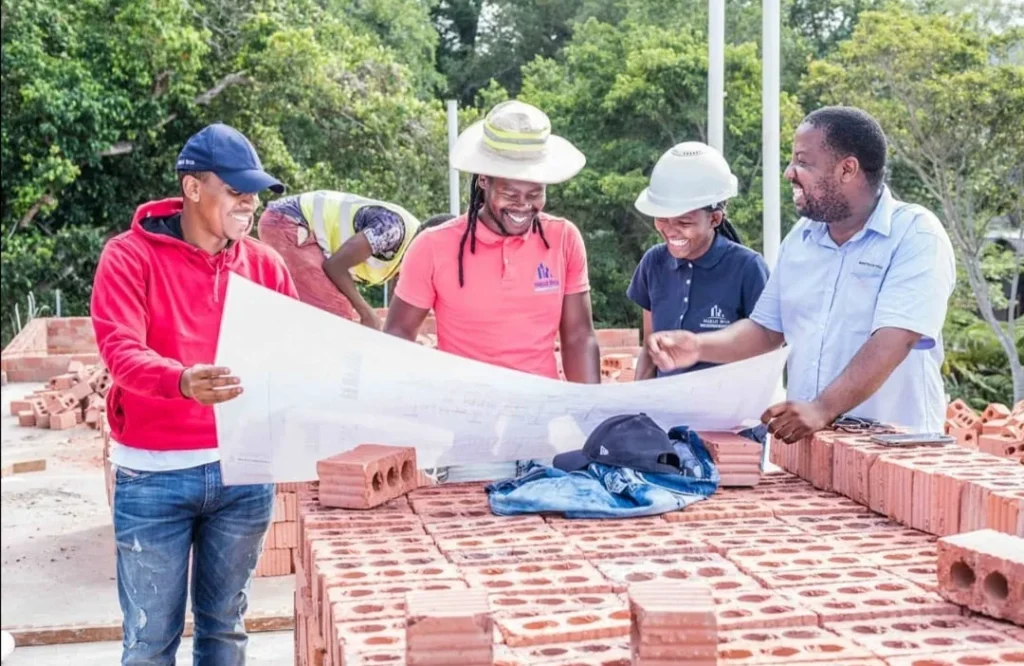
A major milestone in the company’s journey is its expansion from township developments to luxury estates across KwaZulu Natal.
Majozi Bros Construction now builds high end homes in estates such as Cotswolds Downs, Simbithi Eco Estate, Hawaan Forest, and Zimbali. These projects range from R3 million to R30 million and beyond.
This transition reflects both capability and credibility. Moving into premium markets requires meeting higher standards and managing more complex projects.
The shift also elevates the brand. It positions the company as a leading contractor in the luxury segment.
The takeaway here is clear. Growth often involves moving into more demanding markets while maintaining quality.
Building a team with deep industry experience
As the business expanded, it developed a team of professional managers and subcontractors with over 100 years of combined experience in upmarket home building.
This depth of experience strengthens the company’s ability to deliver complex projects. It also ensures consistency across different developments.
Building the right team is critical in construction. Each project depends on coordination, expertise, and attention to detail.
For entrepreneurs, this highlights a key lesson. Scaling a business requires building a team that can maintain your standards.
Creating a brand associated with quality and prestige
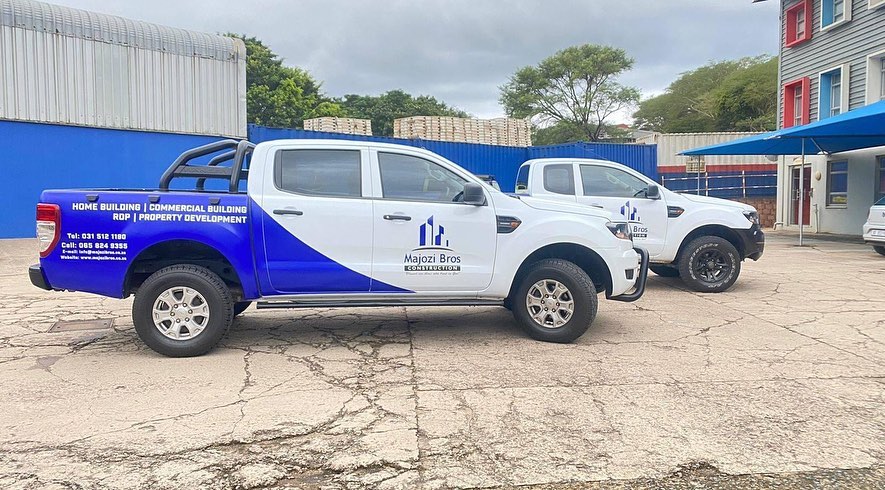
Over time, Majozi Bros Construction has become known as a preferred contractor for high profile clients, including celebrities. This reputation is not accidental.
It is the result of consistent delivery, attention to detail, and a focus on customer satisfaction.
The company’s values, including accountability, excellence, integrity, and professionalism, shape how it operates. These values are reflected in every project.
This alignment between values and execution strengthens the brand.
The lesson here is powerful. A strong brand is built through consistent actions, not just messaging.
Lessons entrepreneurs can apply in real terms
The journey of Majozi Bros Construction offers practical insights for building a successful business.
Start with a strong foundation. Experience and mentorship matter.
Identify gaps in the market. Solve real problems.
Deliver consistently. Execution builds trust.
Form strategic partnerships. Collaboration drives growth.
Scale into new markets. Expansion requires capability.
Build a strong team. People sustain quality.
Align values with actions. Consistency shapes reputation.
Each of these lessons reflects real decisions that shaped the business.
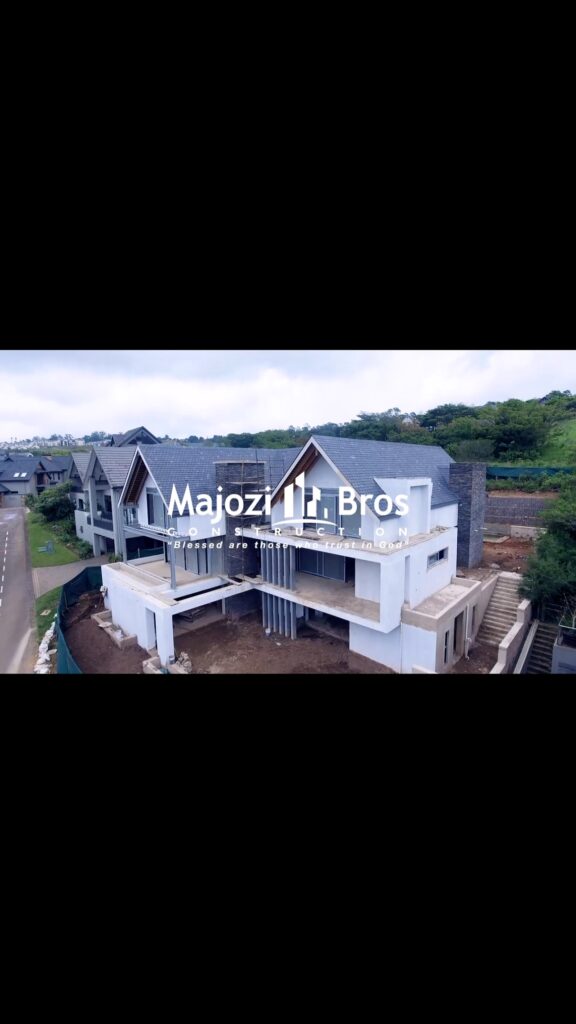
A brand built on vision, discipline, and excellence
Majozi Bros Construction stands as an example of how a focused vision can evolve into a recognised brand. From township developments to luxury estates, the journey reflects steady growth and strategic execution.
By combining technical expertise, strong partnerships, and a commitment to quality, the company has positioned itself as a leader in its space.
For anyone building a business, the message is clear. Find the gap, deliver consistently, and build a brand that people trust.