
Growing Food Brand: The Lessons Behind Razia’s Pickle
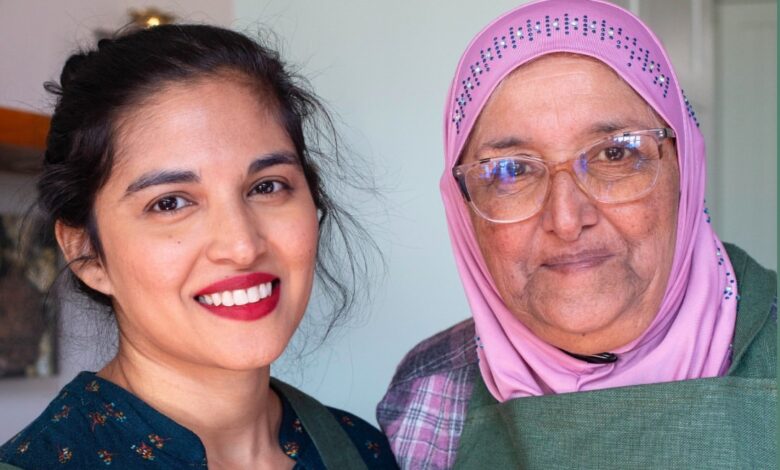
Growing Food Brand: The Lessons Behind Razia’s Pickle. Some businesses begin with a detailed business plan. Razia’s Pickle began with something much more personal: a mother making the Indian-style pickles and sauces that had been part of her family’s pantry for generations.
The business grew from a simple exchange between a mother and daughter into a family-owned venture with ambitions of becoming a staple in South African homes. Along the way, the story brought together heritage, market testing, a career change, product development and the creation of a small team.
Razia’s Pickle is the story of Razia, a 72-year-old retiree originally from Kimberley in the Northern Cape, her daughter Kareema and Fortunate, a former domestic worker who joined the business as Production Manager.
Its journey offers practical lessons for entrepreneurs about starting with what you know, testing demand before scaling, using difficult periods to prepare and recognising when an opportunity has become something worth pursuing full-time.
A Family Tradition Became the Starting Point
Pickles were not a new idea for Razia.
They had been part of her family for generations, and she learned much of what she knows from her own mother, who regularly made large quantities of traditional Indian pickles.
Razia herself had always been a home cook. Her knowledge came from years of preparing food at home rather than from a formal commercial food business.
That background became the foundation of Razia’s Pickle.
For aspiring entrepreneurs, there is an important lesson here. Business opportunities can sometimes be found in skills and knowledge that already exist within a family or community.
Instead of beginning with an unfamiliar concept, Razia’s Pickle began with something Razia already understood deeply.
A New Chapter in Pretoria Created an Unexpected Opportunity
Razia lived in Kimberley her entire life before moving to Pretoria in 2019 to be with Kareema.
The transition was significant. She went from a tight-knit community to living in a security estate where her neighbours were strangers.
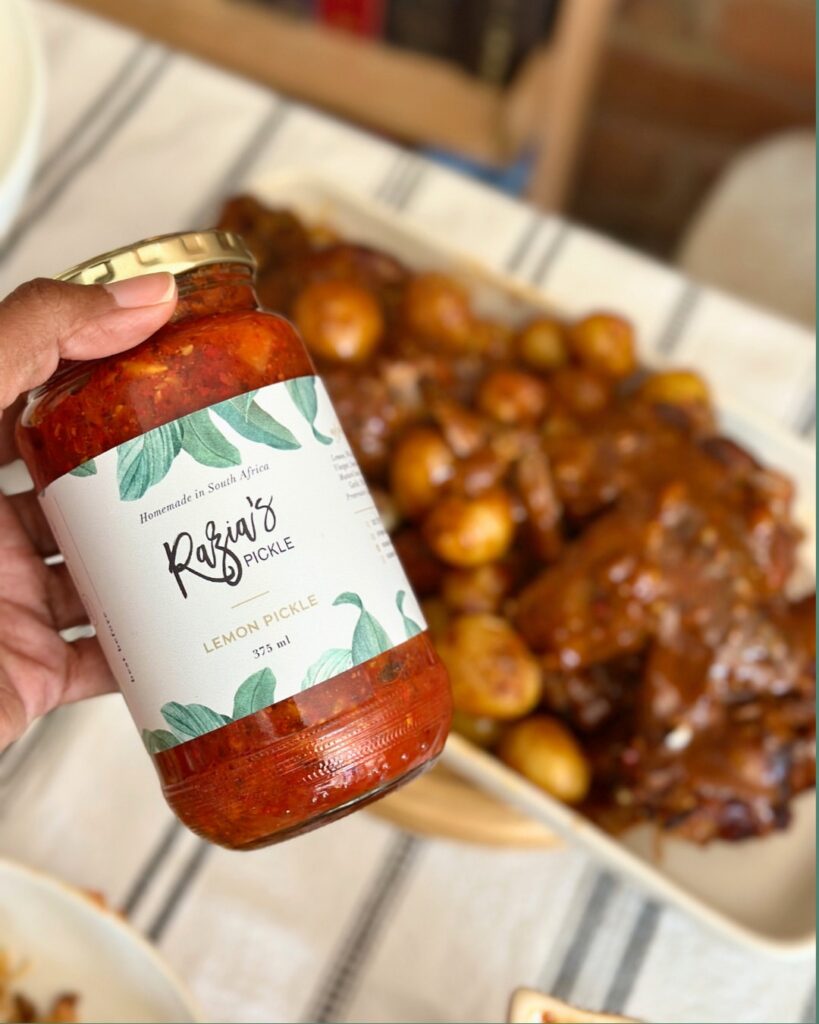
The adjustment brought boredom, and Razia responded by returning to something familiar: making her pickles and sauces.
Initially, the products were prepared for Kareema’s friends and colleagues.
That small decision became the first indication that the family recipes could have commercial potential.
The pickles and sauces were already pantry staples for the family. Once other people tried them, however, the response created a new possibility.
For entrepreneurs, this is a powerful reminder to test an idea with real people. A product does not need to begin with a large launch. Sometimes the first useful market research is simply seeing how people respond when they actually experience what you have created.
Orders Turned Encouragement Into Demand
The response from Kareema’s friends and colleagues was strong enough that the duo began receiving orders.
That changed the nature of the activity. Razia was no longer simply making food for people she knew. There were customers actively asking for more.
The next opportunity came through a small neighbourhood street market.
Again, the response was positive.
That led to a bigger market, followed by an even bigger one.
The progression is important because it shows growth through repeated testing rather than an immediate attempt to build at scale.
For entrepreneurs, the lesson is to pay attention to small signals of demand. One customer may be encouraging. Repeated customers and growing interest can indicate something more substantial.
Using Lockdown as a Period to Prepare
The initial COVID-19 lockdown changed the momentum of the business.
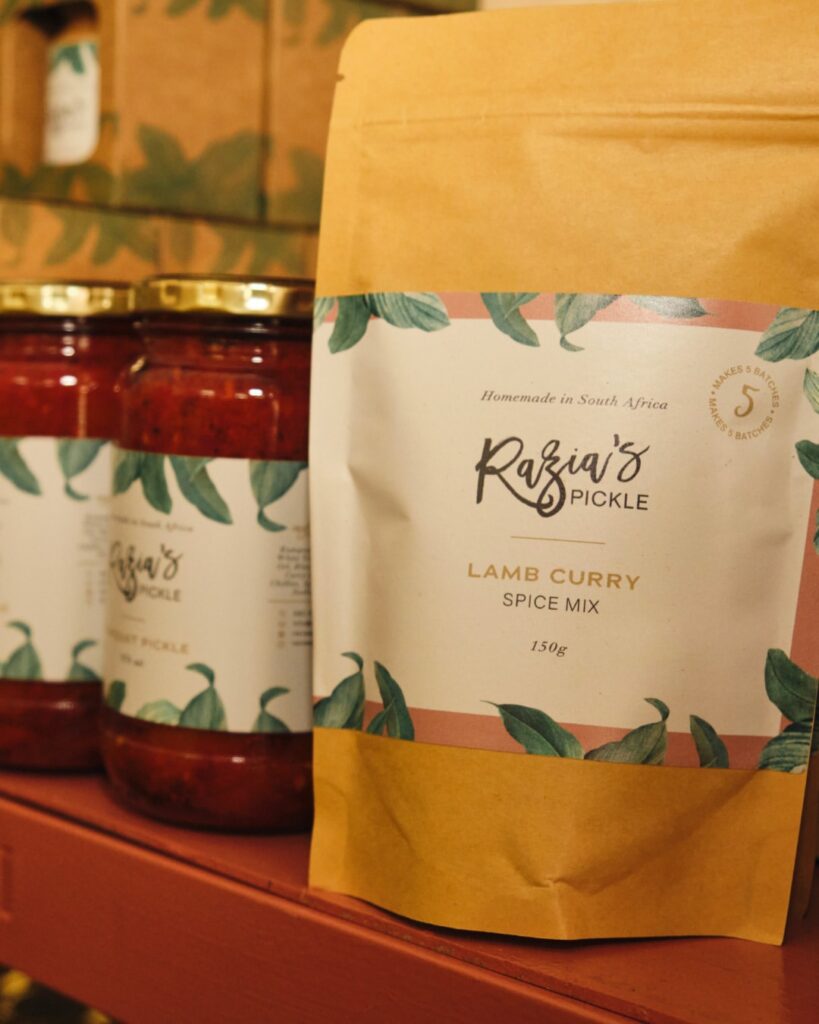
Things became quieter, but the period also gave the team time to work on branding, new products and plans for the future.
This became an important part of the journey.
Instead of viewing the slowdown only as a setback, Razia’s Pickle used the time to prepare for what could come next.
For entrepreneurs, this offers a practical lesson about responding to disruption. When normal trading conditions are interrupted, businesses can use available time to strengthen areas that are often difficult to prioritise during busy periods.
Branding, product development and future planning became areas of focus for Razia’s Pickle during this period.
Kareema Made the Leap Into Business
As restrictions eased, the family venture began showing real promise.
Kareema, who was working full-time as an attorney, discovered a growing passion for the business. She eventually decided to pursue Razia’s Pickle full-time, although she continues to consult.
That decision represents one of the biggest turning points in the brand’s journey.
Moving from a secure professional career into a growing family business requires commitment. In Kareema’s case, the decision was driven by her belief in the potential of Razia’s Pickle and her ambition to make it a staple in South African homes.
For entrepreneurs, the lesson is not that everyone should leave their job to start a business. It is that founders need to recognise when an opportunity has developed enough to justify a deeper commitment.
From Mother and Daughter to a Three-Person Team
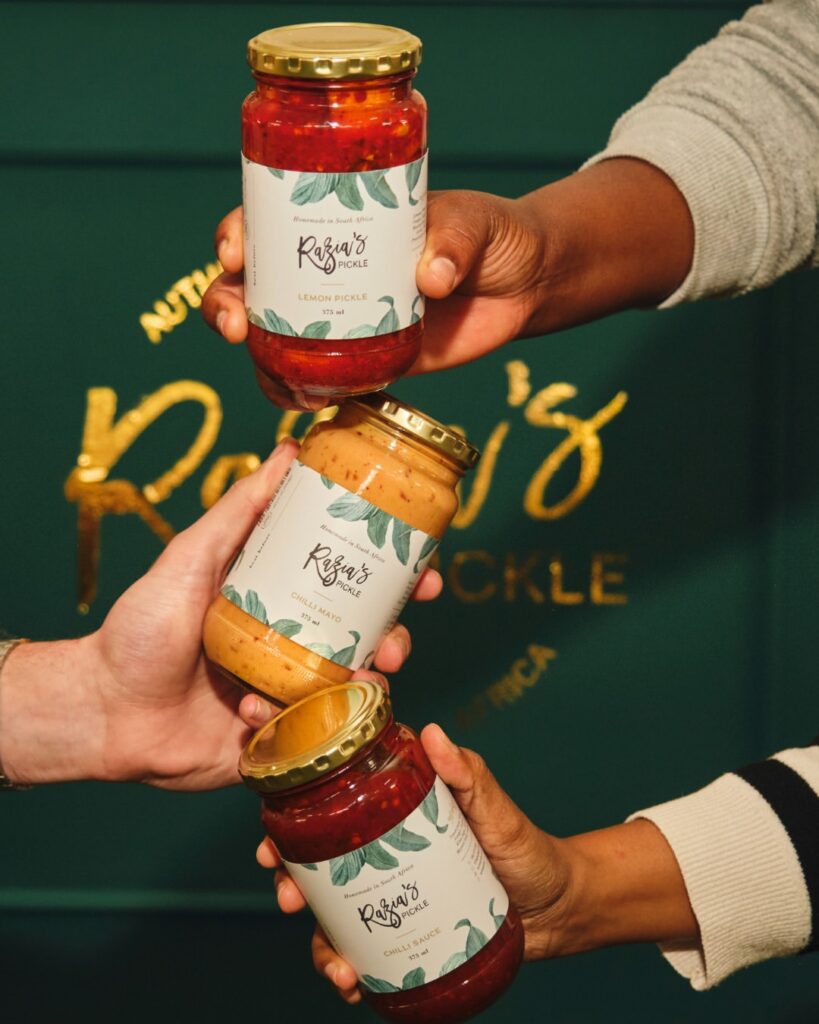
The business later evolved from a mother-daughter operation into a trio with the full-time appointment of Fortunate as Production Manager.
Fortunate had previously worked as a domestic worker and brought a practical, hardworking and ambitious approach to the growing business.
Her role illustrates another important stage in entrepreneurship: recognising when a founder cannot do everything alone.
As production grows, additional skills and capacity become increasingly important.
For aspiring business owners, the lesson is to build a team around complementary strengths. Hiring should not simply be about adding another person. It should be about adding capabilities that help the business move forward.
Different Strengths Create a Stronger Business
The relationship between Razia and Kareema is also central to the brand’s development.
Razia remains more traditional in her recipes and does not feel the need to experiment extensively. Kareema, by contrast, pushes her mother to develop new recipes and product ideas.
That difference creates productive tension.
Razia provides the foundation of traditional knowledge, while Kareema brings a willingness to think outside the box. Fortunate adds practical experience and a can-do attitude.
Together, those different strengths form the team’s own description of a “dream team”.
For entrepreneurs, this is a valuable lesson. Teams do not necessarily need people who think in exactly the same way. Different perspectives can strengthen a business when they work towards the same goal.
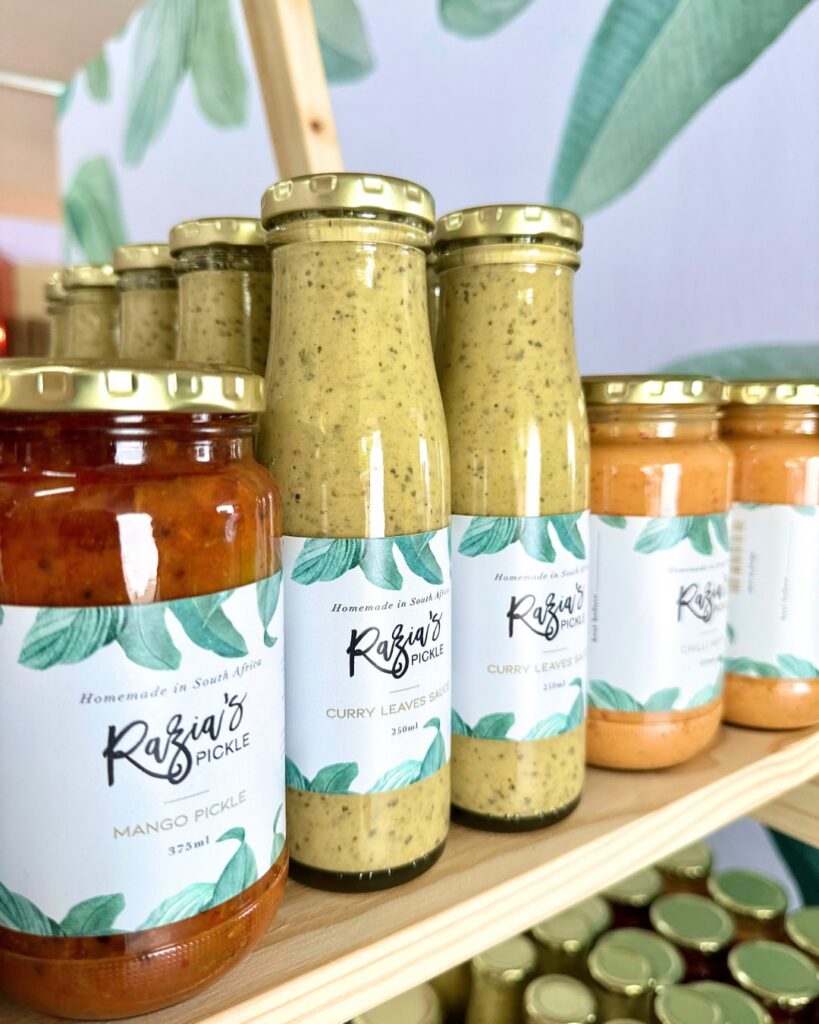
The Lessons Behind Razia’s Pickle
The journey of Razia’s Pickle offers several practical lessons for entrepreneurs.
Start with genuine expertise. Razia’s knowledge came from generations of family pickle-making and years of home cooking.
Test the market gradually. The business moved from friends and colleagues to a small street market and then larger markets.
Use difficult periods productively. During the initial COVID-19 lockdown, the team focused on branding, new products and future plans.
Recognise when an opportunity deserves greater commitment. Kareema’s decision to pursue the business full-time followed growing promise.
Build complementary teams. Razia, Kareema and Fortunate contribute different strengths to the operation.
Most importantly, protect the story behind the product. Razia’s Pickle is rooted in family, heritage and recipes passed from one generation to another, while the younger generation brings fresh ideas and ambition.
The result is a business story that began in a family kitchen and gradually found its way into markets and the hands of paying customers. Razia’s Pickle shows that entrepreneurship can start with something deeply familiar, but growth comes from recognising demand, adapting when circumstances change and bringing the right people together to build what comes next.