
Uber Expands Mobility Options in South Africa With Electric Vehicles
Uber Expands Mobility Options in South Africa With Electric Vehicles. Uber has announced a significant expansion of its mobility offerings in South Africa, introducing its first fully electric service in the country while rapidly growing its low-cost motorcycle taxi segment. The developments mark a strategic shift in how the global ride-hailing platform aims to serve South African commuters, entrepreneurs, and transport operators.
Uber Moto, the company’s motorcycle taxi product, has expanded its footprint across Johannesburg, completing thousands of trips each week. Designed for short-distance travel, the service offers an affordable alternative for commuters moving between work, education institutions, healthcare facilities, and major public transport nodes. As fuel prices, urban congestion, and commuting times continue to challenge riders and operators alike, Uber Moto has become an increasingly viable option for daily mobility.
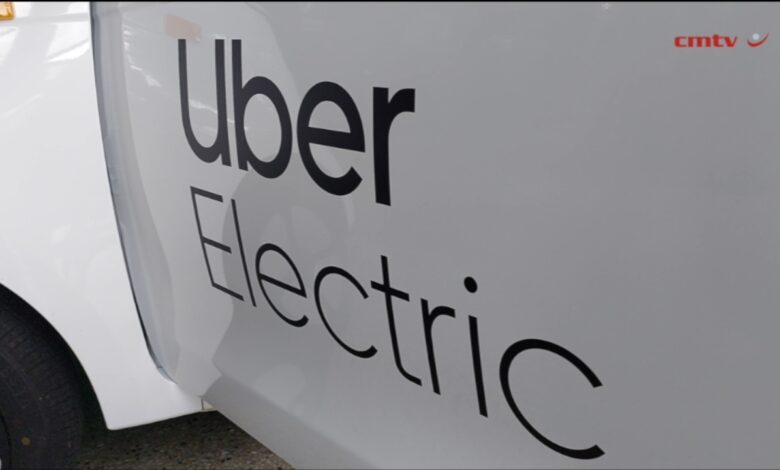
The company has also launched Uber Go Electric, South Africa’s first fully electric mobility product offered on the Uber platform. Operated through fleet partner Valternative, the service introduces electric vehicles (EVs) at accessible price points, aiming to reduce emissions while lowering operational expenses for drivers. For South African entrepreneurs exploring fleet ownership or mobility-as-a-service opportunities, the introduction of EVs represents a new frontier in cost-efficient, future-ready business models.
Uber’s latest offerings are anchored by partnerships that connect digital mobility tools with local transport know-how. Valternative manages the EV fleet and charging infrastructure, ensuring that electric vehicles remain powered and road-ready. Meanwhile, Africa Moova, a network of local taxi associations, supports integration with community-based transport structures. This blended approach enables digital ride-hailing to function in harmony with existing transport operators, updating the ecosystem without disrupting livelihoods.
The expansion aligns with Uber’s broader strategy to make mobility more practical, inclusive, and economically viable in South African cities. By integrating digital route planning, operational support, and predictable earnings for drivers, Uber aims to strengthen both sides of the transport equation: reliable access for riders and improved income security for driver-partners.
Deepesh Thomas, general manager for Sub-Saharan Africa at Uber, emphasised the company’s focus on solutions tailored to local realities. “We’re building mobility that reflects the realities of South Africans. Uber Moto has shown how affordable, reliable movement can open doors for daily commuters, parents, shift workers, and students alike,” he said.
For South African businesses, these developments signal a shift toward greater diversification in urban transport options, with new opportunities emerging in fleet partnerships, EV infrastructure, charging technology, and micro-mobility. Entrepreneurs operating in logistics, eco-friendly mobility, and transport services stand to benefit from the broader adoption of electric and low-cost transport solutions.
As urban mobility continues to evolve, Uber’s expansion contributes to a more dynamic transport landscape, one where digital innovation, affordability, and sustainability play an increasingly central role in how South Africans move, work, and build businesses.