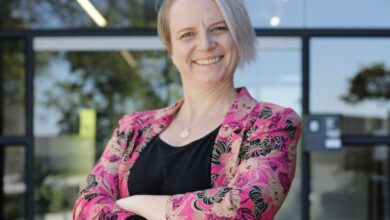
Building EzoXaba Group with Purpose: Interview With Founder, Mandilive Twalo

Building EzoXaba Group with Purpose: Interview With Founder, Mandilive Twalo. In a sector where technical expertise often overshadows social responsibility, Mandilive Twalo represents a new generation of entrepreneurs redefining what sustainable business leadership looks like. As the Founder and Managing Director of EzoXaba Group (Pty) Ltd, Twalo has built an electrical services company grounded not only in operational excellence, but in community upliftment, transparency, and empowerment. Alongside running a growing business, Twalo navigated the demands of academic life, national entrepreneurship competitions, and funding programmes that helped sharpen his vision and strengthen his operational foundations. These experiences have shaped a leadership style rooted in accountability, empathy, and long-term impact. In this interview, Mandilive Twalo reflects on the inspiration behind EzoXaba Group, the lessons learned through adversity, and the importance of integrating purpose with profit. Check it out below!
What inspired you to start EzoXaba Group, and what gap did you initially identify in the electrical services industry?
I was inspired by the need I saw in my community for reliable, affordable, and professional electrical services. Many households and schools in township and rural areas were left vulnerable to unsafe installations because the industry often overlooked them. I identified a gap for a company that could deliver technical excellence while also prioritizing dignity, transparency, and empowerment. That’s how EzoXaba Group was born — to bridge the divide between quality service and community upliftment.
You’ve navigated significant challenges, including the deregistration and re-registration of your company. How did that experience shape you as a founder?
The deregistration was a painful but defining moment. It taught me the importance of compliance, documentation, and resilience. Re-registering the company gave me a second chance to rebuild with stronger systems, clearer policies, and a renewed sense of purpose. That experience shaped me into a founder who values accountability and sees challenges not as setbacks, but as opportunities to grow.
How did you balance being a student while building and managing a growing business?
Balancing both roles required discipline and sacrifice. I created structured schedules, prioritized tasks, and leaned on supportive networks. Being a student sharpened my problem-solving skills, while running the business gave me practical experience. The two roles complemented each other, teaching me how to manage time, stress, and responsibility effectively.
Being named a national finalist in the Allan Gray Makers Inter-College Entrepreneurship Competition is a major milestone. What impact did this have on your confidence and business direction?
That recognition validated my vision and gave me confidence that EzoXaba Group could compete nationally. It opened doors to mentorship and exposure, and it reinforced the importance of scaling responsibly. It shifted my mindset from survival to growth, encouraging me to pursue bigger opportunities and expand into new divisions.

Winning the Ngwekazi Student Entrepreneurship Program provided funding support. How did you strategically use that opportunity to grow EzoXaba Group?
The funding was used to strengthen our operational base — investing in tools, compliance, and outreach. It allowed us to run campaigns like Tenner for Toes, which combined business credibility with social impact. Strategically, I used the opportunity to build trust with suppliers and partners, showing that we could manage resources transparently and effectively.
Your business combines technical services with community-focused initiatives. Why was it important for you to integrate social impact into your model?
For me, business is not just about profit — it’s about purpose. Communities need more than services; they need dignity and empowerment. By integrating social impact, we show that technical expertise can coexist with compassion. Initiatives like Tenner for Toes prove that small interventions can transform lives, while also building trust in our brand.
As a young entrepreneur, what credibility challenges did you face, and how did you overcome them?
Being young meant people often questioned my experience and reliability. I overcame this by being methodical — presenting clear proposals, transparent financial breakdowns, and professional communication. Winning competitions and securing partnerships also helped build credibility. Over time, consistency and delivery proved that age is not a limitation when you lead with integrity.
How has your journey influenced your leadership style and approach to managing teams and projects?
My journey has taught me to lead with vision, inclusivity, and emotional intelligence. I value dignity in communication and ensure that every team member feels empowered. Challenges have made me resilient, while community work has taught me empathy. My leadership style is collaborative, structured, and focused on long-term impact.
What role have mentorship, entrepreneurship programs, or partnerships played in your development as a founder?
Mentorship and programs have been crucial. They provided guidance, exposure, and resources I wouldn’t have accessed alone. Partnerships gave me credibility and helped me scale initiatives. Each mentor and program reinforced the importance of learning, adapting, and building networks — lessons that continue to shape my growth as a founder.
Looking ahead, what is your long-term vision for EzoXaba Group, and what advice would you give to aspiring entrepreneurs navigating similar paths?
My long-term vision is to scale EzoXaba Group across rural Africa, expanding into manufacturing and green energy while remaining community-focused. I want the company to be trusted not only for technical services but also for its social impact.
My advice to aspiring entrepreneurs is: build with purpose, stay resilient through challenges, and always prioritize transparency. Success is not just about profit — it’s about the difference you make in people’s lives.