
Silki Skincare’s Approach to Inclusive Beauty and Customer Connection

Silki Skincare’s Approach to Inclusive Beauty and Customer Connection. The skincare industry has no shortage of brands competing for consumer attention. From elaborate beauty routines to products targeting specific skin concerns, customers are presented with an expanding range of choices. For Silki Skincare, the opportunity lies in making effective skincare more accessible, inclusive and straightforward.
Founded by co-founders Mena and Martin Kooger, the proudly South African brand was established around a simple idea: everyone deserves access to high-quality skincare, regardless of their skin tone, type or concern.
This belief became the foundation of Silki’s identity and its approach to product development. Rather than treating skincare as a one-size-fits-all category, the brand places different skin needs and experiences at the centre of its philosophy.
The founders describe their approach as a fusion of nature and science, supported by research, innovation and a commitment to clean, scientifically backed ingredients.
For aspiring entrepreneurs, one of the first lessons from Silki’s journey is the importance of building a business around a clearly defined purpose. Identifying an unmet need or an overlooked customer group can provide a stronger foundation than simply entering a popular industry with another similar product.
In Silki’s case, inclusivity is not presented as an occasional marketing message. It is part of the reason the business exists.
Mena and Martin Kooger: Combining Personal Involvement With Business Vision
An important part of Silki’s identity is the involvement of its co-founders in different aspects of the business.
Mena Kooger takes a hands-on role, participating in formula testing and maintaining connections with the brand’s community. Martin Kooger contributes the vision and drive behind the ambition to establish Silki as a trusted South African skincare brand.
This combination brings together product involvement and a broader business outlook.
For Mena and Martin, the business is personal. They describe every product, decision and customer interaction as reflecting their commitment to care, quality and creating skincare that makes a difference.
This founder-led approach offers an important lesson for entrepreneurs. A business can benefit when its founders remain connected to the customer experience and the products being developed.
Direct involvement also provides opportunities to understand customer concerns, listen to feedback and ensure that the original purpose remains visible as the business develops.
For a consumer brand, particularly one operating in the skincare industry, that connection can help create a more recognisable and consistent identity.
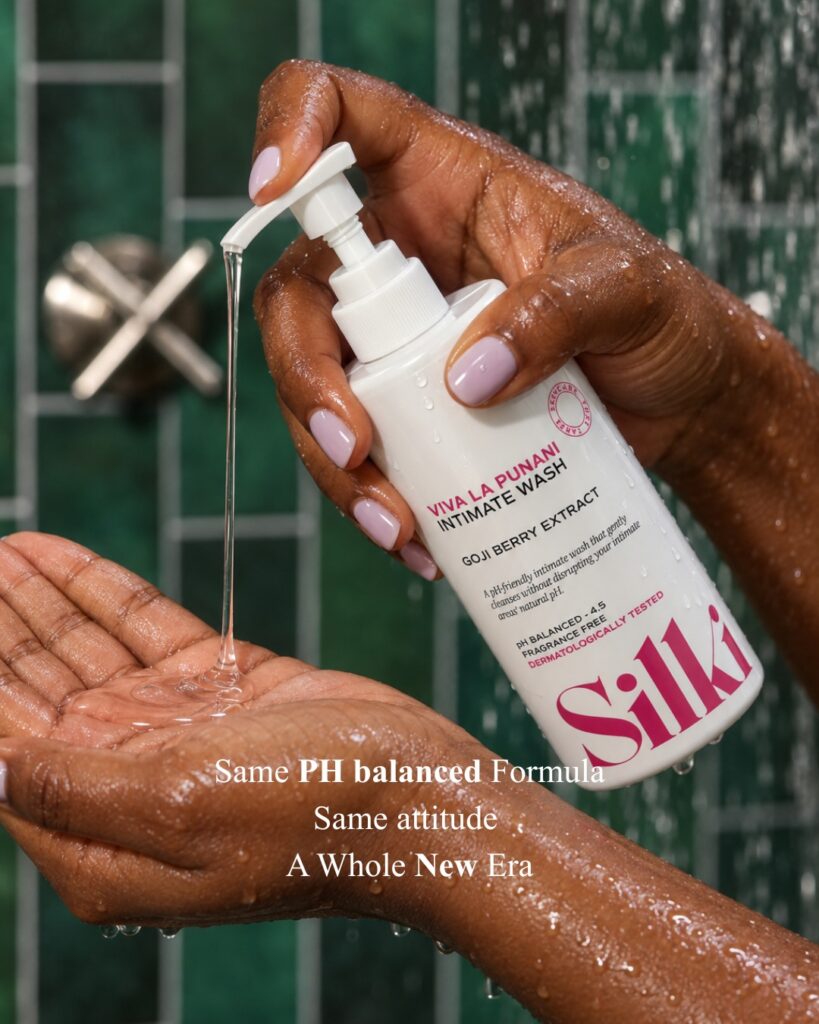
Science and Nature at the Centre of Product Development
Silki’s product philosophy is built around combining nature and science to create effective skincare solutions.
The brand highlights continuous research, innovation and the use of clean, scientifically backed ingredients as important elements of its development process.
This positioning is significant in a market where consumers are increasingly exposed to ingredient information and want to understand what they are putting on their skin.
Rather than relying exclusively on beauty trends, Silki communicates an emphasis on thoughtful formulations designed to address different skincare needs.
The lesson for entrepreneurs is that product development should have a clear direction. A brand needs to understand what it wants its products to achieve and how that purpose translates into decisions about formulation and quality.
Silki’s emphasis on research and innovation gives its product philosophy a foundation beyond appearance and packaging. It also creates an opportunity to educate consumers about the thinking behind their skincare choices.
For businesses introducing products in competitive markets, communicating the reasoning behind product development can help customers understand what distinguishes the offering.
Turning Inclusivity Into a Customer-Centred Brand Strategy
One of Silki’s defining strengths is its emphasis on serving people with different skin tones, types and concerns.
The brand describes its community as being made up of real people with real skin, placing individual experiences at the centre of its communication.
This approach extends into how Silki wants to engage with customers. Through honest conversations, education and shared skincare journeys, the business aims to create an environment where consumers feel recognised and supported.
This is an important distinction in skincare marketing. Rather than communicating exclusively through product claims, a brand can build stronger relationships by helping customers understand their own needs and make informed choices.
Silki’s community-driven philosophy offers a practical lesson for entrepreneurs: customers should not only be viewed as people who purchase products. They can also become participants in the development of a brand’s identity.
Listening to customers provides businesses with an opportunity to understand concerns, identify areas for improvement and communicate in ways that reflect the experiences of their intended market.
For Silki, celebrating diversity and encouraging conversations about different skin journeys are central to this relationship-building strategy.

Local Partnerships and Sustainability as Business Priorities
Silki’s identity as a proudly South African brand is reinforced by its commitment to collaborating with local suppliers and prioritising sustainability.
These priorities connect the business to a broader local community while reflecting its stated intention to approach skincare responsibly.
Working with local suppliers is particularly relevant for entrepreneurs building consumer brands in South Africa. Local business relationships can form part of a company’s operational identity, creating connections between the brand and the wider business environment.
Sustainability also gives Silki another dimension to its positioning. The brand identifies responsible practices as an important consideration alongside product quality and customer care.
The broader lesson is that brand values become more meaningful when they influence actual business decisions.
Entrepreneurs should consider how their choices around suppliers, product development and everyday operations reflect the principles they communicate to customers.
For Silki, local collaboration and sustainability are presented as part of its wider commitment to building a skincare business with purpose.
Education as a Way to Build Customer Confidence
Another important element of Silki’s strategy is customer education.
The brand wants consumers to make informed skincare choices, using conversations and educational engagement to support its community.
This approach recognises that purchasing skincare can involve uncertainty. Customers may have questions about ingredients, formulations and which products are appropriate for their particular concerns.
By making education part of its brand philosophy, Silki creates an opportunity to build relationships beyond individual transactions.
For entrepreneurs, this offers a valuable marketing lesson. Educating customers can be an effective way to establish credibility and help people understand a product before making a purchasing decision.
Instead of relying entirely on promotional messages, businesses can provide useful information that addresses genuine customer questions.
In the skincare industry, where consumers are often looking for clarity, this approach can make the brand’s communication more meaningful.

The Business Lessons Behind Silki Skincare
Silki Skincare’s journey under Mena and Martin Kooger offers several lessons for entrepreneurs looking to establish a consumer-focused business.
First, a clear purpose can shape an entire brand. Silki’s commitment to inclusive skincare provides a consistent foundation for its product philosophy and customer communication.
Second, founders should remain connected to their products and customers. Mena’s involvement in formula testing and community engagement demonstrates the importance the business places on personal participation.
Third, differentiation requires more than attractive branding. Silki combines its emphasis on science, nature, research and innovation to communicate a distinct approach to skincare.
Finally, building a community requires listening as much as promoting. Through education, honest conversations and an appreciation of different skin experiences, Silki aims to create relationships that extend beyond product purchases.
Ultimately, Silki’s story is about building a skincare brand around the belief that everyone deserves to feel confident and supported in their skin.
Its approach brings together inclusive product thinking, founder involvement, local collaboration and customer education. For aspiring entrepreneurs, the central lesson is that a meaningful brand begins with understanding who it wants to serve and ensuring that its products, decisions and relationships reflect that commitment.