
How Peter Nyathi Built Tropical Mushrooms into a Leading Supplier and What Entrepreneurs Can Learn
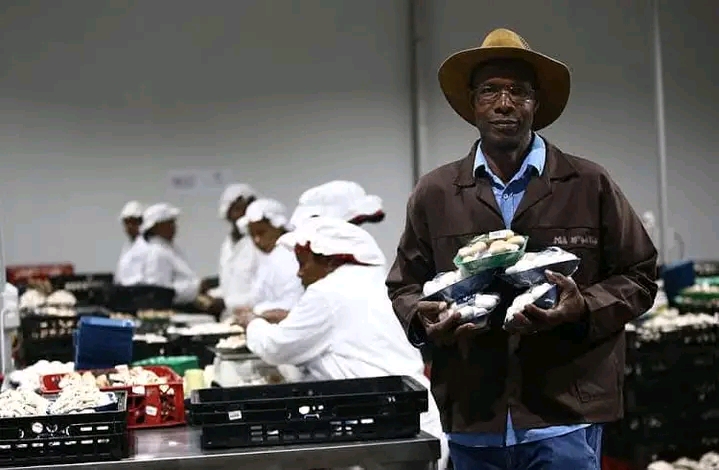
How Peter Nyathi Built Tropical Mushrooms into a Leading Supplier and What Entrepreneurs Can Learn. Peter Nyathi began his journey in agriculture as a farm worker at Denny Mushrooms, learning the ropes by hands on experience before ever owning land. In 1999 he founded Tropical Mushrooms, branching out on his own after years of observing and absorbing the science, labour and discipline needed in mushroom farming.
Turning Points That Defined Growth
- Securing Market Access: A major turning point came when Tropical Mushrooms became a supplier to Shoprite & Checkers in 2016. That contract opened doors to supply hundreds of stores.
- Partnerships and Financial Support: Nyathi’s ability to tap funding through Absa’s Enterprise and Supplier Development (ESD) programme was critical. Support allowed him to expand capacity, double production units, and increase staff.
- Employee Ownership: In 2005 Nyathi established an employee trust, initially giving workers 18% shareholding. By 2013 the trust’s share increased substantially. This allowed employees to share in profits, enhancing loyalty and morale.
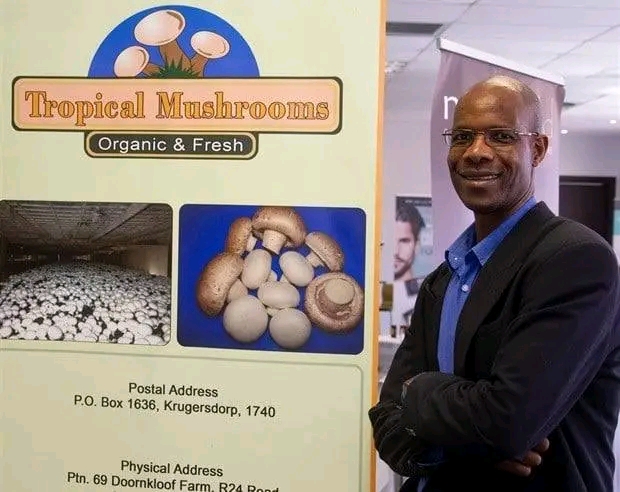
Growth, Capacity and Operations
Tropical Mushrooms operates on a 19 hectare farm in the Magaliesberg region. It now supplies mushrooms to over 350 Shoprite, Checkers, and Pick n Pay stores in multiple provinces including Gauteng, Mpumalanga, Limpopo, Free State, and North West. It employs about 175 people, many on variable contracts to match production cycles.
In 2017 the company had sales to Pick n Pay of over R11 million for produce for over 330 stores in inland regions. Earlier, in 2007 the first full year supplying Pick n Pay yielded around R2.5 million.
Challenges and How They Were Overcome
- Funding and Capital Constraints: Nyathi spent three and a half years seeking investment early on. Without strong financial backing the farm could not scale. He eventually secured backing from Absa and other partners.
- Market Volatility and Price Competition: Early supply contracts were volatile. Prices fluctuated and competition squeezed margins. Nyathi responded by focusing on quality, consistency, and securing large retail contracts that valued reliability.
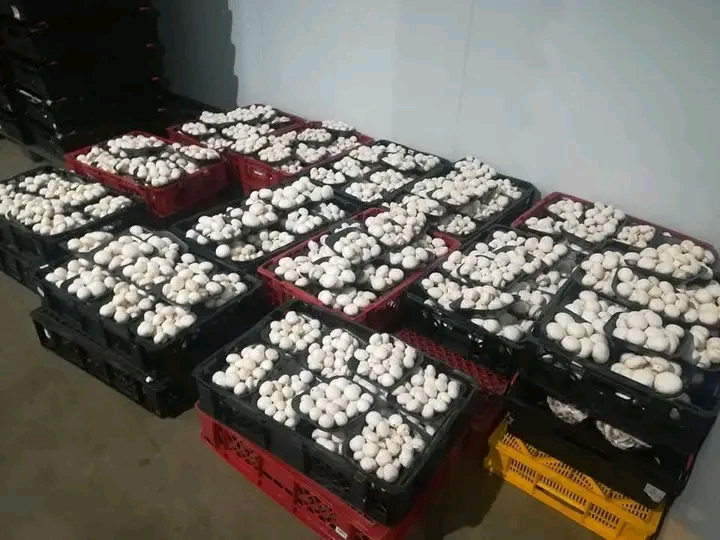
- Production Challenges: Mushroom farming is scientifically demanding, constant conditions, substrate quality, spawn quality, managing supply chain delays. Tropical Mushrooms had to build internal expertise and invest in systems to maintain consistent supply.
—
Strengths That Drove Success
- Deep Industry Knowledge: Nyathi’s early experience, including his role at Denny Mushrooms and his education (Agricultural Economics), gave him credibility and insight.
- Strong Retail Partnerships: His alignment with major retailers like Pick n Pay, Shoprite & Checkers ensured steady demand and visibility. Once the retail channels believed in his quality, scaling became easier.
- Employee Participation: The employee trust and shared profit structure built strong internal alignment. Employees had stakes in the success, which helped with productivity, loyalty, and shared growth.
Lessons Entrepreneurs Can Apply
| Lesson | Application |
|---|---|
| Build expertise before scale | Learn as much from your field as possible, whether working as an employee or trainee, before launching your venture. |
| Secure credible anchor clients | Large retail contracts or stable customers reduce uncertainty and provide a foundation for growth. |
| Seek funding strategically | Many businesses stall due to capital constraints. Explore grant programs, supplier development, and institutions that support small/black-owned farmers. |
| Include employees in your success | Shared ownership or profit sharing builds loyalty and can help scale operations more sustainably. |
| Maintain product and supply consistency | In perishables like mushrooms, delays or poor quality mean lost customers. Ensure systems for quality control and reliable output. |
Looking Forward
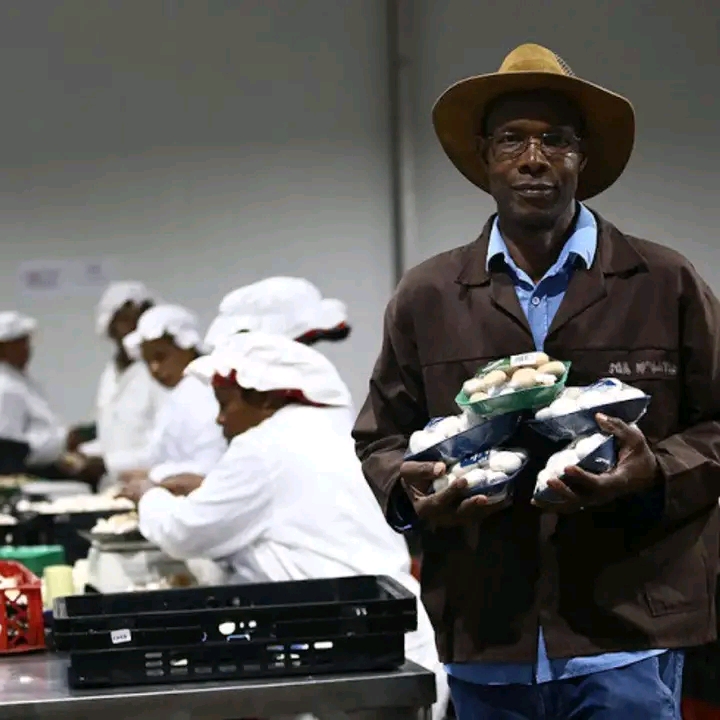
Tropical Mushrooms continues to expand its capacity, reportedly targeting another 25% increase with ongoing support from retailer partners and financing institutions.
Nyathi also speaks publicly about increasing mushroom consumption in South Africa, promoting health benefits and pushing for industry growth. He sees mushroom farming not only as a business but also as a driver of community employment and food nutrition.