
Setšong Tea Crafters: How Retang Phaahla Turned Indigenous Heritage into an Award-Winning Brand
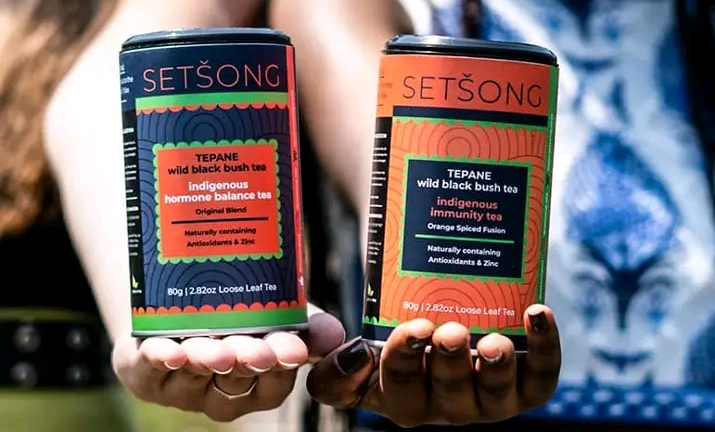
Setšong Tea Crafters: How Retang Phaahla Turned Indigenous Heritage into an Award-Winning Brand. In the rural landscapes of Limpopo, a story of innovation and heritage is being written. Retang Phaahla, founder of Setšong Tea Crafters, saw more than just tea leaves growing in the fields of Sekhukhune. She recognized an opportunity to connect South Africa’s indigenous knowledge with modern markets, creating a brand that not only celebrates cultural heritage but also stimulates rural economies.
Setšong Tea Crafters is more than a tea company. It is an agri-business that collaborates with rural cooperatives to cultivate and commercialize indigenous teas like Tepane Tea and Diya Tea. These teas, consumed for generations by the Bapedi people, are now finding their place on shelves as premium products with both rich heritage and proven health benefits.
Lesson #1: Building a business rooted in culture and heritage creates a product with authenticity that cannot be replicated.
Turning Tradition into Opportunity
South Africa is the third most biodiverse country in the world. Yet much of its natural wealth has been overlooked in mainstream industries. Phaahla saw untapped potential in the traditional teas passed down through rural elders, who understood their health benefits and cultural value.
By commercializing these teas, Setšong not only preserved indigenous knowledge but also gave it a modern platform. This innovative approach turned heritage into opportunity, transforming what was once local consumption into a globally competitive product.
Lesson #2: Entrepreneurs who identify overlooked resources can unlock powerful new markets.
Building a Business with Community at its Core
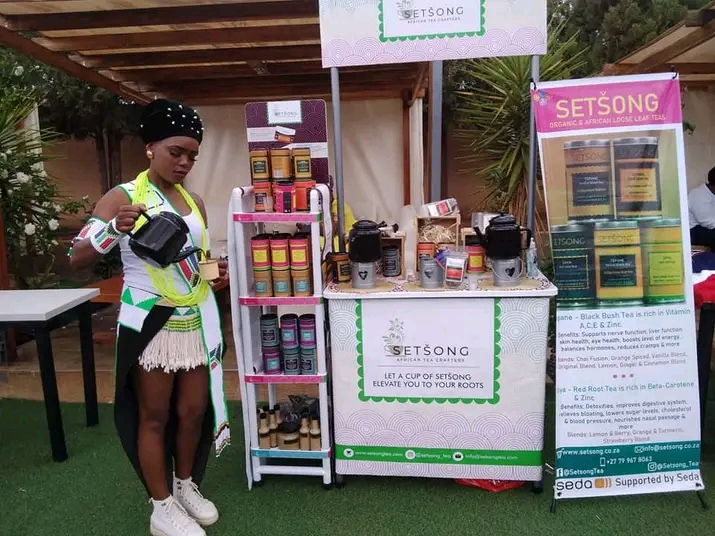
From the beginning, Setšong Tea Crafters has operated as more than a profit-driven company. Working in collaboration with rural cooperatives developed by Siyaphila Youth Support Services, the business has already created 20 jobs in rural Sekhukhune.
This model ensures that the benefits of commercialization are shared widely, giving rural communities a stake in the success of the brand. It has also positioned Setšong as a socially conscious company, making it attractive to modern consumers who value ethical sourcing and sustainability.
Lesson #3: Embedding community development into your business model can strengthen both brand reputation and impact.
Strategic Visibility through Awards and Recognition
Setšong Tea Crafters’ innovative approach has not gone unnoticed. The brand has won multiple awards, including:
- Most Progressive SMME by the Johannesburg Chamber of Commerce – Global Business Accelerator
- Bio-Entrepreneur of the Year by AfricBio
- Top Female Run Enterprise at the SA Innovation Summit – SEDA Pitch and Perfect Competition
- 2nd Runner Up in Agro-processing at the Eskom Business Investment Competition
- Food Lover’s Market Seeds of Change Winner 2022
These accolades did more than honor the brand, they amplified its visibility, opened doors to new markets, and built credibility. For a business rooted in rural Limpopo, such recognition positioned Setšong as a national leader in agri-business innovation.
Lesson #4: Awards and recognition are powerful marketing tools that validate a brand and attract new opportunities.
Expanding Horizons with Unique Selling Points
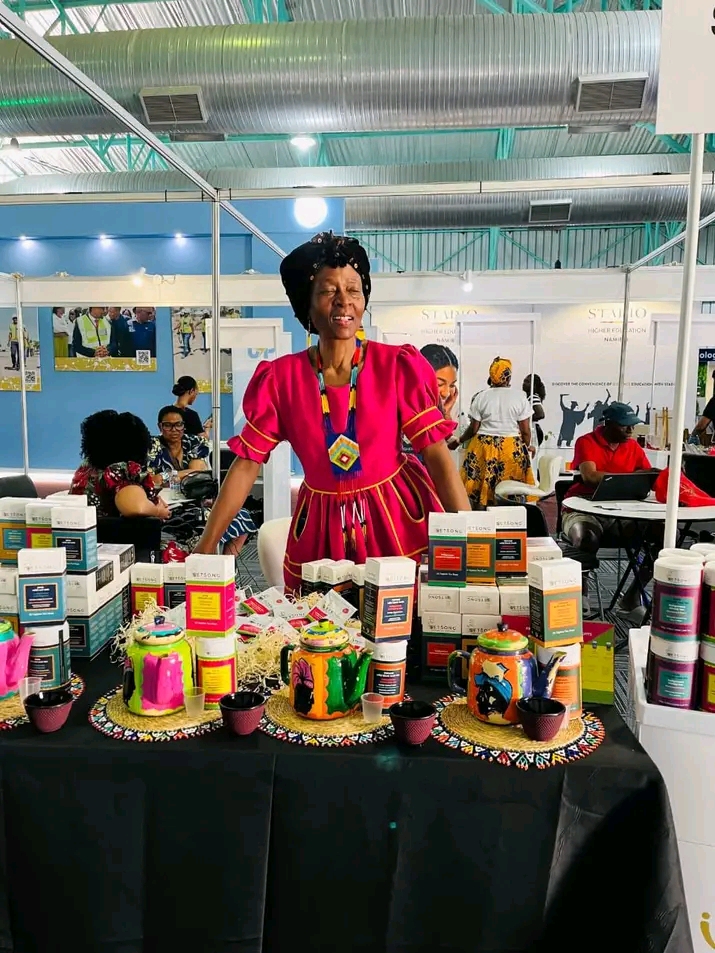
What makes Setšong teas stand out in a competitive beverage industry is their uniqueness. Unlike globally dominant varieties such as rooibos and black tea, Tepane and Diya teas carry distinctive taste profiles and superior health benefits. This differentiation gives the brand a strong competitive edge.
By highlighting both the cultural story and the health benefits, Setšong positioned itself in a premium category, appealing to consumers who are increasingly drawn to authenticity and wellness.
Lesson #5: A clear and unique selling proposition is critical in carving out space in competitive industries.
Overcoming Challenges with Innovation
Building an indigenous tea brand came with its share of challenges. Convincing modern consumers to embrace lesser-known teas required creative storytelling and strong marketing. Establishing production capacity in rural areas also demanded investment in skills and infrastructure.
Yet, Phaahla turned these hurdles into strengths. By training rural cooperatives, Setšong created a skilled workforce while ensuring authenticity in sourcing. By emphasizing storytelling, the brand connected with consumers on an emotional level.
Lesson #6: Challenges can be transformed into brand-defining strengths when approached with innovation and persistence.
Brewing the Future
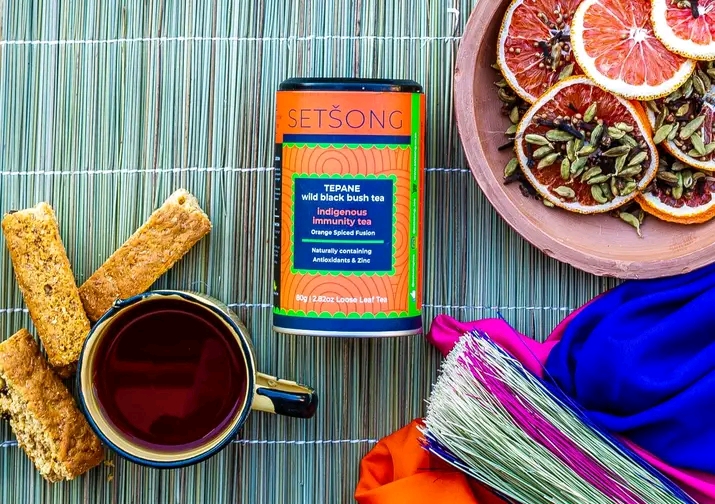
Setšong Tea Crafters is still expanding its footprint, but its foundations are solid. By blending heritage with strategy, culture with commerce, and community with entrepreneurship, Retang Phaahla has created a model for how rural-based businesses can achieve global recognition.
The brand’s journey highlights a powerful truth: success in business is not just about profit. It is about creating value for communities, preserving heritage, and finding unique ways to connect with consumers.
Lesson #7: True growth comes from businesses that balance purpose and profit.
Conclusion: Lessons for Aspiring Entrepreneurs
The rise of Setšong Tea Crafters offers timeless lessons for entrepreneurs: build on authenticity, leverage community, seek visibility through recognition, and carve out uniqueness in crowded markets. Above all, stay rooted in purpose.
For aspiring entrepreneurs, Setšong is proof that the greatest business opportunities often lie within the traditions and resources we already know, waiting to be reimagined for today’s world.