
Rising Thread: How MaXhosa Africa Wove Cultural Identity into Global Success

Rising Thread: How MaXhosa Africa Wove Cultural Identity into Global Success. When Laduma Ngxokolo launched MaXhosa Africa in 2010, his ambition reached far beyond knitwear. He aimed to re-imagine traditional Xhosa beadwork, colour and symbolism into luxury knitwear that speaks to African heritage while commanding global markets. Born in the Eastern Cape and later trained in textile design, Laduma recognised a gap: while African textiles were rich in culture, few brands translated that into premium, contemporary fashion.
Building the Brand Identity
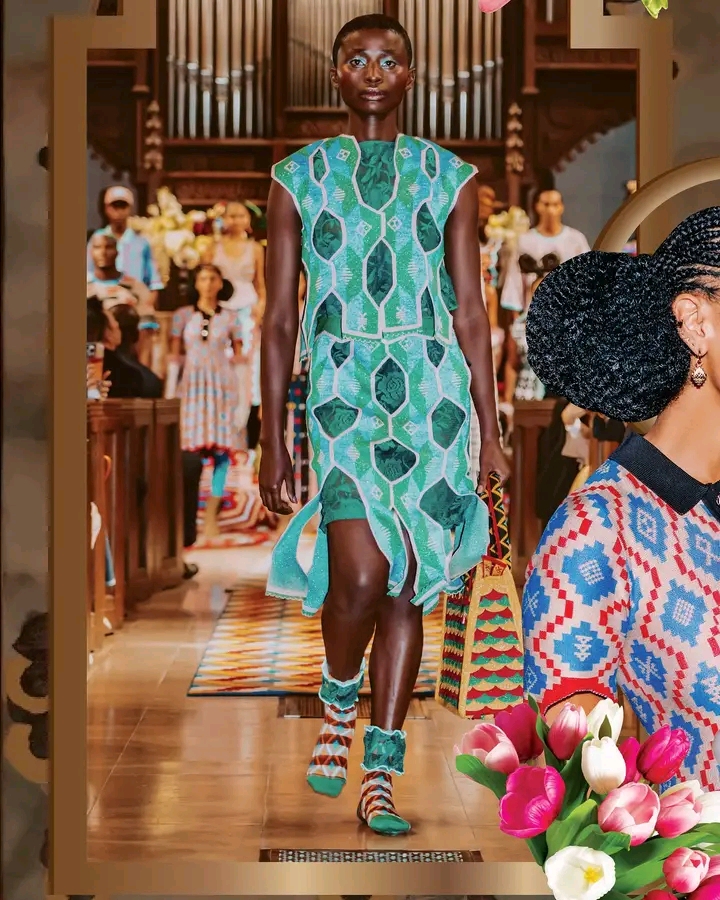
From the outset, MaXhosa Africa landed on two strategic pillars: premium quality and cultural authenticity. The brand sources local mohair and wool, produces knitwear in South Africa, and weaves Xhosa motifs into each piece. This authenticity connected deeply with both local and international audiences. Unlike fast-fashion trends that borrow culture superficially, MaXhosa built its story into every stitch.
Another key strategy was maintaining manufacturing control in Africa. While many apparel brands outsource production, MaXhosa insisted on local production, even when it raised costs. That decision reinforced its “Made in Africa” luxury value and protected brand integrity.
Milestones and Turning Points
In the early years, MaXhosa focused on establishing its luxury credentials. When Laduma’s student work won seed funding and recognition, it gave the brand an early boost. By about 2018, MaXhosa had acquired its own knitwear factory, an important milestone in scaling production and safeguarding quality.
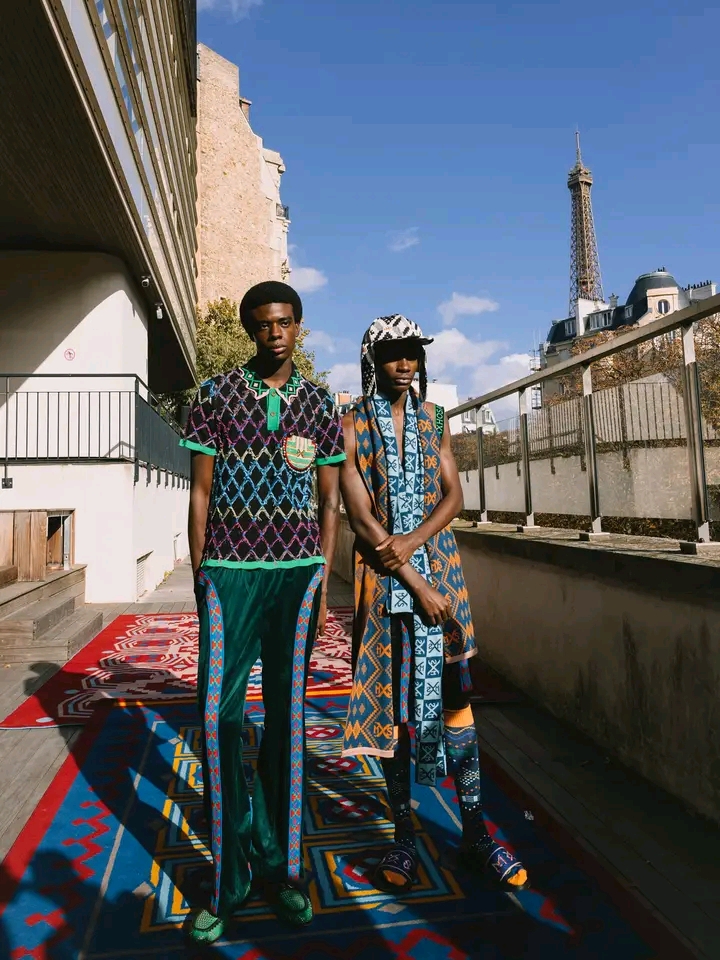
International exposure became the next major turning point. The brand showcased at major platforms like Paris Fashion Week and secured a foothold in global luxury markets, elevating its brand status and widening its footprint.
More recently, MaXhosa confronted a significant challenge: counterfeiting. Laduma publicly highlighted the rampant sale of fake MaXhosa garments and joined an alliance of designers to protect intellectual property. This challenge underscored the value the brand had built and the need to defend it.
Strategic Marketing & Market Opportunities
MaXhosa’s marketing strategy leaned into storytelling rather than generic advertising. Each collection draws from heritage; each piece connects to culture. Media coverage emphasised the brand’s African luxury position, bridging heritage and modernity.
Targeting both affluent South Africans and diasporic markets gave MaXhosa a dual opportunity. While luxury wear from Africa was rare, MaXhosa offered exclusivity plus heritage, which appealed globally. The brand’s choice to open flagship stores and show abroad reinforced that positioning.
By controlling local manufacturing and narrative, MaXhosa also avoided being a passive supplier, it became a cultural icon. This strength allowed it to command premium pricing and build loyalty.
Challenges Overcome and Resilience
Scaling a luxury fashion business in South Africa came with obstacles. Access to locally-suitable production machinery was limited, raw material supply (especially mohair) was difficult for a small business, and investment pressure often pointed toward cheaper offshore manufacturing. In response, MaXhosa held firm to its strategy, investing in local manufacturing capacity and reinforcing brand authenticity.
Counterfeiting represented another serious threat, not just to sales but to brand integrity and job creation. MaXhosa’s response included joining forces with others to protect African designers, turning a challenge into a strategic stand for industry growth.
Strengths that Fueled Growth
Several strengths stand out in MaXhosa’s narrative:
- Cultural authenticity: The designs are deeply rooted in heritage, not superficial.
- Quality and luxury positioning: High-end materials and construction enable premium pricing.
- Manufacturing control: Local production ensures supply-chain integrity and brand consistency.
- Global vision anchored locally: MaXhosa succeeded internationally while remaining proudly South African.
- Brand advocacy: The founder’s personal story, values, and activism added depth to the business beyond fashion.

Actionable Lessons for Entrepreneurs
- Leverage heritage as competitive advantage: When your product taps into culture or identity, the story becomes part of the value.
- Control strategic parts of your value chain: Even if outsourcing looks cheaper, doing key parts yourself can sustain brand integrity.
- Position for luxury not just mass: By aiming higher, you often create more margin, stronger brand equity.
- Turn challenges into strategic assets: MaXhosa’s fight against counterfeiting reinforced its commitment to quality and jobs, making it a story, not a setback.
- Expand deliberately: International exposure matters. But first build reputation at home, then scale outward.
- Build brand beyond product: MaXhosa did not sell only knitwear, it sold identity, craftsmanship, and culture.
Looking Ahead: Growth With Purpose
Today MaXhosa Africa continues to expand retail presence and remains the subject of international interest. As African luxury brands gain recognition, MaXhosa stands as a model of how culture, quality and business acumen combine. The brand also points toward an important insight: success is unlikely if you imitate others. It comes when you innovate from within.