From Pizza to Streetwear: Jarred Wade on the Vision Behind RP Knead
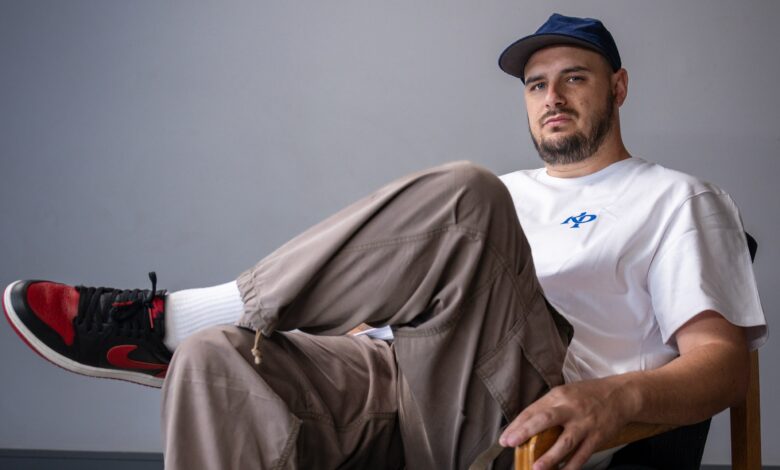
From Pizza to Streetwear: Jarred Wade on the Vision Behind RP Knead. Roman’s Pizza is taking its brand beyond the kitchen with the launch of RP Knead, a streetwear label inspired by the everyday moments and experiences associated with the pizza brand. Through its debut collection, Drop 001: First Knead, the label combines graphic-led designs, limited-edition releases and locally produced garments to connect with a younger generation of South African consumers. In this interview, Jarred Wade, designer and Head of Studio at RP Knead, discusses the strategy behind the move into fashion, the creative thinking and research that shaped the first collection, the importance of local craftsmanship and the ambition to establish RP Knead as a recognised name in South African streetwear. Check it out below!
1. What inspired the move into fashion, and how does it fit the Roman’s strategy?
Roman’s Pizza has always been part of people’s lives: the Friday order, the after-church lunch, the school birthday parties. All living as a Roman’s Moment. People already wear the brand in their heads. RP Knead gives them something to wear on their backs. Every design comes from Roman’s Pizza itself: the delivery runner, the stacked boxes, the slice. So, the label grows from the pizza brand. For Roman’s Pizza, it’s a way to stay close to a younger audience outside the store, and to give regular customers a reason to wear the brand when they’re nowhere near a pizza. Every Roman’s Pizza customer has a story to tell about the first time they had Roman’s Pizza, which store they first visited so RP Knead is a continuation of that story.
2. Why streetwear, and not other merchandise?
Merch gets given away. Streetwear gets chosen. We wanted pieces people would pay for and wear by choice, and streetwear is where young South Africans spend on clothes that say something about them. It also suits the way we work in the studio. Our strength is graphics, characters and storytelling, and a heavyweight tee with a strong back print is the best canvas for that. Caps, mugs and keyrings would have been easier, but nobody queues for a keyring.
3. What shifts in South Africa made this the right time?
Is the ever a right time for disrupters? South African stories are experienced and created from the streets. South African labels now sell out drops, and young people are proud to wear something made here instead of an imported logo. Buying online and having it delivered to your door has become normal well beyond the big cities, so a drop can reach someone in Polokwane as easily as Pretoria. Food brands working with fashion has also become familiar around the world. Put together, the timing made sense for a South African food brand to try it properly.
4. How much research went in, and what shaped Drop 001: First Knead?
We spent months looking at how local and international labels run drops, what young buyers pay attention to, and where food-and-fashion collaborations have worked or fallen flat. A few things stood out. Buyers care about the weight and feel of a garment, so cheap blanks were out. They want designs with a story, so every print came from a real Roman’s moment. And they want to know where it’s made, so local production became part of the label from day one. Local production also showed that we place the same trust in South African talent as we want our customers to place on us.
5. How did you define the target audience, and how did their preferences shape the design?
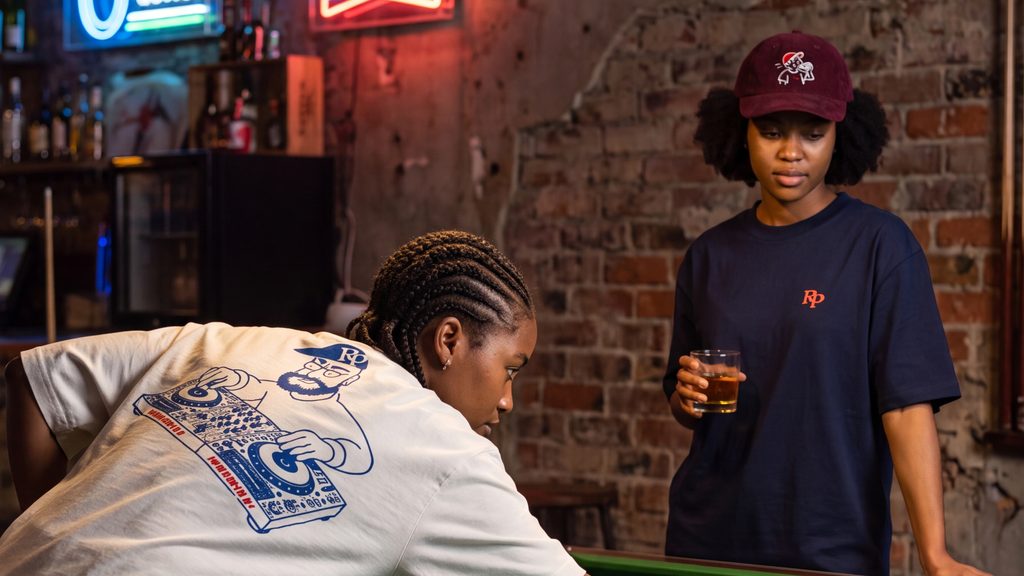
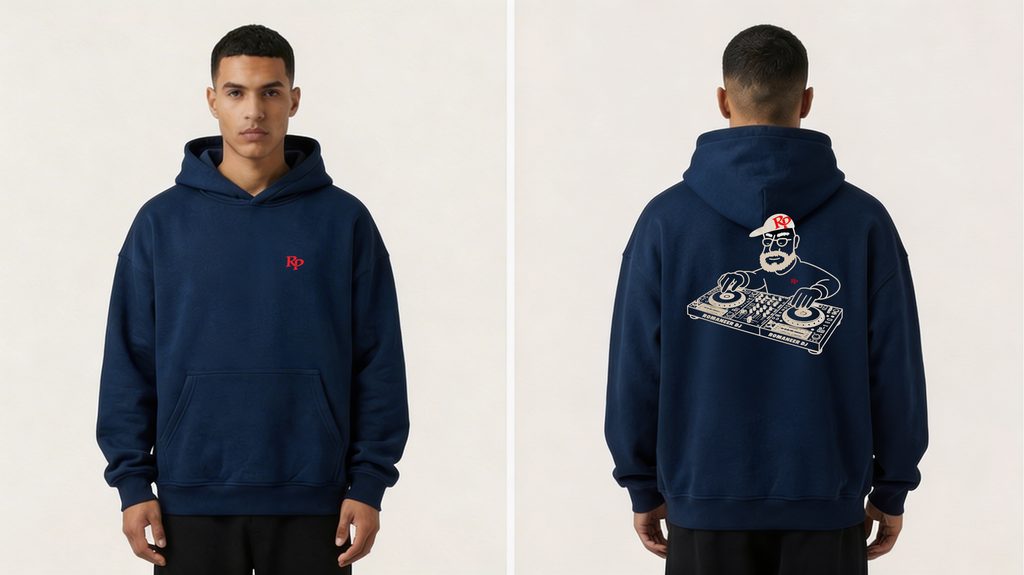
We pictured the young person who already knows Roman’s Pizza from school, varsity or Friday nights, and who cares how they look on the weekend. They wear oversized fits, they read a back print from across the room, and they mix a statement tee with clean basics. That’s why the collection is unisex and cut oversized, sized S to XXL. It’s why the big artwork sits on the back with a small RP on the chest, and why we kept to three colours that go with anything: navy, white and burgundy.
6. How did you make the drop model feel South African?
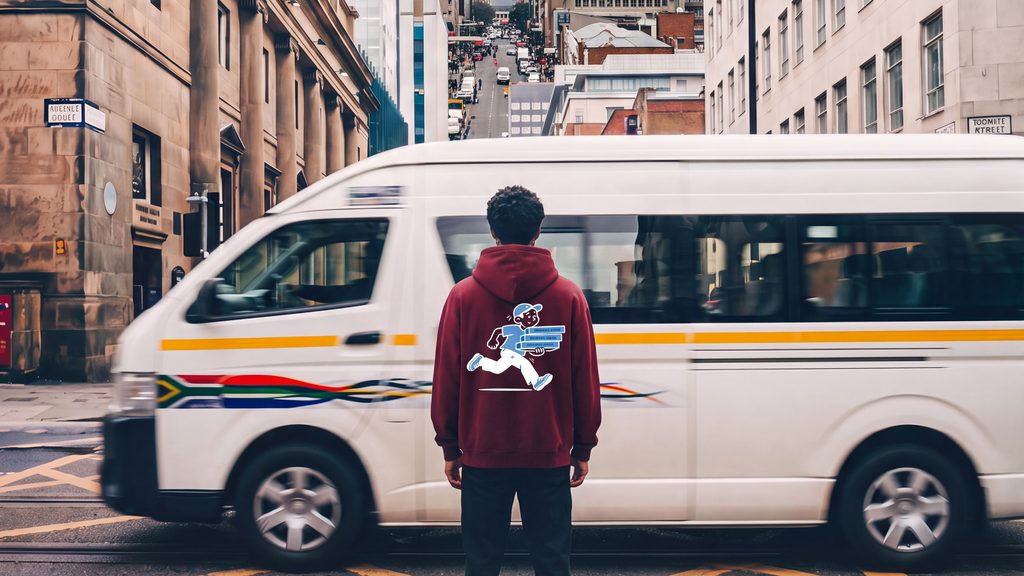
The drop model is global, so we made the content local. The characters are a delivery runner, a DJ on the decks, a crew stacking boxes, hands reaching for the last slice. Those are moments South Africans recognise. We shot the campaign in real places around Pretoria with real people. The pieces are made in Cape Town. We also kept the language and the tone ours: playful and a bit cheeky, the way Roman’s Pizza has always talked.
7. Why zero restocks, and how do you balance exclusivity with accessibility?
Each drop is one production run. When a style or size sells out, it’s gone. That gives every piece some value to the person who owns it, and it keeps us honest about making new things instead of repeating the same tee. We balance it in two ways. Pricing stays within reach of our audience, so limited doesn’t mean out of reach. And we tell people early: dates, sizes and the full collection go out before launch, so anyone who wants a piece has a fair shot at it.
8. What opportunities and challenges does a limited model bring?
The opportunity is focus. A small run means less stock risk, quicker learning, and every drop becomes a moment people talk about. The challenges are real, though. We’re a new name in fashion, so we have to earn attention before anything sells out. Sizing a run is hard without sales history. A single run also means cash goes out on production long before it comes back in. And we have to deliver on time every time, because one late parcel costs more trust in fashion than it does in food.
9. Why build local craftsmanship into the label, and what does the collaboration bring?
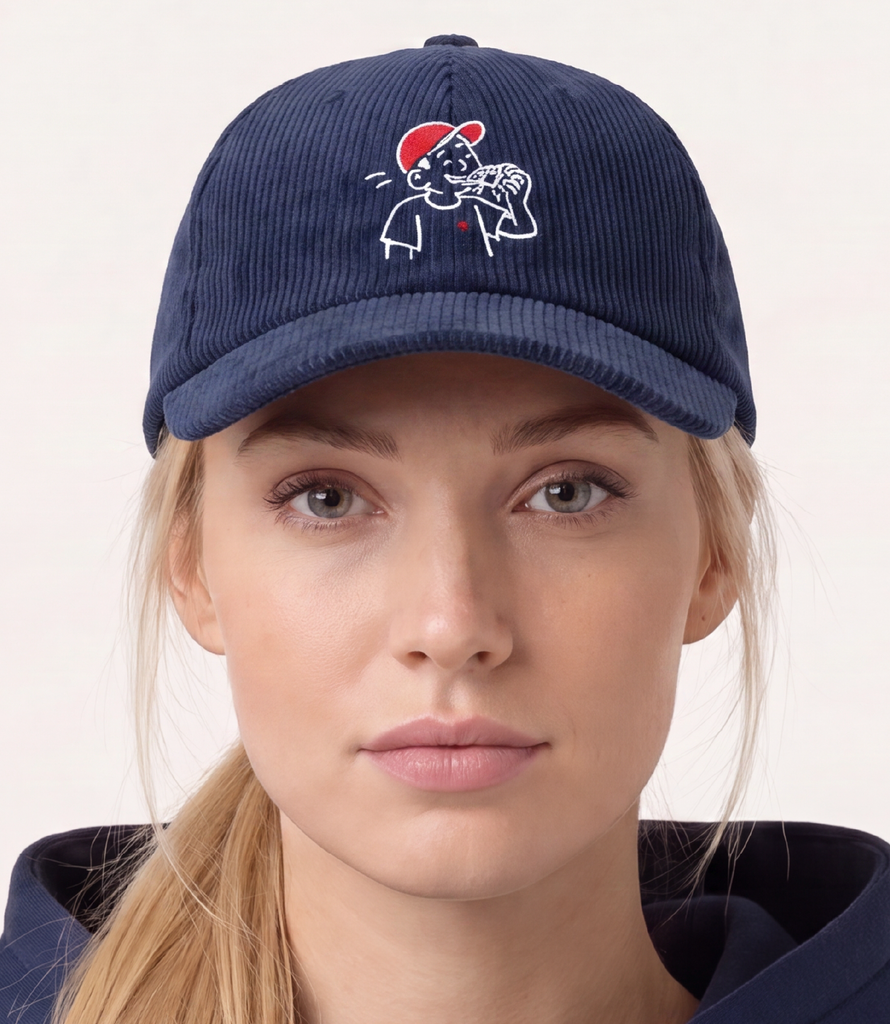
Control and a local story. Every RP Knead tee and hoodie is made in Cape Town by Soli. That mattered to us for two reasons. We wanted to support South African production. We also wanted to stand in front of the garments and check them ourselves, from the fabric weight to the print. Working closely with Soli meant we could adjust fits, test prints and fix things fast. The caps are made in France, and we say so.
10. How did you approach materials and quality?
Custom cut, dye and printing. We started with weight. Tees are 240gsm and hoodies 260gsm, heavier than standard merch blanks, so they hang properly and hold their shape after washing. We cut them oversized and boxy, which is how our audience wears their tees. The prints were simplified until they read clearly from a distance, then sized up for the back. If a piece wouldn’t stand next to the labels our customers already buy, it didn’t go into the drop.
11. As Head of Studio, what was the hardest part, and what decisions shaped Drop 001?
The hardest part was making it feel like a label and not restaurant merch. That meant saying no to the obvious: no pizza puns on the chest, no menu logos, no giveaway quality. The decisions that shaped Drop 001 came from that. We put a small RP monogram on the front and saved the full story for the back. We built five characters from Roman’s moments: the Romaneer DJ, the Running Man, Stack A Friend, Hands of the Slice and Chow Down. We held the palette to navy, white and burgundy. And we shot the campaign on real streets with real people, so it looks like something you’d actually wear out.
12. What’s the long-term vision?
We’d like RP Knead to earn a place in South African streetwear in its own right, while keeping Roman’s Pizza in its roots. That means regular drops on a rhythm people can follow, collaborations with local artists, musicians and photographers, and growing a community around the label beyond our customer base. Roman’s Pizza gives us something most new labels don’t have: stores and a following across the country. The aim is for people to buy RP Knead because they like the clothes, and the pizza connection becomes the story behind it.