
From Savings to Real Estate Empire: The Bold Path Percy Singo Carved with Pure Capital
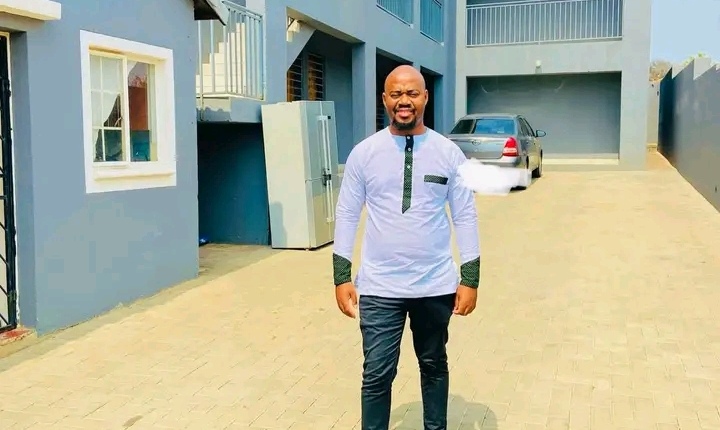
From Savings to Real Estate Empire: The Bold Path Percy Singo Carved with Pure Capital. Percy Singo’s story is not one of instant luck or viral fame. It is a disciplined journey built on saving, risk, and reinvestment. In his own words, he began one project with R 720 000 in savings, took on R 400 000 in debt, and completed the venture at a total cost of R 1 120 000. This blend of personal capital, selective borrowing, and strategic execution has shaped every milestone in his path.
As he says, by August 2023 he had repaid R 350 000 of the bank debt, and later settled outstanding personal debt while redirecting gains into new ventures including property. His portfolio of 2-bedroom units and bachelor flats is fully tenanted. His philosophy? Use savings when possible, deploy debt when advantageous, and always reinvest proceeds.
The Foundation: Saving, Risk, and Self Reliance
One of Percy’s striking claims is that over time he saved more than R 2 000 000 in raw capital, and that much of his investment came from this reservoir, not external funding. He says: “I injected R 1 070 000 of raw money into one project just to ensure control, ownership and flexibility.” That resolve signals a foundational strategy: control your capital, minimize dilution, and build from your own base.
His background as an engineer and his public profile confirm he speaks frequently about turning a salary into a multi-million rand portfolio.
This approach gives insight: many entrepreneurs rush to raise funds, but Percy’s model reverses that, build wealth first, then scale.
Lesson 1: Prioritize accumulation of capital first, even if it means slower growth. With strong reserves, you can act decisively when opportunities appear.
Strategic Leverage: Borrowing Wisely
Percy doesn’t reject debt outright, he embraces “good, well-managed debt”. In his project example, he combined R 720 000 savings with R 400 000 debt. That 36 percent financing allowed him to magnify his scale without giving up control.
He paid off R 350 000 of that debt in months and strategically delayed settling the remaining R 50 000 personal loan to allocate funds toward pressing obligations like vehicle clearance. He doesn’t see debt as a failure, it’s a tool.
Lesson 2: Use debt as a lever, not a crutch. Borrow only when the return can safely exceed interest cost and when you know you can service it.
Milestones: From Project to Portfolio
2020: A Cash Project
Percy recounts that in 2020 he undertook a project for R 804 000 in cash, again, using his own resources to prove that he could deliver from pure capital.
2022: Big Leap with Debt
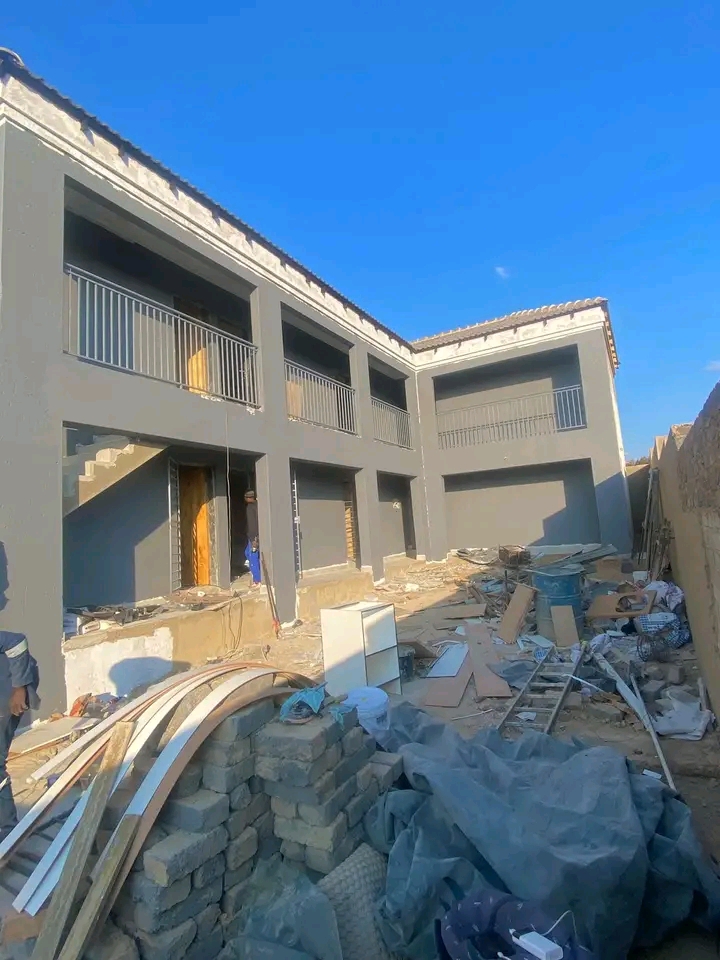
In August 2022, he launched a major project combining savings and debt to reach R 1 120 000 in capital input. That marked a turning point: from smaller investments to larger, higher-risk, higher-reward projects.
2023-2024: Repayment, Reallocation & Growth
By late 2023, Percy had repaid the bulk of his bank debt, freeing up his cash flow. He then used profits to service personal obligations and reinvest into property. His units remain fully occupied, giving him stable recurring income.
He notes that, in some phases, his bank balance dropped to R 20 000 but he was undeterred, because his capital was already deployed, generating value.
Challenges and Trade-offs
Percy is candid about tensions in his model:
- Illiquidity: Deploying capital into property means less cash on hand. At times he acknowledged having little liquid balance.
- Opportunity cost: Choosing to invest savings rather than holding cash exposes you to risk if markets shift.
- Debt risk: A poorly managed debt is dangerous. Percy survives this by repaying aggressively and never overleveraging.
He also admits that many people doubt the saving path. He says: “Even if 90% of people can say this saving thing is lies, we have lived it and benefited from it.” That kind of conviction keeps him pushing forward, even when critics ask if it is “impossible.”
Strengths, Strategies and Competitive Edges
1. Discipline and Consistency
Percy’s ability to consistently save and reinvest over years is a rare discipline. Many projects stall for lack of follow-through. His story shows that compounding over time matters.
2. Self-funded credibility
Because he injects his own funds, he doesn’t rely on external investors or dilution. He retains control and decision autonomy.
3. Rent income as stabilizer
All his 2-bedroom and bachelor flats are occupied, giving stable cash flow that supports new investments or debt service.
4. Timing, not hype
He focuses on well thought-out investments rather than flashy trades. His property moves are more about long-term yield than short rupee gains.
Actionable Insights for Entrepreneurs
- Build a savings engine first – even small amounts compound.
- Use debt only when returns are predictable – avoid speculative borrowing.
- Reinvest profit into income-generating assets – so they support further growth.
- Accept low liquidity phases – sometimes your money must be tied up, but make sure it works.
- Maintain full occupancy or use assets fully – idle assets are wasted capital.
- Tell your story honestly – Percy’s transparency builds trust and reputation.
- Balance risk and control – maintain enough control so that you’re not hostage to external forces.
The Road Ahead: Vision with Roots
For Percy Singo, the road is far from over. With hundreds of thousands in invested capital and multiple real estate holdings, his next phase may include expanding into larger commercial projects or diversifying into different property types. But what sets him apart is his unshakeable grounding: every project is built on his own capital backbone first, then carefully leveraged for growth.
His story teaches that success is not always about external funding or instant scale, it can be built one disciplined decision at a time. Entrepreneurs reading his journey can absorb this: that slow, consistent accumulation matched with tactical borrowing can lead to enduring impact.